The 3 P.M. Crisis (and Why It's Not Your Fault)
Last Tuesday, I stood in front of my open fridge for a solid four minutes. Not looking for anything specific—just staring. You know how sometimes your brain just short-circuits? I had a deadline, a half-empty box of crackers, and absolutely zero desire to cook. So I ate the crackers. Then a handful of chocolate chips. Then I felt gross and annoyed at myself.
Sound familiar?
Here's the thing—I used to think this was a willpower problem. Like, if I were just more organized or more disciplined, I'd magically have a fridge full of prepped quinoa bowls and never touch a vending machine again. (Spoiler: that's a lie. A big, guilt-trippy lie.)
The real issue? I was setting myself up to fail. Expecting a gourmet home-cooked meal after a 10-hour day is like expecting a toddler to sit quietly through a three-hour opera. Not gonna happen.
So I stopped trying to be perfect and started getting practical. And honestly? That's when things actually changed.
The Grocery Aisle Revelation
I remember standing in the grocery store one Sunday, completely overwhelmed. I had a list. I had good intentions. And I still walked out with three frozen pizzas and a bag of clementines.
Not my finest moment.
But here's what I learned: the problem wasn't the pizza. The problem was that I hadn't bought anything that could become a meal fast. I had ingredients, sure—but they all required 30+ minutes of chopping, simmering, and paying attention. And after work? I don't have that kind of energy.
So I started buying what I call "assembly foods." Stuff that's already cooked or close to it—rotisserie chicken, pre-washed greens, canned beans, microwave rice pouches, frozen stir-fry veggies. Nothing fancy. Just building blocks.
And suddenly, dinner became a five-minute puzzle instead of a project.
The 10-Minute Rule That Changed Everything
Okay, so here's the deal: I gave myself one rule. If a meal takes longer than 10 minutes of active effort (not counting oven time or waiting), it's not happening on a weeknight. Period.
That meant saying goodbye to elaborate recipes with 15 ingredients. And hello to things like:
• Scrambled eggs with spinach and feta (7 minutes, tops)
• Canned tuna mixed with avocado and lemon, scooped up with crackers (4 minutes)
• Frozen edamame + microwave brown rice + soy sauce + a fried egg (8 minutes)
• Greek yogurt with honey, walnuts, and whatever fruit is about to go bad (2 minutes)
Not gonna lie—some of these felt a little sad at first. Like, is this really dinner? But then I realized: it's better than crackers and chocolate chips. And it actually keeps me full.
Plus, I started feeling less guilty. Which is its own kind of win.
What Actually Works (and What's a Total Waste of Money)
I've tried a lot of "busy person" meal hacks. Some are gold. Some are garbage. Here's my honest breakdown:
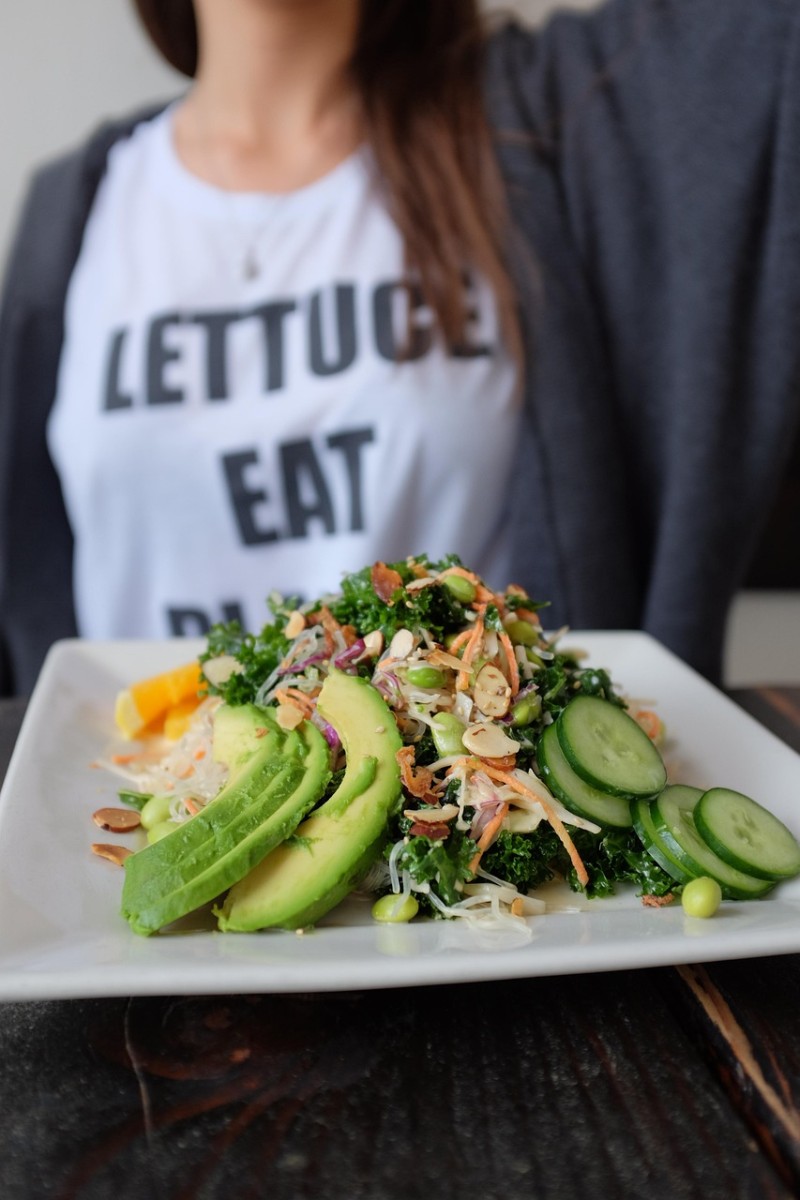
Works: Pre-chopped veggies (yes, they cost more—but you'll actually eat them), rotisserie chicken, frozen riced cauliflower, canned beans, microwave rice, pre-washed salad kits, and those little packets of tuna.
Doesn't work (for me, anyway): Meal delivery kits. I know people love them, but I always ended up with wilted herbs and a guilty conscience. Also: those giant containers of spinach that go slimy before I touch them. And any recipe that starts with "first, caramelize onions."
Make sense? It's not about being fancy. It's about being realistic.
The Leftover Glow-Up
Here's a trick I stole from a friend: whenever I cook something (even if it's just a big batch of rice), I immediately portion it into containers. Not later. Not after I eat. Immediately.
Why? Because later-me is lazy. Later-me wants to scroll Instagram, not scoop rice into Tupperware. But future-me (the one who's hungry at 12:30 p.m. the next day) is super grateful.
And the glow-up part? I add something fresh to leftovers. A squeeze of lemon. Some chopped herbs. A handful of cherry tomatoes. It takes 30 seconds and makes yesterday's dinner feel new again. (Weirdly effective.)
The Taste Test That Changed My Mind About Frozen Veggies
I used to turn my nose up at frozen vegetables. They seemed mushy and sad. But then I realized—I was cooking them wrong.
Plot twist: you don't have to boil them into oblivion. Toss frozen broccoli or green beans with a little oil and salt, roast them at 425°F for 15–20 minutes, and they come out crispy and actually delicious. Who knew?
Now I keep a few bags in the freezer at all times. They're my safety net. My "oh no, I forgot to buy fresh stuff" savior.
And honestly? They've saved me from ordering takeout more times than I can count.
The Unexpected Lesson About Hunger
I used to think I was hungry all the time. Turns out, I was just bored, stressed, or thirsty. (Revolutionary, I know.)
But here's the thing—when I started eating meals with actual protein and fiber, I stopped getting that shaky, ravenous feeling at 4 p.m. I stopped raiding the office snack drawer. I stopped feeling like I needed a second lunch.
That said, I'm not perfect. Some days I still eat cereal for dinner. Some days I forget to buy groceries and end up with a very sad plate of toast. And that's fine. Because the goal isn't perfection—it's progress.
You with me?
Your New Normal (No Perfection Required)
So here's where I've landed: healthy meals for busy people aren't about spending hours in the kitchen or having a Pinterest-perfect fridge. They're about making the easy choice the default choice.
Keep assembly foods on hand. Stick to the 10-minute rule. Embrace leftovers. And for the love of everything, don't beat yourself up if you eat crackers for dinner every once in a while.
You're doing fine. Seriously.
Now go buy some rotisserie chicken and call it a win.