The Tuesday That Almost Broke Me
Last Tuesday, I almost made a huge mistake. I was standing in the doorway of my local gym, clutching a brand-new water bottle and a workout plan I'd printed off the internet at 2 a.m. the night before. My heart was pounding. Not from excitement—from pure, unadulterated fear. The free-weights section loomed ahead like a medieval dungeon, and I was pretty sure every single person in there was silently judging my leggings.
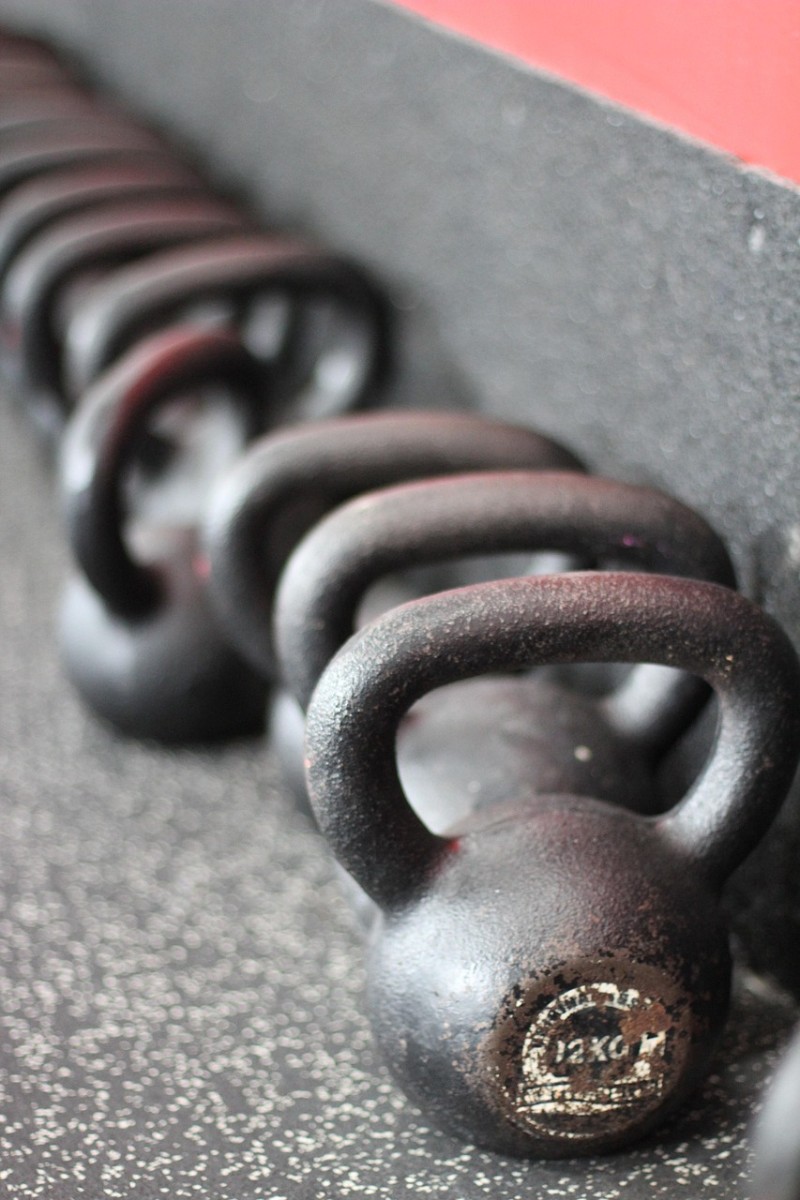
I'll be honest, I was skeptical. Skeptical that a place so full of grunting and clanking metal could ever feel like it belonged to me. I'd spent years doing yoga videos in my living room and calling it a day. But a friend—let's call her Maya—had dragged me here with a promise: 'Just one session. If you hate it, I'll never mention it again.'
That was three months ago. Now? I'm the woman who deadlifts before breakfast. But getting here wasn't a straight line. It was a messy, sometimes embarrassing, and wildly educational journey. And if you're a woman who's ever felt like the gym wasn't built for her, this story is for you.
The Weight Room Stare-Down
Maya led me past the treadmills and the elliptical machines—the 'safe zone,' as I'd always thought of it—and straight toward the squat racks. I remember whispering, 'Are you sure? Isn't this where the guys with protein shakes hang out?' She just laughed. 'They're not going to bite. They're too busy checking their own form in the mirror.'
She was right. Well, sort of. A few guys glanced up, but it was more curiosity than territorial. I grabbed a pair of five-pound dumbbells, feeling ridiculous. A woman next to me—maybe fifty, with arms that could probably bench me—smiled and said, 'Starting light is smart. Ego lifting is how you get hurt.' That tiny bit of encouragement? It changed everything.
Here's the thing about the weight room: it's intimidating because we've been told it's not for us. But the women who are there? They're not gatekeepers. They're allies. Speaking of which, I met a woman named Janet who's been lifting for twenty years. She told me, 'I wish someone had told me at thirty what I know now. Strength training isn't about getting bulky. It's about getting capable.'
The Myth of the 'Toned' Body
That reminds me of a conversation I had with a trainer named Rachel. I'd asked her how to 'tone up' without getting 'too bulky.' She sighed—kindly, but definitely a sigh. 'Toning is just building muscle and losing fat. There's no magic exercise. And bulky? You don't have the testosterone for that. Trust me.'
Sound familiar? We've all been sold this idea that women should lift tiny pink dumbbells and do endless reps to 'sculpt' rather than 'build.' But here's what I learned: lifting heavier—progressively heavier—is what changes your body composition. It also changes your mindset. I stopped worrying about the number on the scale and started caring about how many pull-ups I could do. (Currently: two. Working on three.)
So what does a real gym workout for women look like? It's not a special, watered-down version of what men do. It's the same fundamental movements—squat, hinge, push, pull, carry—scaled to your ability. That's it. No pink dumbbells required.
That Awkward Moment at the Squat Rack
Plot twist: I almost quit during week three. I'd finally worked up the courage to use the squat rack without Maya. I loaded the bar with ten-pound plates, stepped under it, and… completely forgot how to unrack it. I stood there, frozen, the bar digging into my shoulders, while a guy waited patiently behind me. I wanted to vanish.
But wait—he didn't sigh or roll his eyes. He just asked, 'Need a spot?' I nodded. He helped me unrack, gave me a quick tip about foot placement, and then went back to his own workout. No judgment. No lecture. Just a guy who knew that everyone starts somewhere.
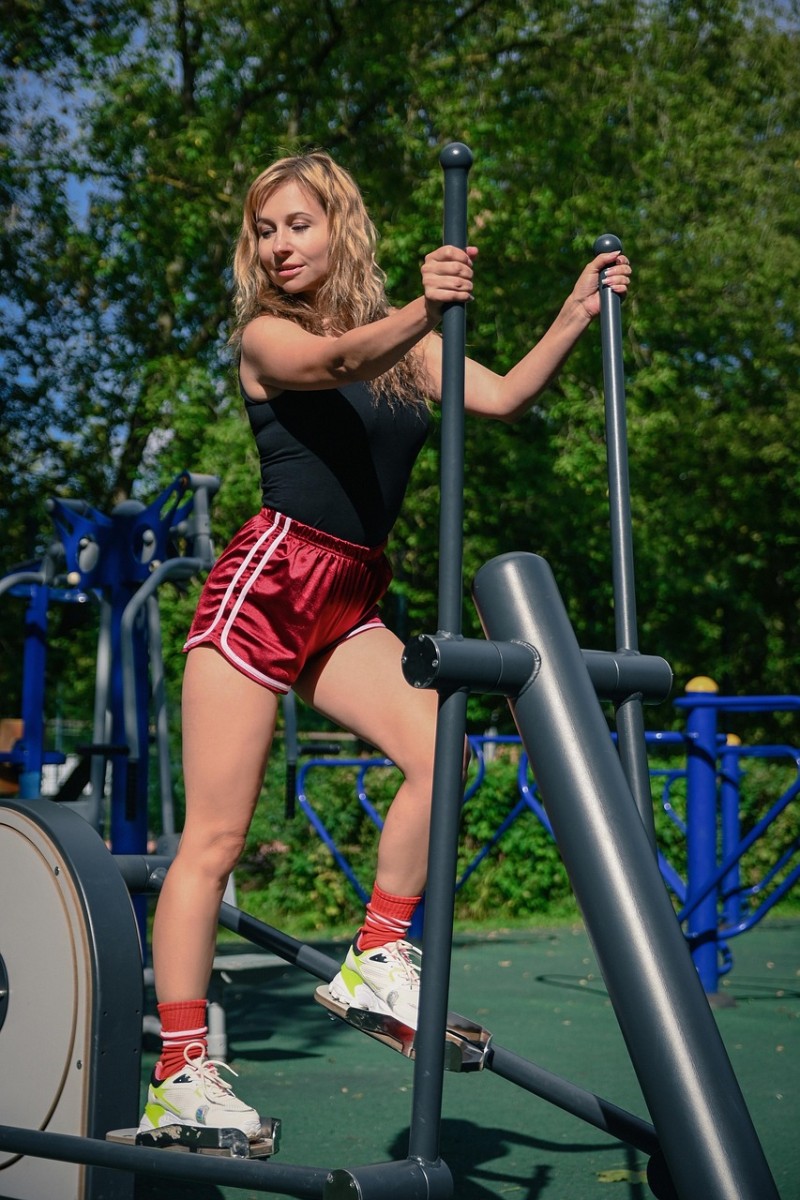
Here's where it gets interesting: the fear of looking foolish is universal. Even the most jacked person in the gym had a first day. They've all forgotten how to use a machine or dropped a dumbbell on their foot. The gym is a humbling place—and that's actually the point. You're not there to perform. You're there to practice.
The Cardio Queen's Rebellion
For years, I was a cardio queen. Treadmill, elliptical, stair climber—if it made me sweat and gasp, I was on it. And you know what? I was still tired all the time. My joints ached. My posture was terrible. I thought I was 'healthy' because I could run three miles, but I couldn't carry a heavy box up the stairs without getting winded.
That's when Rachel (the trainer) introduced me to the concept of 'functional strength.' She said, 'Cardio is great for your heart. But strength training is what keeps you independent as you age. It builds bone density, improves balance, and makes everyday life easier.' She wasn't wrong. After two months of lifting twice a week, I could carry all my groceries in one trip. I could open stubborn jars. I could push a heavy door without bracing myself.
Make sense? The gym workout for women that actually works isn't about burning calories. It's about building a body that serves you—not just looks good in a photo.
What Actually Works (and What Doesn't)
Let's cut through the noise. Here's what I've seen work, both for myself and for the women I've met in the gym:
| Scenario | What Works | What Doesn't |
|---|---|---|
| You want to feel stronger | Progressive overload: adding weight or reps over time | Doing the same routine for months |
| You're short on time | Compound lifts (squats, deadlifts, rows) 2–3 times a week | Hour-long cardio sessions that leave you exhausted |
| You're intimidated by the weight room | Hiring a trainer for 2–3 sessions to learn form | Watching endless YouTube videos without practicing |
| You want to see changes | Consistency over intensity—showing up even when you don't feel like it | Going all-out for two weeks, then burning out |
Here's the thing: there's no magic workout. The best gym workout for women is the one you'll actually do. For me, that means three strength sessions a week and a couple of long walks. For you, it might be two sessions and a dance class. Doesn't matter. What matters is that you're moving.
The Unexpected Lesson About Rest
I used to think rest days were for lazy people. If I wasn't sore, I wasn't working hard enough. That mindset lasted about six weeks before I hit a wall. I was exhausted, irritable, and my lifts were getting worse, not better. Janet—the wise weight-room veteran—set me straight. 'Muscles grow when you rest, not when you lift. You're tearing them down in the gym. They rebuild on the couch.'
So I started taking rest seriously. Two full rest days a week. Better sleep. More protein. And guess what? My deadlift went up by twenty pounds in a month. My mood improved. I stopped dreading workouts because I wasn't constantly running on empty.
That's the part nobody tells you: rest is part of the workout. It's not slacking. It's strategy.
Your First Week, Simplified
If you're standing where I was three months ago—scared, skeptical, and clutching a water bottle—here's my advice. Start with two sessions. Learn three movements: a squat, a push (like a dumbbell press), and a pull (like a row). Do them with light weights until you feel confident. Then add a little weight each week. That's it. No fancy plan. No 90-minute routines. Just show up, practice, and go home.
And if someone judges you? They're not worth your energy. The women who've been there longest are usually the kindest. They remember their first day. They'll help you if you ask.
I'll leave you with this: the gym isn't a place you earn the right to enter. It's a place you show up to, imperfectly, and keep showing up. That's the whole secret. The rest is just details.