Why Most Smoothies Are Secretly Desserts
After 10 years counseling clients on nutrition, I can tell you the smoothie is the most misunderstood item in the health food world. Walk into any juice bar and you'll find a 24-ounce cup packing 60 grams of sugar and 500 calories. That's not a health drink. That's a milkshake wearing a yoga mat.
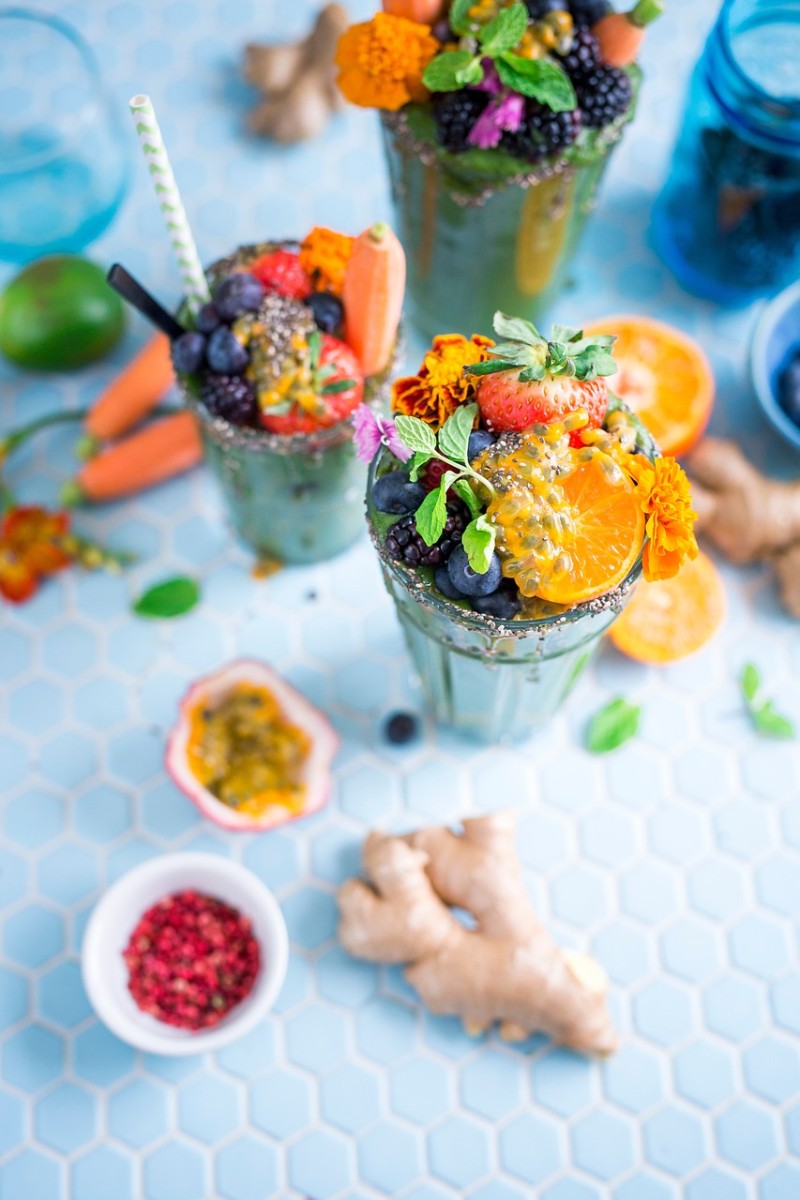
I remember when a client—let's call her Dana—came to me frustrated. She'd been drinking a "green" smoothie every morning for three months and gained eight pounds. I looked at her recipe: banana, mango, apple juice, honey, and a tiny handful of spinach. She was basically drinking a fruit salad through a straw and wondering why her blood sugar was on a rollercoaster.
Sound familiar? You're not alone. Here's the thing—smoothies can be incredible tools for health. But only if you build them right.
The Liquid Calories Problem Nobody Talks About
Your brain is terrible at counting liquid calories. I'm not 100% sure why the satiety signals are weaker for drinks than solid food, but from what I've seen in practice, it's pretty consistent. Drink 400 calories and you'll be hungry in 90 minutes. Eat 400 calories and you're good for hours.
So what does that mean for your smoothie? It means every ingredient needs to earn its place. No filler. No empty calories. No "just a splash" of anything that doesn't serve your body.
Speaking of which, let me share a quick shortcut I use with clients. Before you blend anything, ask yourself: does this have protein, fiber, and healthy fat? If the answer is no to any of those, you're drinking a snack, not a meal. And a snack that doesn't keep you full is just expensive water with sugar.
Building a Smoothie That Keeps You Full
Here's my formula after years of trial and error. It's not fancy, but it works.
Start with a liquid base. Unsweetened almond milk, coconut milk (the carton kind, not the canned stuff), or plain water. Skip the juice. I know it tastes good, but juice is basically fruit with the fiber stripped out—and fiber is the whole point.
Add protein. This is non-negotiable. Greek yogurt, cottage cheese, protein powder, or even silken tofu. You want at least 20 grams. Honestly, most people undereat protein at breakfast and then wonder why they're starving by 10 a.m.
Include healthy fat. A tablespoon of almond butter, chia seeds, flax seeds, or half an avocado. Fat slows digestion and keeps your blood sugar stable. That's the difference between a smoothie that fuels you and one that crashes you.
Load up on fiber. Frozen cauliflower rice (trust me, you can't taste it), spinach, kale, or berries. Fiber feeds your gut bacteria and keeps things moving. Make sense?
Add flavor, not sugar. Cinnamon, vanilla extract, unsweetened cocoa powder, fresh ginger. These give you taste without the blood sugar spike.
Protein Powder: What I Actually Recommend
Now here's where people get overwhelmed. The protein powder aisle is a mess of claims, certifications, and marketing nonsense.
I'll be honest—I don't think you need protein powder. If you can hit your protein target with real food, great. But for a lot of people, powder is a convenient shortcut. And convenience matters.
If you're going to buy one, look for third-party testing. NSF Certified for Sport or Informed Choice are the labels I trust. They verify that what's on the label is actually in the tub—and that there's nothing sketchy hiding in there. I've seen too many clients react badly to cheap powders with fillers and artificial sweeteners.
Whey is fine for most people. Plant-based blends work if you're dairy-free, though they tend to be grittier. And here's a tip—unflavored powder is way more versatile. You can add it to anything without your smoothie tasting like fake vanilla for the rest of eternity.
The Fiber Fix (And Why Blending Isn't Cheating)
Plot twist: blending doesn't destroy fiber. I hear this myth constantly, and it drives me nuts. Yes, blending breaks down cell walls. But your teeth do the same thing. The fiber is still there. Your gut bacteria don't care whether the fiber arrived whole or in smaller pieces.
That said, don't over-blend. If you're running the blender for five minutes until your smoothie is basically juice, you're probably losing some of the textural benefit. Thirty to sixty seconds is plenty. Your smoothie should be thick enough to eat with a spoon—or at least drink slowly with a straw.
And here's something nobody tells you: smoothies are a fantastic way to sneak in vegetables you'd never eat otherwise. Frozen riced cauliflower? Neutral. Zucchini? Basically invisible. Cooked beets? Okay, those turn everything pink, but they're sweet and earthy. A friend of mine swears by frozen butternut squash—says it makes the smoothie taste like pie. I haven't tried it, but I'm intrigued.
Sugar: The Banana Trap
Bananas are the sneaky villain of the smoothie world. One large banana has about 17 grams of sugar. Two bananas and you've basically got dessert. I'm not saying bananas are evil—they've got potassium and fiber—but you need to be aware of what you're drinking.
Berries are your friend. Strawberries, blueberries, raspberries—they're low in sugar and high in antioxidants. Frozen berries work just as well as fresh and they're cheaper. That's a win in my book.
If you want sweetness without the sugar spike, try a date. Just one. They're sweet, they've got fiber, and they make the smoothie feel indulgent without turning it into a sugar bomb. Or use a few drops of liquid stevia if you're into that. I'm not a huge fan of the aftertaste, but some people swear by it.
Liquid vs. Solid: The Chewing Factor
Here's something I've noticed over the years—people who drink smoothies tend to eat more later in the day than people who eat solid food. I'm not sure if it's the lack of chewing or the faster consumption, but it's real.
So what's the fix? Make your smoothie thicker. Use less liquid. Add ice. Throw in a handful of oats or a spoonful of chia seeds. The more texture your smoothie has, the slower you'll drink it. And the slower you drink it, the more your body registers that you've actually eaten something.
Also, don't drink your smoothie in the car on the way to work. I know it's convenient. But if you can, sit down and drink it like you would a bowl of oatmeal. Your digestion will thank you.
Practical Shortcuts for Real Life
Here's the thing—nobody has time to chop vegetables and measure ingredients at 6 a.m. So here's what I tell my clients: prep your smoothie ingredients in freezer bags. Portion out the fruit, veggies, and seeds on Sunday. Then all you have to do in the morning is dump, blend, and go.
Another shortcut: use frozen everything. Frozen spinach, frozen berries, frozen cauliflower rice. It's cheaper, lasts longer, and blends smoother. Fresh is great if you've got it, but frozen is just as nutritious—sometimes more so, because it's frozen at peak ripeness.
And don't be afraid to make a double batch. Pour half into a mason jar and stick it in the fridge for tomorrow. It'll separate a bit, but a quick shake fixes that. I've been doing this for years and I'm still alive.
Final Thoughts
Healthy smoothies aren't complicated. They're just misunderstood. If you remember the formula—protein, fiber, healthy fat, no added sugar—you'll be fine. Keep it simple. Don't overthink it. And for the love of everything, skip the juice.