The Sunday Night Fridge Stare-Down
Last Sunday, I was standing in front of my fridge at 8:00 PM, staring at a wilted head of lettuce and a single string cheese. I was starving, grumpy, and about ten seconds away from ordering a massive pepperoni pizza with extra crust. You know how sometimes you have the best intentions to eat better, but then life happens and you end up eating cereal for dinner three nights in a row? Well, that was me. I felt like I was constantly failing at this whole adulting thing, especially when it came to eating right. It’s honestly exhausting to think about what to cook every single night after a long day at work.
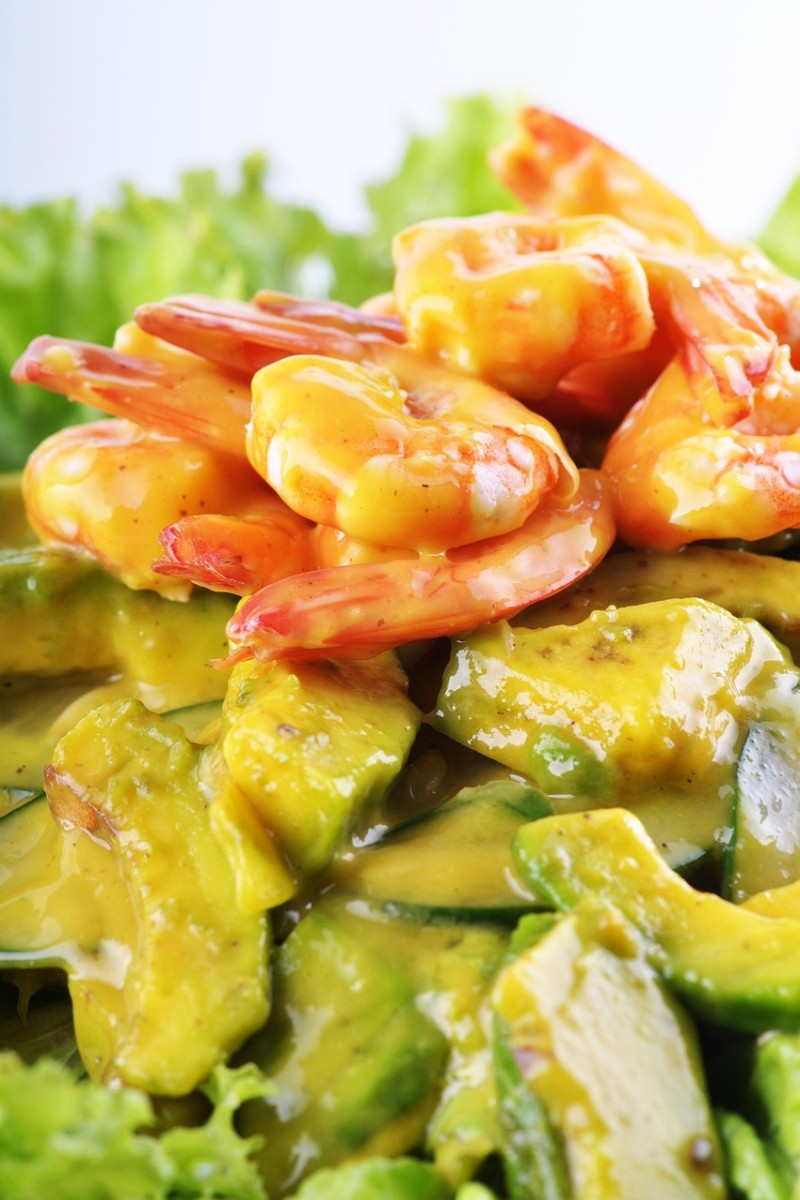
That’s when it hit me. I realized that my biggest hurdle wasn't a lack of willpower; it was a lack of a plan. Okay, so here's the deal: if we don't have something ready to go, we're going to pick the easiest, fastest, and usually most caloric option available. Healthy Weight Loss Tips That Actually Work">meal prep for weight loss isn't about being a gourmet chef or spending your entire weekend chopping vegetables until your hands cramp. It’s actually about being kind to your future self. It’s about making sure that when 'Tuesday You' is tired and stressed, there's a delicious, nutritious meal waiting in the fridge so you don't have to make any hard decisions.
I’m not gonna lie, I used to think meal prep was only for bodybuilders who ate plain chicken and broccoli out of plastic containers. It seemed so boring and restrictive. But after a few weeks of trial and error, I found a way to make it work for a normal person who actually likes flavor. It changed everything for me, and I bet it can do the same for you. So, grab a cup of coffee, and let’s talk about how to make this actually stick this time.
Why My First Attempt Was a Total Disaster
I remember when I first decided to take this seriously. I went to the store and bought every single vegetable I could find. I’m talking kale, Swiss chard, radishes—things I don't even like that much. I spent four hours on a Sunday afternoon roasting, steaming, and portioning everything into these perfect little containers I saw on Pinterest. By the time I was done, the kitchen looked like a disaster zone, and I was so sick of looking at food that I didn't even want to eat it. Sound familiar?
By Wednesday, half of the food had gone soggy, and I was bored out of my mind eating the same exact turkey wrap for the fourth day in a row. Actually, let me rephrase that: I was miserable. I ended up throwing away a bunch of food, which felt like throwing money straight into the trash. That’s the thing about healthy meal prep for weight loss—if you make it too complicated or too boring, you’re going to quit. It has to be sustainable, or it’s just another chore you’ll eventually avoid.
What I learned is that you don't need to prep twenty-one meals at once. That’s insane. Now, I usually just prep a few key components. I’ll roast a big tray of veggies and cook up a bunch of protein, like chicken or seasoned black beans. This way, I can mix and match during the week. It keeps things interesting and doesn't feel like I'm eating leftovers every single night. Plus, it takes way less time. Who has four hours to spend in the kitchen on a Sunday? Not me, and probably not you either.
The Grocery Aisle Revelation
A friend of mine once told me that the grocery store is where diets go to die, and honestly, she wasn't wrong. I used to wander the aisles aimlessly, picking up whatever looked good in the moment. Now, I have a system. Here's a quick breakdown of how I compare my old 'winging it' style to my new 'prepared' style:
| The "Winging It" Approach | The "Prepared" Approach |
|---|---|
| Buying 5 types of fruit that go bad in 3 days | Buying frozen berries for smoothies and apples for snacks |
| Grabbing expensive pre-made salads | Buying bags of spinach and pre-chopped cabbage mix |
| Browsing the snack aisle while hungry | Sticking to a list and buying nuts or Greek yogurt |
| Ordering takeout because there's "nothing to eat" | Keeping a "emergency" bag of frozen stir-fry veggies |
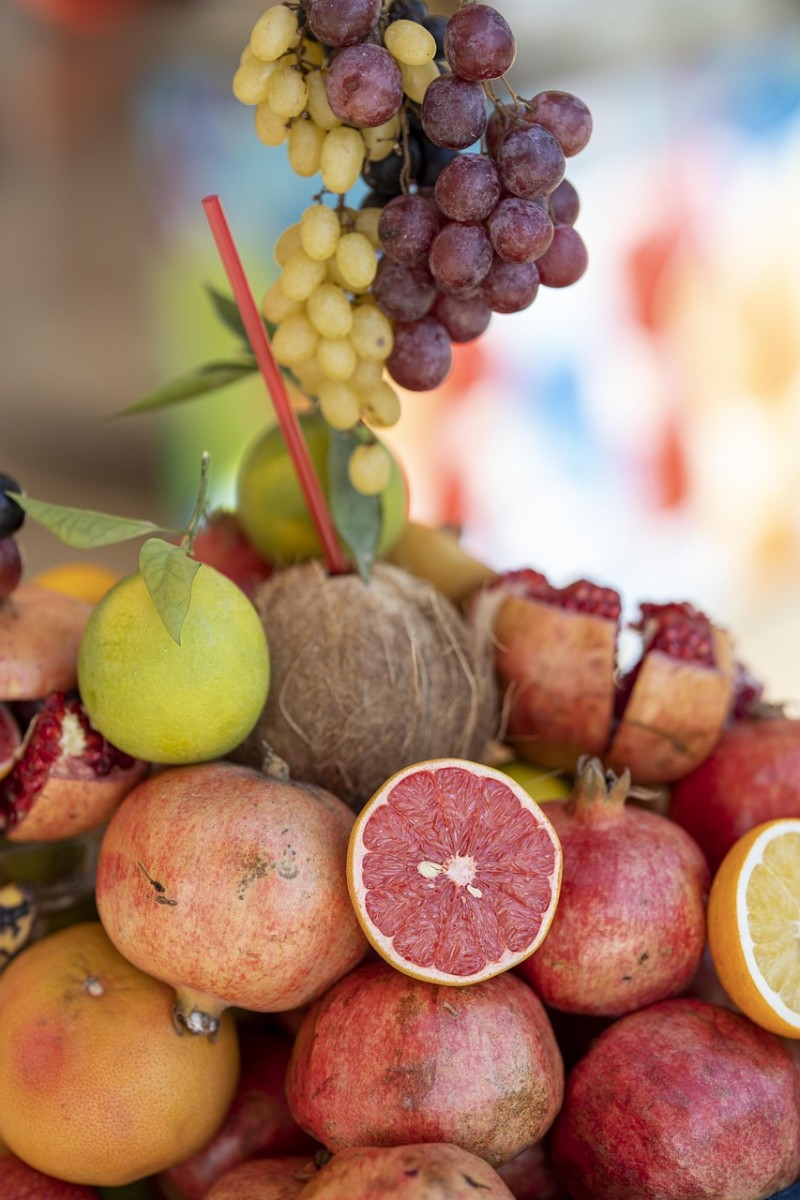
Basically, I stopped buying "aspirational" food. You know, the stuff you buy because you think you *should* eat it, but you know deep down you won't. I stopped buying whole pineapples because I realized I hate cutting them. Now, I buy the pre-cut stuff or just stick to grapes. It’s a little more expensive, sure, but it actually gets eaten. If you're trying to lose weight, the best food is the healthy food you actually put in your mouth, not the stuff that rots in the crisper drawer.
Speaking of which, have you ever noticed how much better you feel when you have a plan? When I go to the store with a list for my healthy meal prep for weight loss, I spend less money and I don't get distracted by the seasonal Oreo flavors. Well, most of the time. We’re human, after all. But having that list is like having a roadmap. You don't have to think; you just follow the steps.
The 3 P.M. Desk Crisis
We've all been there. It’s mid-afternoon, your energy is dipping, and suddenly that box of donuts in the breakroom is calling your name like a long-lost lover. This is the moment where meal prep really saves your life. If I don't have a healthy snack ready, I will 100% eat three donuts and then feel like garbage for the rest of the day. It’s not even about the calories at that point; it’s about the sugar crash that makes me want to nap under my desk.
Now, I keep a stash of "emergency snacks" in my bag or desk drawer. I'm talking about things like individual packs of almonds, beef jerky, or even just an orange. It sounds simple, but it’s a total game-changer. When that hunger hits, I have an answer for it. I’m not 100% sure why it took me so long to figure this out, but having a snack ready prevents me from making bad choices when my brain is foggy from hunger.
Think about it this way: your brain needs fuel to make good decisions. When you’re starving, your "lizard brain" takes over and wants high-calorie, high-sugar stuff immediately. By prepping small snacks as part of your healthy meal prep for weight loss routine, you’re basically keeping your lizard brain quiet. It’s much easier to stay on track when you aren't constantly fighting your own biology. Does that make sense? It really helped me stop the cycle of bingeing in the evenings because I hadn't eaten enough during the day.
What Actually Works (and What Doesn't)
So, here’s the thing. There are a million "rules" out there about what you should eat. But from what I've seen, the most successful people are the ones who find a rhythm that fits their actual life. For me, that means batch-cooking protein on Sundays and Wednesdays. I’ll bake a few chicken breasts or brown some ground turkey with taco seasoning. Then, I have a base for salads, bowls, or even just a quick wrap. It takes maybe thirty minutes of active work, but it saves me hours during the week.
Now here's where it gets interesting: you don't have to prep every single component. I’m a huge fan of using shortcuts. I buy the pre-washed salad greens. I buy the microwaveable pouches of brown rice. Is it slightly more expensive? Yes. Is it cheaper than ordering DoorDash because I’m too tired to boil water? Absolutely. Use the tools that make your life easier. Don't feel like you have to do everything from scratch to be "healthy."
Plot twist: some foods actually prep better than others. I’ve learned the hard way that sliced avocados turn brown and sad in about five minutes. And soggy pasta? No thanks. Stick to things that hold up well, like roasted sweet potatoes, quinoa, or hearty stews. If you’re just starting out with healthy meal prep for weight loss, start with one meal. Maybe just prep your lunches for the week. Once you get the hang of that, you can add in breakfast or dinner. Don't try to change your whole life in one weekend. You’ll just burn out, and we don't want that.
The Unexpected Lesson About Hunger
The biggest thing I’ve learned through all of this isn't actually about the food itself. It’s about how I view hunger. I used to be afraid of being hungry. I thought it meant I was failing or that I had to eat something immediately. But when I started prepping my meals, I realized that hunger isn't an emergency. It’s just a signal. And because I had my healthy meal prep for weight loss ready to go, I knew that a good meal was coming soon. I didn't have to panic-eat the first thing I saw.
It’s kind of a relief, honestly. There's a certain peace of mind that comes with knowing your fridge is stocked with food that makes you feel good. You stop obsessing over your next meal because you already know what it is. It frees up so much mental space! You can focus on your work, your hobbies, or just relaxing at the end of the day. It’s pretty much the ultimate form of self-care, even if it feels like a chore at first.
That said, don't be too hard on yourself if you have a week where you don't prep anything. Life happens. Sometimes you have a crazy week at work or you just need a break. That’s okay! Just pick it back up the next week. The goal isn't perfection; it’s consistency. You’re doing this for you, and you deserve to feel your best. So, give it a shot this Sunday. Just one meal. Your "Future You" will definitely thank you for it. You’ve got this!