The 3 A.M. Wake-Up Call
Last Tuesday, I almost made a huge mistake. I was standing in my kitchen at 3 a.m., spoon in hand, staring down a pint of chocolate chip ice cream. Not a small bowl. The whole pint. And I remember thinking, How did I get here?
I'll be honest, I was skeptical about the whole 'meal plan' thing. I'd tried apps, I'd tried counting points, I'd tried that grapefruit diet my aunt swore by in 1998. Nothing stuck. But that night, something clicked. I didn't eat the ice cream. I put it back. And I decided to give myself seven days—just seven—to eat like a person who actually cared about her body.
Here's what happened.
The Grocery Aisle Revelation
Sunday morning, I walked into the supermarket with a list. Not a vague idea. A real, written-down list. And I noticed something weird: I was shopping the perimeter. Produce. Meat counter. Dairy. The aisles with chips and cookies? I skipped them entirely. Not because I was being virtuous—because I didn't need anything there.
That was the first lesson. A 7 day healthy meal plan for weight loss isn't about deprivation. It's about having a plan so you don't wander into the snack aisle at 6 p.m. with no dinner and zero willpower.
I bought: eggs, Greek yogurt, spinach, chicken breasts, salmon, sweet potatoes, broccoli, berries, almonds, olive oil, and lemons. Total? About $62. Less than I usually spend on takeout in three days.
Days 1–2: The Sugar Detox Shakes
Monday morning, I had scrambled eggs with spinach and a coffee. No sugar. By 10 a.m., I felt fine. By 2 p.m., I felt like I'd been hit by a truck.
I'm not exaggerating. My head throbbed. I was irritable. I snapped at my coworker for chewing too loudly. (Sorry, Dave.) I later learned this is pretty common when you cut out processed sugar and refined carbs cold turkey. Your body throws a little tantrum.
Day 2 was better. I drank more water—like, actually tracked it—and added a handful of almonds as a mid-morning snack. The headache faded by lunch. Speaking of which: lunch was leftover chicken and roasted sweet potatoes. Not exciting, but filling. And that mattered more than I expected.
The 3 P.M. Crisis
Every afternoon, like clockwork, I used to hit a wall. My energy dipped. My brain fogged. I'd wander to the office kitchen and grab whatever was free—usually a cookie or a handful of pretzels. That's the 3 p.m. crisis, and it's real.
On Day 3, I pre-empted it. At 2:45, I had a small container of Greek yogurt with a few blueberries. Twenty minutes later, no crash. No fog. I actually finished my work without staring at the clock.
That reminds me—I used to think snacking was the enemy. It's not. Unplanned snacking is. Having a healthy snack ready at the exact moment you need it? That's a superpower.
Days 3–4: Finding My Rhythm
By Wednesday, something shifted. I woke up before my alarm. Not dramatically—just ten minutes early. But for someone who used to hit snooze four times, that felt like a miracle.
Breakfast was the same: eggs and spinach. Lunch was a big salad with grilled chicken, olive oil, and lemon. Dinner was salmon with broccoli. I'm not a chef. I'm not even a good cook. But I could manage those three meals without a recipe.
Here's the thing about a 7 day healthy meal plan for weight loss: it doesn't have to be fancy. It has to be repeatable. The fewer decisions you make, the better.
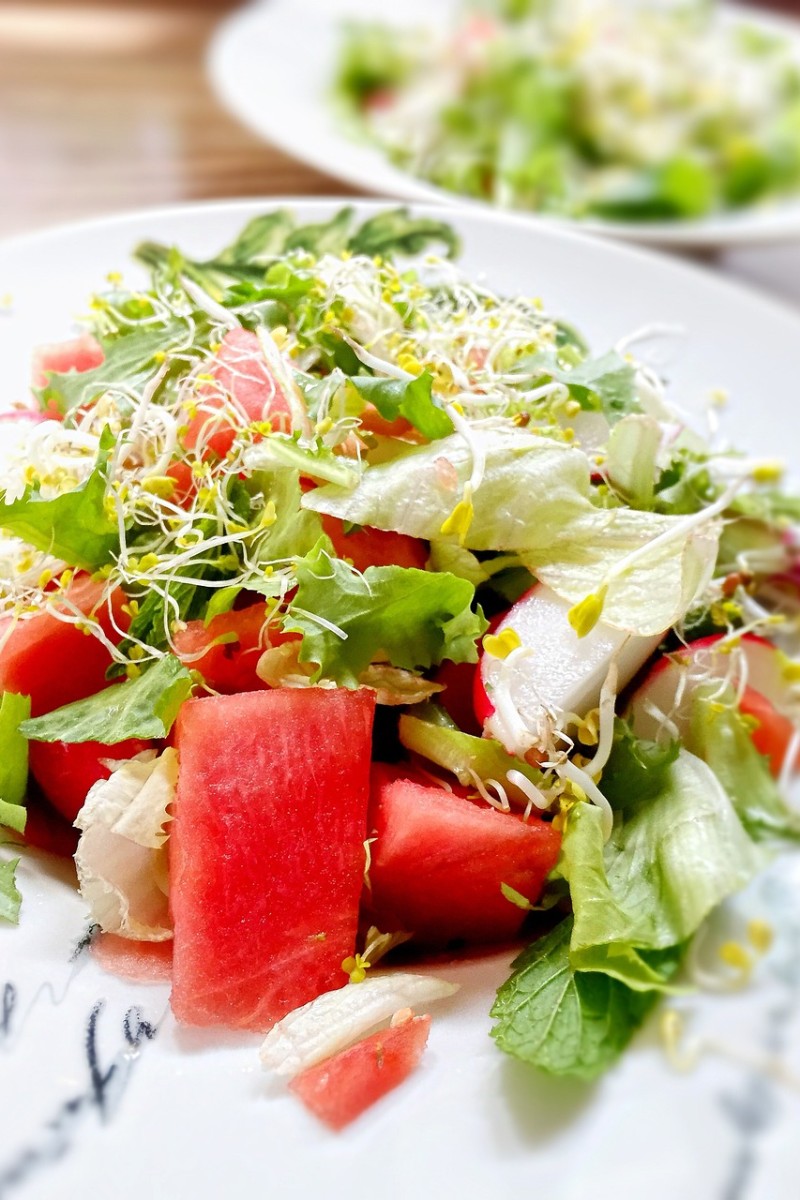
Day 4 brought a plot twist. I was invited to a friend's birthday dinner at a pizza place. I almost bailed. Instead, I ate a big salad before I went, then had two slices of pizza and a glass of water. No guilt. No spiral. I just got back on plan the next morning.
That's the part nobody tells you. One meal doesn't ruin a week. Quitting does.
The Taste Test That Changed Everything
Friday night, I made a stir-fry. Chicken, broccoli, bell peppers, a little soy sauce, and garlic. I tasted it and literally said out loud, 'Wait. This is good.'
I know how that sounds. But for years, I'd equated 'healthy' with 'bland.' I'd been wrong. The difference was fat and acid—olive oil and lemon juice. They made vegetables taste like food instead of punishment.
I'll be honest: I'm not 100% sure I would have discovered that without the plan. The plan forced me to cook. Cooking forced me to taste. Tasting changed my mind.
Days 5–7: Cruise Control (Almost)
Saturday, I meal-prepped for the week ahead. Grilled chicken, roasted vegetables, a big pot of lentil soup. It took two hours. But it meant that Sunday, Monday, and Tuesday were already handled.
Sunday, I weighed myself. Down 2.4 pounds. Not dramatic. Not a miracle. But real. And I felt lighter—not just physically, but mentally. I wasn't obsessing over food. I was just eating it.
By Day 7, I realized something: I hadn't thought about the ice cream once. Not because I was being 'good.' Because I wasn't hungry for it. The plan had done its job.
What Actually Works (and What Doesn't)
Here's a quick-reference breakdown of what I learned during my 7 day healthy meal plan for weight loss—the good, the bad, and the 'never again.'
| What Worked | What Didn't |
|---|---|
| Prepping snacks for the 3 p.m. slump | Relying on willpower alone |
| Repeating breakfast and lunch | Trying new recipes every single day |
| Eating a snack before social events | Skipping meals to 'save calories' |
| Drinking water throughout the day | Waiting until I felt thirsty |
| Allowing one flexible meal | Being rigid and then bingeing |
Sound familiar? Yeah. Me too.
The Unexpected Lesson About Hunger
I used to think hunger was a problem to solve. A signal to eat something—anything—immediately. But by Day 7, I noticed hunger was just... information. It came. It went. It didn't control me.
That's the real takeaway. A 7 day healthy meal plan for weight loss isn't about the seven days. It's about what you learn in them. You learn you can survive a sugar detox. You learn that prepping snacks takes ten minutes. You learn that one pizza dinner doesn't matter.
And you learn that the ice cream in your freezer isn't the enemy. The lack of a plan is.
So here's my challenge to you: give yourself seven days. Just seven. Write a list. Shop the perimeter. Prep your snacks. And see what happens.
You might just surprise yourself.