The Lazy Person's Trick

I was skeptical about this until I tried it: buy pre-chopped veggies. Yes, it costs a bit more, but if it means you'll actually eat them instead of letting a whole head of broccoli rot in the crisper, it's worth every penny. This one's a game-changer for anyone who claims they 'don't have time' to prep. Honestly, you don't need to be a sous-chef to meal prep for weight loss. Grab a bag of washed spinach, some cherry tomatoes, and pre-cut peppers. Boom—half your prep is done. And no, you're not cheating. You're being efficient.
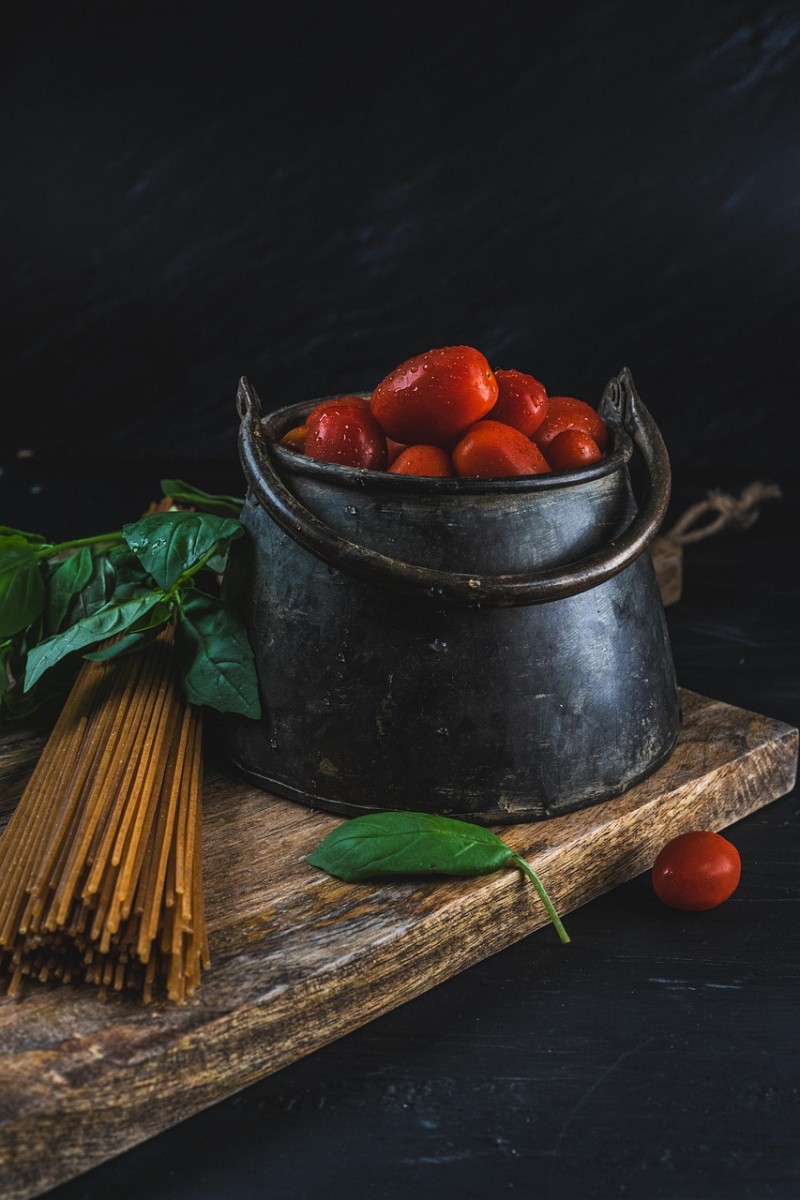
Meal Prep for Weight Loss - 10 Meal Prep for Weight Loss Tips That Actually Work (Illustration 1)

Portion Control Without the Math

Ever eyeballed a 'serving' of pasta and ended up with a mountain? Same. Here's the fix: use smaller containers. Seriously, it's that simple. When you prep meals in 2-cup containers instead of giant Tupperware, you're automatically limiting portions without measuring a thing. I remember when I first switched to smaller containers—I thought I'd starve. Plot twist: I didn't. I actually felt satisfied and stopped overeating. Pair this with a food scale if you're really serious, but for most people, the container trick is enough. Make sense?

The 'Boring' Protein Rule

Pick one protein and cook it in bulk. Chicken breast, ground turkey, tofu—whatever floats your boat. Season it differently throughout the week so you don't get bored. For example, Monday: taco seasoning. Tuesday: Italian herbs. Wednesday: curry powder. This saves you from cooking five different meals and keeps things interesting. A friend of mine does this with chicken and swears it's the reason she lost 20 pounds. She's not wrong—protein keeps you full, and having it ready means you won't order takeout. Warning: this might sound crazy, but I actually look forward to my 'boring' chicken now because it's so darn convenient.

Prep Once, Eat Twice (or Thrice)

Cook once, eat multiple times. That's the mantra. Double your recipes and portion them out. Chili, stews, and casseroles are perfect for this. You'll save time and money, and you won't be tempted to grab something quick and unhealthy when you're starving. I usually spend Sunday afternoon prepping two big meals that last me through Wednesday. Then I do a quick mid-week refresh. It's not glamorous, but it works. And honestly, who wants to cook every single day? Not me.

🔥 Special Offer — Don't Miss Out Today!

👉 Check Lowest Price & Deals →

The Snack Stash Strategy

Pre-portion your snacks. Buy a big bag of almonds, divide them into small baggies or containers, and grab one when you're hungry. This prevents mindless munching from the bag (we've all been there). Same goes for veggies and hummus, Greek yogurt, or fruit. I keep a drawer in my fridge dedicated to pre-portioned snacks. It's like a vending machine, but healthy and free. Well, sort of free—you paid for it already. But you get the idea.

Embrace the Sheet Pan Life

Sheet pan meals are a meal prepper's dream. Chop veggies and protein, toss with oil and spices, spread on a pan, and roast. Done. You can make a week's worth in under an hour. Plus, cleanup is a breeze. I make a mean sheet pan chicken and veggies that I portion out for lunches. It's not fancy, but it's delicious and fits my macros. And if you're like me and hate doing dishes, this is a lifesaver.

The Freezer Is Your Friend

Don't forget about freezing. Soups, stews, and even smoothie packs can be prepped and frozen. I make a big batch of lentil soup, freeze it in individual portions, and grab one when I need a quick lunch. It's like having a healthy fast-food option in your own kitchen. Plus, freezing prevents food waste, which saves money. Win-win.

Don't Be a Recipe Overachiever

You don't need to make gourmet meals. Simple is better. A protein, a carb, and a veggie—that's it. I used to think meal prep had to be Instagram-worthy, but then I realized I was spending more time prepping than eating. Now I stick to basics: grilled chicken, rice, and roasted broccoli. It's not pretty, but it's effective. And honestly, it tastes pretty good with a little hot sauce.

The 'Treat Yo' Self' Container

Include a small treat in your meal prep. A square of dark chocolate, a few berries, whatever satisfies your sweet tooth. This prevents you from feeling deprived and bingeing later. I always add a tiny container of dark chocolate chips to my lunch. It's my little reward for eating well. And no, it won't derail your weight loss—unless you eat the whole bag, which I don't recommend.

Hydration Hustle

Don't forget to prep your water. Fill a few water bottles and keep them in the fridge. Add lemon, cucumber, or mint if you're feeling fancy. Staying hydrated is key for weight loss, and having water ready makes it easier to drink. I aim for eight cups a day, and prepping bottles helps me hit that goal. Plus, it's a good excuse to take a break and stretch.

🎯 Exclusive Reader Discount Available Now!

✨ Visit Official Website for Special Deal →
✍️ Researched & Written By

Dr. Sarah Mitchell, MS, RD

Registered Dietitian (RD)MS in Clinical NutritionEvidence-Based Wellness

Dr. Sarah Mitchell is a senior clinical nutrition researcher specializing in metabolic health, longevity protocols, and preventive lifestyle medicine. She translates clinical trials into accessible, actionable guidance for millions of readers.

🛡️ Clinical Fact-Check: Medically reviewed by the HealthHub Medical Advisory Board.Learn more about our Editorial Standards & Review Process.

Frequently Asked Questions

QWhat is meal prep for weight loss and how does it work?
Meal prep for weight loss is the practice of planning and preparing meals in advance to control portions, calories, and nutritional quality. It typically involves batch cooking proteins, grains, and vegetables, then portioning them into containers for the week. This approach works by reducing reliance on impulse eating, takeout, and high-calorie convenience foods. By having pre-portioned, balanced meals ready, you're more likely to stick to a calorie deficit—the key driver of weight loss. Meal prep also saves time and money, and it allows you to track macros or calories accurately. Consistency is crucial; prepping once or twice a week can set you up for success by making healthy choices the default rather than the exception.
QHow do I start meal prepping for weight loss as a beginner?
Start small: choose one or two days per week to prep, and begin with just lunches or dinners. Plan a simple menu using a template—lean protein, complex carb, and plenty of vegetables—and shop with a list. Invest in basic containers and a food scale for accurate portions. Cook in batches: roast chicken, quinoa, and mixed veggies. Assemble 3–4 days' worth of meals at a time to avoid spoilage and monotony. Use a calorie-tracking app to determine your daily target and divide it across meals. Keep recipes simple and repeatable, and allow flexibility by prepping components rather than full meals. Review what worked each week and adjust portions or recipes gradually to build a sustainable habit.
QWhat precautions should I take when meal prepping for weight loss?
Prioritize food safety: cool cooked food quickly, refrigerate within two hours, and store meals in airtight containers. Keep cooked proteins and vegetables separate from raw items, and label containers with dates. Most prepped meals keep 3–4 days in the fridge; freeze portions for longer storage. Avoid overly restrictive plans that eliminate entire food groups, which can lead to nutrient deficiencies and burnout. Ensure meals include adequate protein, fiber, and healthy fats to support satiety and muscle retention. Be mindful of portion sizes—using a scale prevents accidental overeating. If you have medical conditions or specific dietary needs, consult a registered dietitian. Finally, don't prep more than you can realistically eat before spoilage, and rotate recipes to prevent boredom.
QWhat are common mistakes people make with meal prep for weight loss?
Frequent mistakes include prepping without a plan, leading to unbalanced meals or excess calories; making too many different recipes at once, which causes fatigue and waste; and overportioning, especially with calorie-dense foods like oils, nuts, and grains. Another error is relying on bland, repetitive meals that trigger cravings and eventual binge eating. Some people prep only dinners but leave breakfast and lunch to chance, undermining their deficit. Ignoring food safety—such as not cooling food properly—can cause spoilage. Others forget to account for sauces, dressings, and snacks, which add hidden calories. Finally, expecting perfection: rigid plans often fail. Instead, build flexibility into your prep and treat it as a tool, not a diet, adjusting as needed.
QWhat are the best practices for effective meal prep for weight loss?
Best practices include planning meals around a calorie target and macro balance, using a consistent template (e.g., 1 palm protein, 1 fist veggies, 1 cupped hand carbs, 1 thumb fats). Prep components rather than complete meals to allow variety, and invest in quality containers and a food scale. Batch cook staples like chicken, rice, and roasted vegetables, and portion into containers immediately to avoid overeating. Keep healthy snacks pre-portioned and ready. Schedule prep sessions (e.g., Sunday and Wednesday) and involve others for accountability. Track your intake briefly to learn portion sizes, then transition to intuitive eating. Rotate recipes to prevent boredom, and always prioritize food safety. Finally, review and adjust weekly—sustainability and consistency matter more than perfection.

📚 Recommended Health Guides