The Aisle Trap You're Probably Falling For
I used to think I was a healthy shopper. Then I looked in my cart one day and realized it was 80% packaged snacks with 'organic' labels. Sound familiar? Here's the thing: grocery stores are designed to make you buy stuff you don't need. The healthy stuff is usually around the perimeter—produce, meat, dairy—while the processed junk fills the center aisles. So my first tip? Shop the perimeter first. Fill your cart with fresh stuff before you even look at the middle aisles. That way, you're less likely to impulse-buy that family-size bag of chips. It's a simple shift, but it works.
Why Your List Should Start in the Produce Section
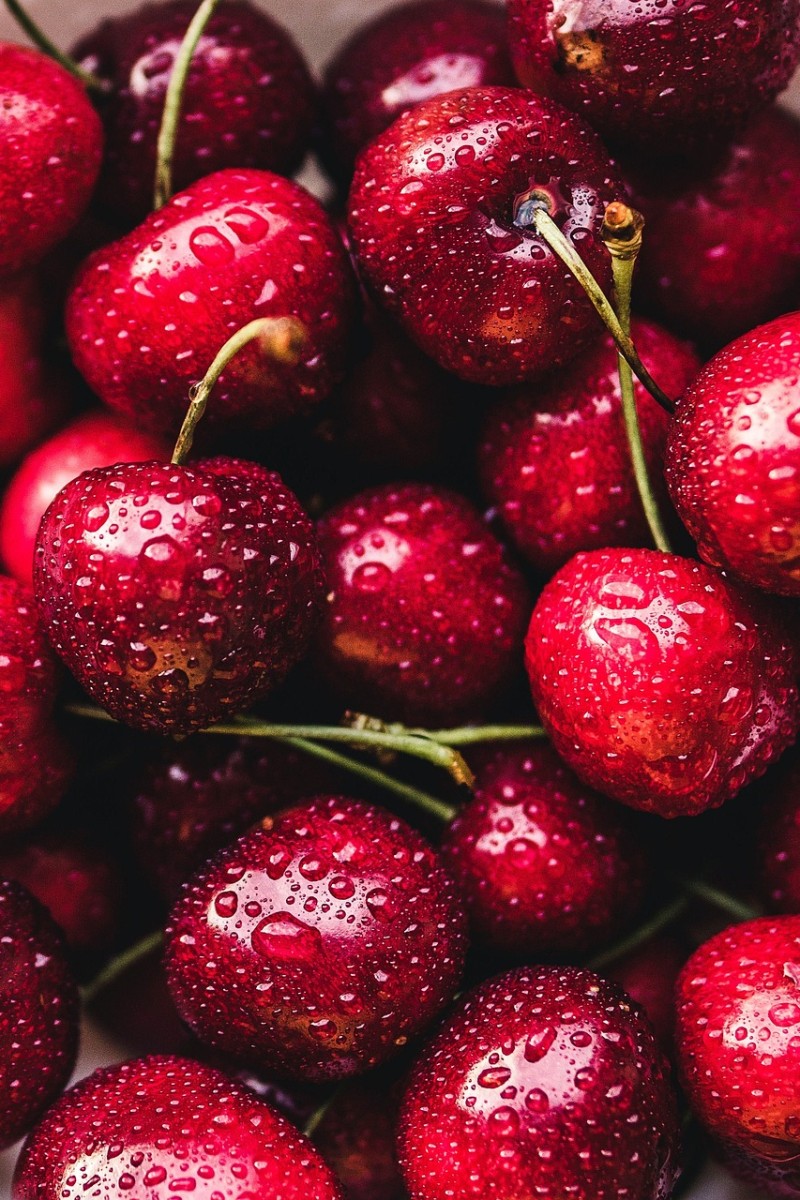
Produce is where it's at. Seriously. If you want to eat healthier, half your cart should be fruits and veggies. But here's the catch: buying them is one thing, actually using them is another. I can't tell you how many times I've bought a bunch of kale only to watch it wilt in the crisper drawer. So now I plan meals around what's in season and what I'll actually eat. And I don't buy more than I can use in a week. That might sound obvious, but it's a game-changer. Also, try frozen produce if you're worried about waste—it's just as nutritious and lasts way longer.
The Frozen Food Secret
Speaking of frozen, don't sleep on the frozen aisle. I was skeptical about frozen veggies until I realized they're picked at peak ripeness and flash-frozen, which locks in nutrients. Plus, they're already chopped and ready to go—perfect for lazy nights. Frozen berries are great for smoothies, and frozen spinach is a lifesaver for soups and pasta. Just watch out for frozen meals with added sodium and sugar. Stick to plain frozen fruits and veggies, and you're golden.
Don't Skip the Canned Goods
Canned beans, lentils, and tomatoes are pantry staples that make healthy eating easy. They're cheap, shelf-stable, and packed with nutrients. But here's a tip: rinse canned beans to cut down on sodium. And look for cans that say 'no salt added' or 'low sodium' when you can. I always keep a few cans of chickpeas and black beans on hand for quick salads or veggie burgers. Trust me, they'll save you on nights when you're too tired to cook.
The Whole Grain Switch
Switching to whole grains is one of the easiest healthy swaps you can make. Instead of white rice, grab brown rice or quinoa. Instead of white bread, go for whole wheat or sprouted grain. But read the label carefully—'wheat bread' isn't always whole grain. Look for '100% whole wheat' or 'whole grain' as the first ingredient. And don't be fooled by multigrain stuff that's mostly refined flour. I made that mistake for years. Now I check the ingredient list every time. It's a small habit that pays off big time.
Protein: Think Beyond Chicken Breast
Chicken breast is fine, but variety is where it's at. Try ground turkey, tofu, tempeh, or even canned salmon. Eggs are also a fantastic protein source—they're cheap and versatile. I always have a carton of eggs in the fridge. And don't forget plant-based proteins like beans and lentils. They're filling and full of fiber. If you eat red meat, choose lean cuts and have it less often. The key is to mix it up so you don't get bored. Boredom leads to takeout, and that's not the goal here.
The Snack Aisle Survival Guide
Snacks are my weakness. I'll admit it. But I've learned to navigate the snack aisle without going overboard. First, don't shop hungry—that's when you buy everything. Second, look for snacks with protein and fiber, like nuts, Greek yogurt, or hummus with veggies. Third, portion out snacks into small bags when you get home so you don't eat the whole bag. And hey, if you really want that cookie, buy a single one instead of a pack. It's about balance, not perfection.
Dairy or Not? That's the Question
Dairy can be part of a healthy diet, but it's not for everyone. If you tolerate it, choose plain Greek yogurt (it has more protein and less sugar than flavored kinds) and low-fat milk. Cheese is fine in moderation—just watch the portion size. If you're lactose intolerant or just prefer plant-based, there are plenty of alternatives like almond milk, soy yogurt, and cashew cheese. Just check for added sugars and weird ingredients. I switched to unsweetened almond milk years ago and never looked back.
The Condiment Makeover
Condiments can make or break a healthy meal. Ketchup and barbecue sauce are often loaded with sugar, and salad dressings can be oil bombs. So I make my own dressings with olive oil, vinegar, and herbs. It takes two minutes and tastes way better. For other condiments, look for ones with no added sugar and minimal ingredients. Mustard is usually a safe bet. Hot sauce, too. And if you're a mayo fan, try the olive oil-based kind. Small changes like this add up.
Beverages: The Sneaky Calorie Bombs
Liquid calories are the worst because they don't fill you up. Soda, juice, and fancy coffee drinks can pack a day's worth of sugar in one serving. So I stick to water, sparkling water, or unsweetened tea. If you need flavor, add lemon or cucumber. I also keep a reusable water bottle with me at all times—it's a reminder to drink more water. And hey, if you're a coffee person, just skip the sugar and cream. Or use a splash of milk. Your body will thank you.
The Checkout Line Trick
The checkout line is where willpower goes to die. Those candy bars and tabloids are strategically placed to tempt you. My trick? I bring a list and stick to it. No impulse buys. If I'm really hungry, I'll grab a piece of fruit from the produce section and eat it in the car. That way, I'm not ravenous when I get home and start snacking on junk. It's a small thing, but it makes a difference. Also, never shop on an empty stomach—that's just asking for trouble.
The Post-Shopping Ritual
When you get home, don't just dump the groceries on the counter. Take 10 minutes to wash and prep produce, portion out snacks, and organize the fridge. I know it sounds like a chore, but it makes the week so much easier. If veggies are already chopped, you're more likely to eat them. Same goes for fruit. And having healthy snacks ready to grab means you won't reach for chips. It's a little effort upfront, but it pays off big time. Trust me on this one.