Why Bother With Breakfast?

Look, I get it. Mornings are chaos. You're hunting for a lost sock, the coffee's still brewing, and the last thing you want to do is cook. Sound familiar?
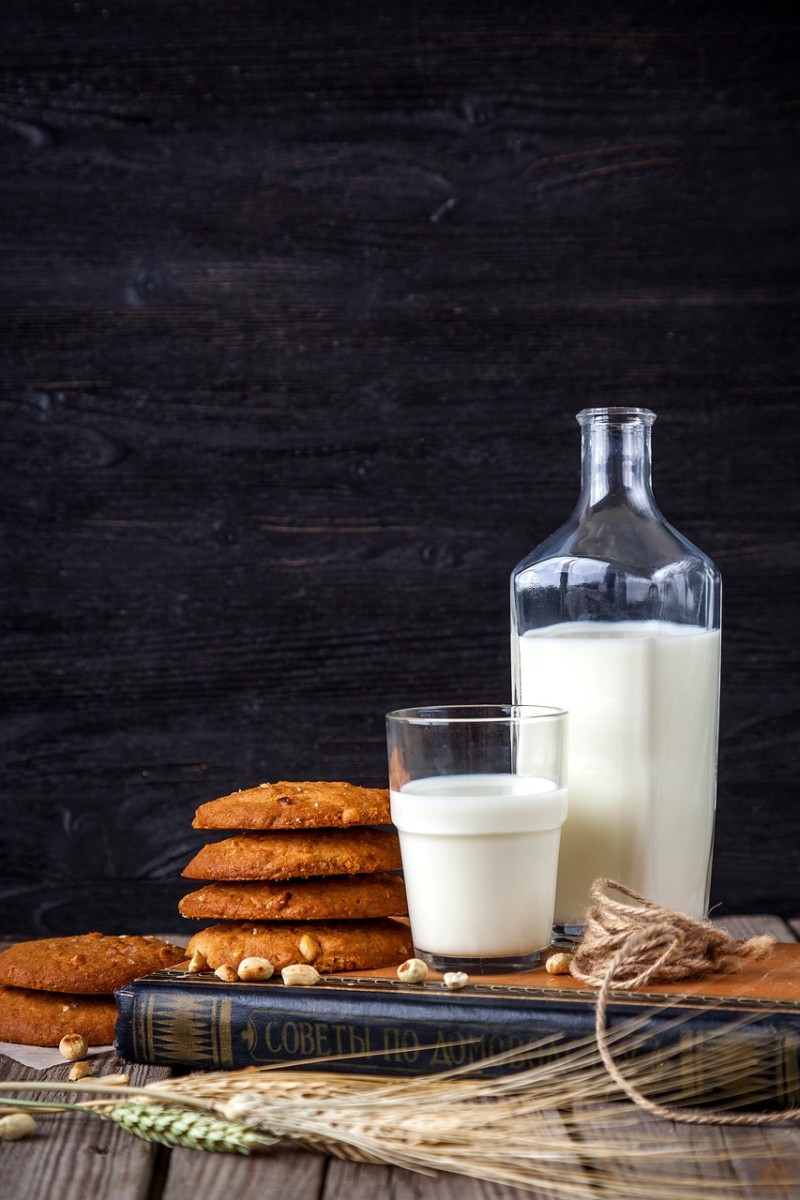
Healthy Breakfast Ideas - 7 Healthy Breakfast Ideas That Actually Keep You Full (Illustration 1)

But here's the thing. I used to skip breakfast all the time. Then I'd hit a wall around 10am, grab a donut from the break room, and feel terrible for the rest of the day. Not exactly a winning strategy.

So I started experimenting. Some ideas flopped. Others stuck. And the ones that stuck are the ones I'm sharing here — nothing fancy, just real food that works.

1. Overnight Oats (My Personal Favorite)

This one changed my mornings, honestly. You throw oats, milk, and a little yogurt into a jar the night before. That's it. No cooking, no fuss.

I usually add chia seeds and a spoonful of peanut butter. Sometimes sliced banana. The next morning, breakfast is just sitting there waiting for you. It's kind of magical.

The oats give you slow-burning carbs, the yogurt adds protein, and the chia keeps you full for hours. I'm not 100% sure of the science behind it, but from what I've seen, this combo beats a bowl of sugary cereal every single time.

2. Egg Muffins

Make a batch on Sunday, eat them all week. That's the deal here.

Whisk some eggs with whatever veggies you've got — spinach, peppers, mushrooms — pour into a muffin tin, and bake for about 20 minutes. They keep in the fridge for days.

Two of these in the morning with a piece of fruit? You're set. My friend Sarah turned me onto these and I haven't looked back. Plus, they reheat in like 30 seconds.

3. Greek Yogurt Bowl

Here's the easiest one on the list. Plain Greek yogurt, a handful of berries, some nuts, maybe a drizzle of honey if you're feeling fancy.

🔥 Special Offer — Don't Miss Out Today!

👉 Check Lowest Price & Deals →

Done. No recipe needed.

Greek yogurt has way more protein than regular yogurt, which means you won't be hungry again by mid-morning. The berries add fiber and antioxidants. The nuts give you healthy fats. It's pretty much a perfect little package.

One tip: buy plain, not flavored. The flavored stuff is loaded with sugar. Add your own sweetener and you control how much goes in.

4. Avocado Toast (Yes, It's Worth the Hype)

I resisted this one for a while. Seemed overpriced and overrated. Then I made it at home and realized — oh, it's actually delicious.

Toast some whole grain bread. Smash half an avocado on top. Sprinkle with salt, pepper, and a little lemon juice. If you want to get wild, add a fried egg or some red pepper flakes.

The healthy fats in avocado keep you satisfied. The whole grain bread gives you fiber and energy. It's simple, it's fast, and it works.

5. Smoothies (When You're Really in a Rush)

I'm not going to pretend a smoothie is always a full meal. But on busy mornings, it's better than nothing — and way better than a drive-thru breakfast sandwich.

Here's my go-to formula: a banana, a handful of spinach (you won't taste it, I promise), frozen berries, a scoop of protein powder, and some milk or almond milk. Blend it up. Chug it on the way out the door.

Make sense? Good. The protein keeps you full. The fruit gives you energy. The spinach... well, you're getting some veggies in without even noticing.

6. Chia Pudding

Similar to overnight oats, but a little different texture. Chia seeds, milk, and a touch of honey. Mix it up, stick it in the fridge overnight, and in the morning you've got a pudding-like breakfast.

Top it with fruit, nuts, coconut flakes — whatever you like. Chia seeds are packed with fiber and omega-3s. They're tiny but mighty.

I'll be honest, the texture takes some getting used to. But once you're into it, you're into it.

7. Breakfast Burrito

This one's for when you've got a little more time — like a lazy Sunday morning. Scramble some eggs, throw them in a whole wheat tortilla with black beans, cheese, and salsa. Roll it up.

You've got protein, fiber, and flavor all in one hand-held package. It's filling, it's satisfying, and it beats the pants off a frozen breakfast sandwich.

Plus, you can make extra and freeze them. Just wrap in foil, pop in the freezer, and reheat when needed.

Final Thoughts

You don't need to be a chef to eat a healthy breakfast. You just need a few simple ideas that work for your schedule and your taste buds.

Start with one or two from this list. See how you feel. Adjust as needed. Maybe you love overnight oats. Maybe you're more of an egg muffin person. Either way, you're doing something good for yourself.

And hey, if you slip up and grab a donut some morning? No big deal. Tomorrow's another day.

🎯 Exclusive Reader Discount Available Now!

✨ Visit Official Website for Special Deal →
✍️ Researched & Written By

Dr. Sarah Mitchell, MS, RD

Registered Dietitian (RD)MS in Clinical NutritionEvidence-Based Wellness

Dr. Sarah Mitchell is a senior clinical nutrition researcher specializing in metabolic health, longevity protocols, and preventive lifestyle medicine. She translates clinical trials into accessible, actionable guidance for millions of readers.

🛡️ Clinical Fact-Check: Medically reviewed by the HealthHub Medical Advisory Board.Learn more about our Editorial Standards & Review Process.

Frequently Asked Questions

QWhat exactly is a healthy breakfast, and what should it include?
A healthy breakfast is a morning meal that provides balanced nutrition to fuel your body and brain after an overnight fast. It typically includes a combination of complex carbohydrates (like whole grains, oats, or fruit), lean protein (eggs, Greek yogurt, or legumes), and healthy fats (nuts, seeds, or avocado). This trio helps stabilize blood sugar, sustain energy, and keep you full until lunch. Ideally, it also contains fiber and micronutrients from fruits or vegetables. There is no single 'perfect' breakfast—cultural foods, personal preferences, and dietary needs all matter. The key is avoiding heavily processed, sugar-laden options and instead focusing on whole, minimally processed ingredients that support long-term health and satiety.
QHow can I start eating a healthy breakfast if I'm always rushed in the morning?
Start by planning ahead and simplifying your routine. Prepare grab-and-go options the night before, such as overnight oats, chia pudding, hard-boiled eggs, or pre-cut fruit and nut butter. Batch-cook egg muffins or breakfast burritos on weekends and freeze them. Keep healthy staples on hand—Greek yogurt, whole-grain bread, bananas, and nut butter—so you can assemble a balanced meal in under five minutes. If you truly can't eat first thing, aim for a small protein-rich snack and a proper breakfast later. Gradually shift your morning schedule by waking up 10–15 minutes earlier. Consistency matters more than perfection; even a simple yogurt-and-fruit combo is far better than skipping breakfast or grabbing a sugary pastry.
QAre there any precautions or health considerations before changing my breakfast habits?
Yes. If you have diabetes, aim for low-glycemic options and monitor blood sugar responses, especially with fruit-heavy or grain-based meals. Those with heart disease should limit saturated fat from processed meats and choose lean proteins and healthy fats. People with digestive issues like IBS may need to adjust fiber types or avoid trigger foods such as certain fruits or dairy. If you take medications that require food or have specific timing, consult your doctor. Allergies and intolerances—to eggs, nuts, gluten, or dairy—require careful substitutions. Also, avoid drastically increasing fiber without adequate fluids, as this can cause bloating. Pregnant women, athletes, and older adults have distinct nutritional needs, so personalized guidance from a registered dietitian is advisable before making significant dietary changes.
QWhat are the most common mistakes people make with healthy breakfasts?
One common mistake is assuming anything labeled 'healthy' is nutritious—many cereals, granolas, and flavored yogurts are high in added sugar. Another is eating only carbohydrates (e.g., toast or fruit alone), which spikes blood sugar and leaves you hungry soon after. Skipping protein is frequent; protein increases satiety and supports muscle maintenance. Overloading on healthy fats (like excessive nut butter or avocado) can also add unwanted calories. Some people drink their breakfast as juice or smoothies lacking protein and fiber, leading to energy crashes. Finally, eating too quickly or mindlessly in front of screens can impair digestion and satisfaction. Avoiding these pitfalls by reading labels, balancing macronutrients, and eating mindfully will make your healthy breakfast truly effective.
QWhat are the best practices for building a healthy breakfast habit that lasts?
Best practices include planning weekly menus, prepping ingredients in advance, and keeping your kitchen stocked with versatile healthy staples. Eat at a consistent time to regulate hunger hormones and metabolism. Balance your plate with protein, fiber, and healthy fats, and rotate foods to prevent boredom and ensure nutrient variety. Stay hydrated with water rather than sugary drinks. Practice mindful eating—sit down, chew slowly, and avoid screens. Don't aim for perfection; allow flexibility for cultural foods and occasional treats. Track how different breakfasts affect your energy and hunger to refine your choices. Finally, involve family or housemates for accountability, and consult a dietitian if you have specific health goals. Small, sustainable changes beat drastic overhauls every time.

📚 Recommended Health Guides