Last Tuesday, I almost made a huge mistake. I was sitting on my tattered sofa, staring at a greasy pepperoni pizza on my phone screen, my thumb hovering precariously over the 'Order' button. My stomach was doing that weird, hollow growling thing that makes you feel like you haven't eaten in a decade. I’d been trying to stick to vegetarian weight loss meals for three weeks, but honestly, I was failing miserably. I felt weak, I felt grumpy, and quite frankly, I was bored to tears with limp lettuce. I’ll be honest, I was skeptical that a plant-based life could ever actually fill me up. I thought I was destined to be a forever-hungry person who just nibbled on carrots like a sad rabbit.
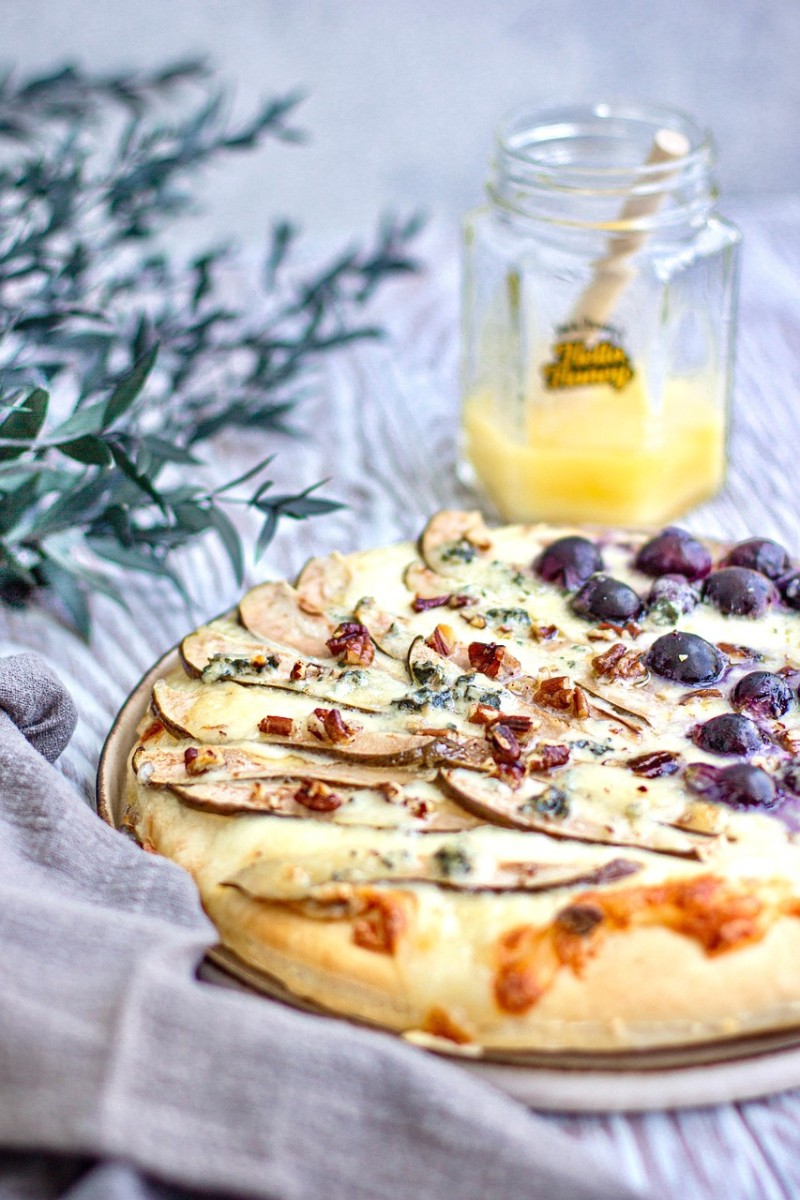
But then I remembered something my friend Clara told me. She’s one of those people who always looks energized, and she’s been meat-free for years. She once said that the biggest mistake people make is thinking that 'vegetarian' automatically means 'healthy' or 'low calorie.' Well, she was right. I had been living on white pasta with jarred marinara and grilled cheese sandwiches. No wonder the scale hadn't budged. I put the phone down, took a deep breath, and walked into the kitchen to try one last time. That night changed everything for me, and it started with a single pot of lentils.
The Grocery Aisle Revelation
A few days after my pizza near-miss, I found myself standing in the middle of the produce section. I felt lost. Have you ever stood in front of a pile of kale and wondered what on earth you were supposed to do with it? It’s intimidating. I realized right then that my previous shopping trips were basically just trips to the frozen food aisle to buy processed veggie nuggets. Those things are salt bombs. They aren't exactly what I’d call vegetarian weight loss meals; they’re more like chemistry experiments shaped like food. I needed real stuff. I needed things that grew in the dirt.
I started grabbing things I’d usually ignore. Sweet potatoes, black beans, quinoa, and a massive bag of spinach. Here’s the thing I learned: weight loss on a vegetarian diet isn’t about eating less food. It’s actually about eating more of the right things. I’m not 100% sure why it took me so long to figure that out. I guess I was just stuck in the old mindset of restriction. Speaking of which, I saw a woman loading her cart with nothing but grapefruit and celery. I almost wanted to tap her on the shoulder and tell her she was going to be miserable by 9 P.M., but I stayed in my lane.
The revelation was simple. If I wanted to Lose Weight Naturally">Lose Weight Naturally">lose weight, I had to replace the calorie-dense processed junk with high-volume, low-calorie whole foods. That sounds like science talk, doesn't it? Basically, it just means you can eat a giant bowl of cauliflower and chickpea curry for the same calories as a tiny sliver of cheese pizza. My brain likes big portions. My stomach likes big portions. So, I decided to stop fighting my appetite and start outsmarting it with fiber. It's kind of like a magic trick for your metabolism.
The 3 P.M. Crisis
We’ve all been there, right? It’s mid-afternoon, your coffee has worn off, and the vending machine in the breakroom is calling your name like a siren. This used to be my downfall. I’d eat a light salad for lunch—mostly just water and air—and by 3 P.M., I was ready to eat my own arm. This is where the right vegetarian weight loss meals come into play. If your lunch doesn't have enough protein and fiber, you're doomed. You'll end up face-first in a bag of potato chips before the sun goes down.
I started experimenting with what I call 'The Power Bowl.' It’s not fancy. It’s basically just leftovers thrown together, but it works. I’d take some roasted chickpeas, half an avocado, a big scoop of quinoa, and as much arugula as I could cram into the container. The protein in the chickpeas and the healthy fats in the avocado kept my blood sugar steady. No more shakes. No more brain fog. I actually felt like a functioning human being for the first time in months. It was a weird feeling, honestly.
Now, here’s the thing about snacking. Most people think they need to cut it out entirely. I disagree. I think you just need to change the script. Instead of crackers, I started keeping sliced bell peppers and hummus nearby. It sounds cliché, I know. But when you’re actually hungry, that crunch is satisfying. It’s about managing the 'hunger hormones' that usually drive us crazy. When I started eating these types of meals, that 3 P.M. wall just... disappeared. It was like I’d finally found the cheat code to my own body.
What Actually Works (and What Doesn't)
Let’s get real for a second. Some vegetarian food is just plain bad. I tried making a 'zucchini crust' pizza once that turned into a soggy, weeping mess on my baking sheet. It was depressing. I’ve also tried those expensive meal replacement shakes that taste like chalk and regret. If you want to find vegetarian weight loss meals that actually stick, you have to enjoy the flavor. If you hate what you’re eating, you’ll quit. It’s that simple. You can't white-knuckle your way through a diet forever.
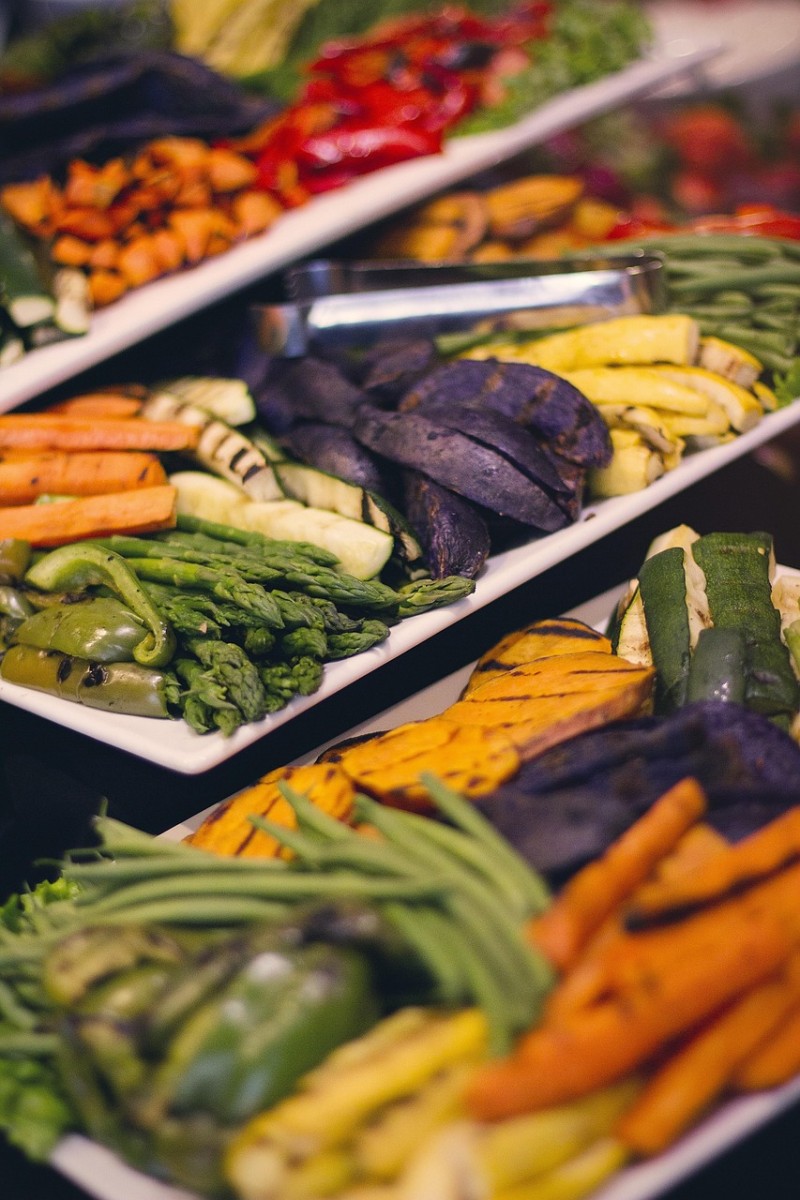
What actually works are meals that feel 'heavy' but are actually light. Take lentil bolognese, for example. You swap the ground beef for red lentils. They have a similar texture, they’re packed with protein, and they soak up all the garlic and herb flavors. You get to eat a big plate of food, but the calorie count is significantly lower. Plus, lentils are dirt cheap. I’m pretty sure I saved fifty bucks on my grocery bill the first week I switched. That’s a win in my book.
Here is a quick breakdown of how I started swapping things out to make my meals actually work for weight loss:
| The Old "Fake" Healthy Meal | The New Vegetarian Weight Loss Meal | Why It Works |
|---|---|---|
| Pasta with heavy Alfredo sauce | Zucchini noodles with cashew cream | Lower carbs, healthy fats, more volume. |
| Store-bought veggie burgers | Homemade black bean and oat patties | Less sodium, more fiber, no fillers. |
| White rice and buttered veg | Cauliflower rice with tofu stir-fry | High protein, very low calorie density. |
| Cheese and crackers snack | Apple slices with almond butter | Fiber and healthy fats for longer satiety. |
That reminds me of the time I tried to convince my husband that tofu was 'basically chicken.' He looked at me like I had grown a second head. But then I pressed the tofu, marinated it in soy sauce and ginger, and baked it until it was crispy. He ate the whole plate. The lesson here is that preparation is everything. You can't just boil things and expect them to taste like a five-star meal. You have to use spices. Use smoked paprika, cumin, nutritional yeast, and lemon juice. These things have zero calories but they make the food sing.
The Taste Test That Changed Everything
About a month into this journey, I had a dinner party. I was nervous. My friends are definitely not vegetarians, and I didn't want to be the person serving 'sad health food.' I decided to make a massive sweet potato and black bean chili. I loaded it with cocoa powder (my secret ingredient!), chipotle peppers, and roasted corn. I set out bowls of Greek yogurt (as a sour cream sub), cilantro, and lime wedges. I didn't tell anyone it was part of my weight loss plan. I just called it dinner.
Watching them go back for thirds was the ultimate validation. It hit me that vegetarian weight loss meals don't have to be 'diet' food. They can just be food. Really good food. One of my friends even asked for the recipe because he couldn't believe how full he felt without the heavy 'meat-sweat' feeling you get after a standard chili. That’s the magic of fiber. It fills the stomach and sends signals to the brain that says, 'Hey, we're good here. You can stop eating now.'
I'll be honest, there are still days when I miss a bacon cheeseburger. I’m human. But those cravings are way less intense now. When you feed your body high-quality fuel, it stops screaming for the high-calorie junk. It’s like my internal thermostat finally got recalibrated. I started losing about a pound or two a week, which doesn't sound like a lot until you realize it's staying off. No yo-yoing. No starving. Just steady, boring, wonderful progress.
The Unexpected Lesson About Hunger
So, what’s the biggest thing I learned? It wasn't actually about the recipes, although those helped. It was about my relationship with hunger. I used to be terrified of being hungry. I thought it was an emergency that needed to be fixed immediately with the densest food possible. But eating these vegetarian weight loss meals taught me that hunger is just a signal, not a crisis. When you eat foods that are rich in nutrients, that 'emergency' feeling goes away.
I also realized that I was eating out of boredom or stress half the time. Because I was focusing so much on what I was putting in my body, I became more mindful. I started asking myself, 'Are you actually hungry, or are you just annoyed at that email your boss sent?' More often than not, it was the email. Now, instead of a cookie, I’ll have a cup of herbal tea or a handful of almonds. It sounds like such a 'health nut' thing to say, but it works. Well, sort of. Sometimes I still just want the cookie, and you know what? I have it. Because perfection is the enemy of progress.
Looking back at that Tuesday when I almost ordered the pizza, I’m glad I didn't. Not because pizza is evil—it’s not—but because I would have missed out on discovering how good I could actually feel. I have more energy now. My skin looks better. And I don’t have to unbutton my pants after lunch anymore. If you’re thinking about trying this, don't overcomplicate it. Start with one meal. Swap your lunch. Buy some lentils. See how it feels. You might be surprised at how much you don't miss the meat when the food actually tastes like something. That's pretty much the whole secret. It’s not about what you’re losing; it’s about what you’re gaining—which, ironically, is a much smaller waistline.