The Scale Is Not the Boss of You
You know how sometimes you step on the scale and it's like the number just stares back at you, judging? Yeah. Been there. I remember standing in my bathroom at 6 a.m., socks half-on, convinced that if I just moved the scale two inches to the left, the number would drop. Plot twist: it didn't.
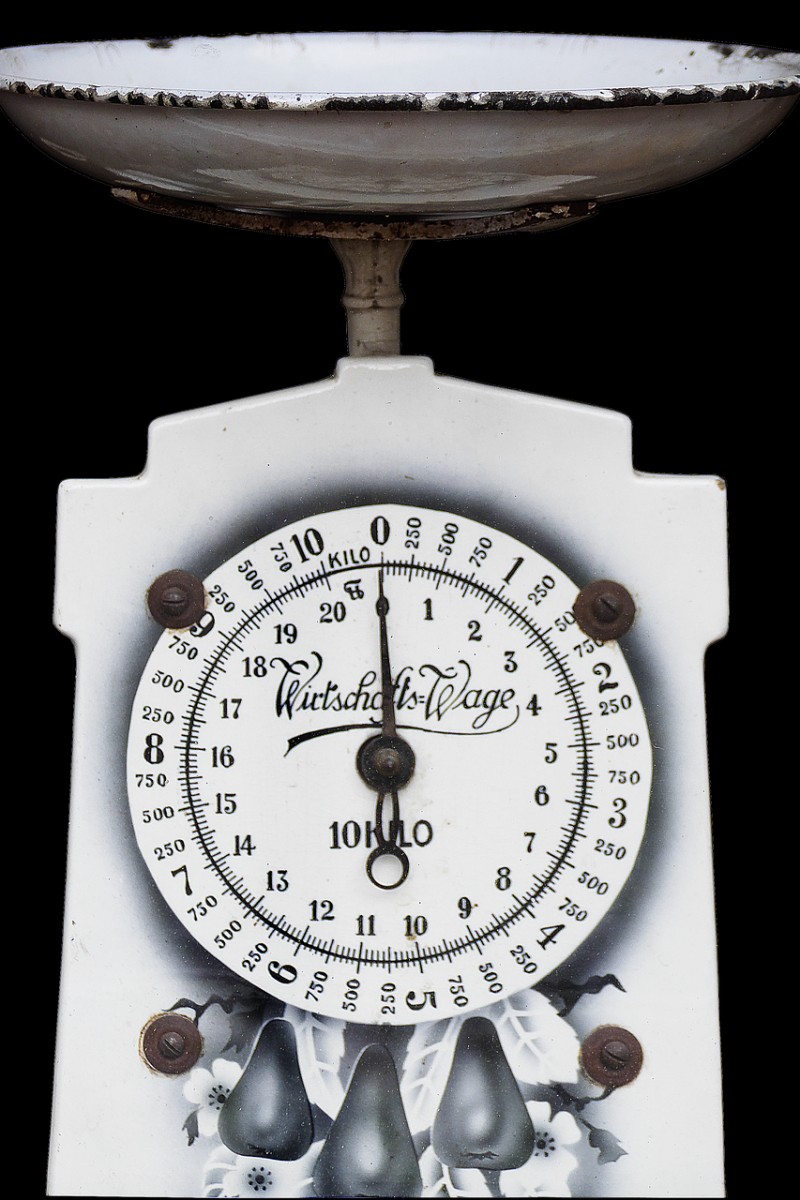
Here's the thing—losing weight is one of those goals that everyone talks about but nobody really explains in a way that feels... human. So let's talk about it like friends. No jargon. No 30-day miracle plans. Just real stuff.
First off, let me say this: your weight is not a measure of your worth. I know, I know—easier said than done. But honestly, if you're starting this journey from a place of self-hate, it's going to be a rough ride. You can want to change and still love yourself in the process. Both things can be true.
Start With What You're Already Doing
Okay, so here's the deal. Before you overhaul your entire life (and your fridge), take a minute to just... notice. What are you already doing right? Maybe you walk the dog every morning. Maybe you drink water without thinking about it. Maybe you actually like vegetables. Those are wins.
I had a friend who swore she couldn't Lose Weight Naturally">Lose Weight Naturally">lose weight, but then we realized she was drinking like four sugary lattes a day. Not judging—I've been there. But once she swapped two of them for black coffee or tea, she dropped five pounds without changing anything else. Small shifts, people. They add up.
Not gonna lie, the first week of paying attention to what you eat can feel like a full-time job. You're reading labels, measuring portions, wondering why a serving of almonds is basically three nuts. It's annoying. But it gets easier. Like, way easier.
The Small Shifts That Actually Stick
Here's where it gets interesting. Most people think losing weight means going hardcore—cutting out entire food groups, doing two-a-day workouts, drinking celery juice until you turn green. And sure, you might drop a few pounds fast. But then what? You can't live like that forever. Trust me, I've tried.
Instead, try this: pick one or two small changes you can actually see yourself doing in six months. Not a week. Six months. For me, it was swapping my afternoon soda for sparkling water and adding a ten-minute walk after lunch. That's it. No dramatic music, no transformation montage.
And you know what? Those tiny habits stuck. Because they weren't torture. They were just... different. And eventually, different became normal.
Speaking of which, let's talk about the 'all or nothing' mindset. It's a trap. You don't have to be perfect. You just have to be consistent-ish. Missed a workout? Fine. Ate a donut? Cool, they're delicious. Just get back on track at your next meal, not next Monday.
When Motivation Ghosts You
Motivation is flaky. It shows up when you buy new workout clothes, then disappears the second it rains or you're tired or someone brings cookies to the office. Sound familiar?
So here's what you do: don't rely on motivation. Rely on systems. Put your sneakers by the door. Prep some snacks on Sunday. Schedule workouts like appointments. Make the healthy choice the easy choice.
I'm not 100% sure why we expect ourselves to feel inspired every single day. Nobody feels like brushing their teeth, but we do it anyway. Treat healthy habits the same way—boring, automatic, non-negotiable.
And when you do fall off? Because you will. We all do. Don't turn one slip into a full-on spiral. The 'well, I already messed up, might as well eat the whole cake' mentality? It's real. But it's also a choice. You can choose to stop at one slice.
Food Is Not the Enemy
Can we please stop demonizing food? Carbs aren't evil. Fat isn't the devil. And sugar? It's not great in excess, but it's not going to ruin your life.
From what I've seen, the people who lose weight and keep it off are the ones who don't label foods as 'good' or 'bad.' They just eat more of the stuff that fuels them and less of the stuff that doesn't. They enjoy treats without guilt. They don't keep a food diary unless it actually helps them.
Oh, and protein. Eat some. It keeps you full and helps you keep muscle while you lose fat. Eggs, chicken, beans, tofu, Greek yogurt—whatever works for you. And fiber. Fiber is your friend. Fruits, veggies, whole grains. They fill you up without filling you out.
Move Like You Mean It (Even a Little)
Exercise is not punishment for eating. It's not a debt you owe. It's just movement. And honestly, any movement counts. Dancing in your kitchen? Counts. Walking to get coffee? Counts. Chasing your kid around the park? Definitely counts.
You don't need a fancy gym or a trainer yelling at you. You need to find something you don't hate. For me, it's hiking and those 20-minute YouTube yoga videos. For you, it might be swimming, biking, or just walking around the block with a podcast.
Start small. Like, embarrassingly small. Five minutes. Then build. Your body will adapt, and you might actually start looking forward to it. Weird, I know.
The Comparison Trap
Instagram is full of people who lost 50 pounds in three months and now have abs you could grate cheese on. Cool for them. But comparison is a thief of joy—and progress.
Your journey is yours. Your body is yours. Your timeline is yours. Some weeks you'll lose two pounds, some weeks you'll lose none, and some weeks you'll gain a little because of hormones or salt or life. That's normal. The scale is just one data point.
Pay attention to how your clothes fit. How you feel after climbing stairs. How your energy levels are. Those matter more than a number.
Your Body Is Listening
Here's the bottom line: losing weight isn't about willpower. It's about listening. To your hunger cues. To your fullness. To what your body actually needs versus what your brain is craving out of boredom or stress.
It's a skill. And like any skill, it takes practice. You'll mess up. You'll eat when you're not hungry. You'll skip workouts. You'll feel frustrated. But you'll also learn. You'll get better. And eventually, it won't feel like a diet. It'll just feel like your life.
So take a deep breath. Be kind to yourself. And remember: you're not in a race. You're just trying to feel good in your own skin. That's worth more than any number on a scale.