Why Even Bother With a Thigh Gap Workout
Let's be honest here. The whole "thigh gap" thing gets a bad rap sometimes. And yeah, some of it is deserved. But when I first started looking into it years ago, I wasn't chasing some impossible body standard. I just wanted stronger, leaner legs that felt good in jeans. Sound familiar?
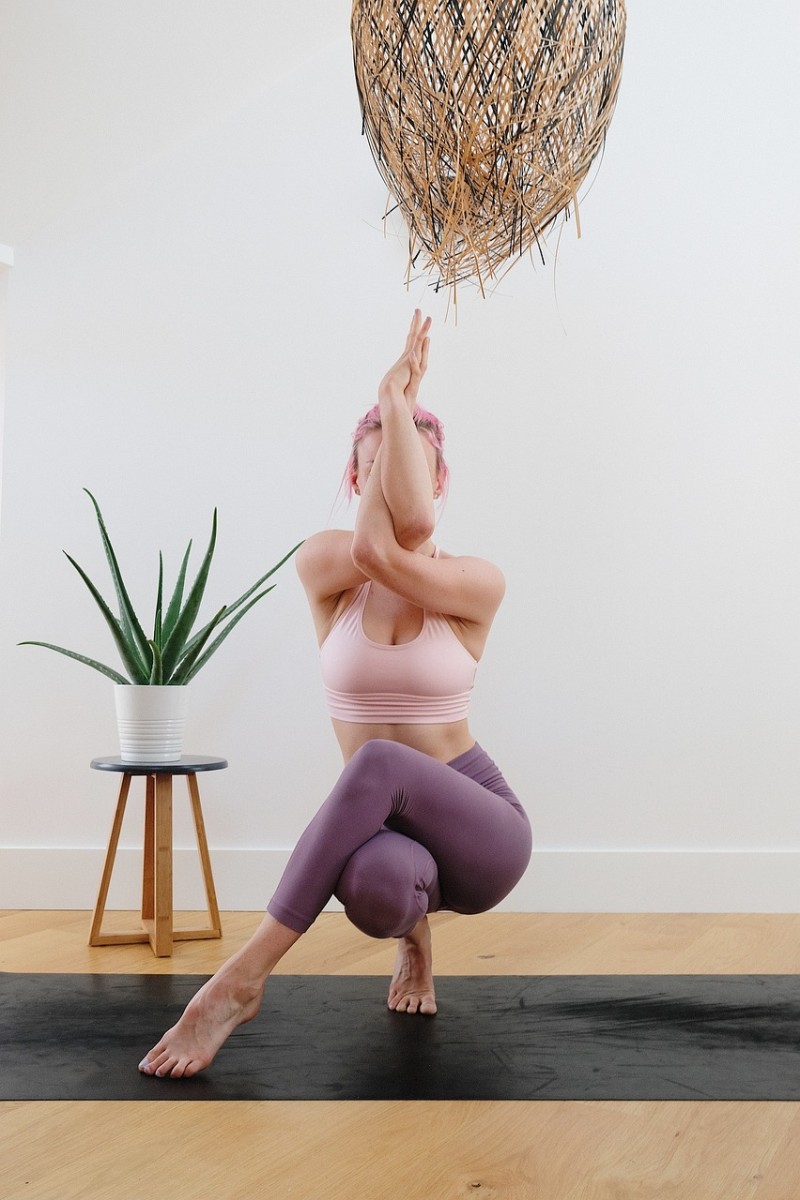
Here's what this guide is and isn't. It's a real workout plan focused on inner thigh strength and overall leg conditioning. It's not a promise that you'll suddenly look like a fitness model. Genetics play a huge role in whether you actually get a visible gap, and I learned that the hard way after months of frustration.
What you will learn: the specific exercises that target your adductors, how to avoid the knee pain I stupidly ignored for weeks, and how to build a routine you'll actually stick with. No fluff. Just stuff that works.
Step 1: Get Real About Your Starting Point
Before you do a single squat, take five minutes to assess where you're at. I skipped this step when I started and ended up overdoing it on day one. Not fun.
Grab a mirror. Stand with feet together. Notice how your thighs naturally sit. Take a photo if you're comfortable. This isn't about judgment. It's about having a baseline so you can see progress later.
Now test your mobility. Can you do a deep squat without your heels lifting? Can you lie on your side and lift your top leg without wobbling? If not, that's useful info. Don't ignore it.
Also, check in with your knees. Any existing pain? Clicking? Then be extra careful with the moves coming up. I'm not a doctor and neither is this article, so if something feels sharp, back off. Seriously.
Step 2: Warm Up Like You Mean It
Skipping warm-ups is the number one mistake I see. I used to think five minutes of walking was enough. It wasn't.
Here's a quick routine that takes about six minutes:
Thirty seconds of jumping jacks. Then twenty leg swings per side (front to back, then side to side). Next, do ten slow bodyweight squats. Finish with a thirty-second hold in a deep lunge on each side.
Feel that? Good. Your hips and inner thighs should feel slightly warm and loose. If you're still stiff, do another round. Don't rush this part. Cold muscles don't stretch well, and that's how pulls happen.
Pro tip: I keep a timer on my phone for warm-ups. Otherwise I get distracted and suddenly I'm scrolling Instagram instead of prepping my legs.
Step 3: Master the Sumo Squat
This is your bread and butter. The sumo squat hits your inner thighs way more than a regular squat. When I first tried this, my form was terrible. My knees caved in and my back rounded. Don't make the same mistake I did.
Stand with feet wider than shoulder-width. Toes pointed out at about a 45-degree angle. Keep your chest up and core tight. Now sit back and down, like you're aiming for a chair behind you. Go as low as you can without your back rounding. Push through your heels to stand.
Do three sets of twelve to fifteen reps. Rest sixty seconds between sets. That's it. Simple but effective.
Watch your knees. They should track over your toes, not cave inward. If they do, reduce your range of motion. I learned that one after a week of sore knees that I definitely didn't need.
Step 4: Add Side Lunges (Carefully)
Side lunges are fantastic for your inner thighs and glutes. But they're also easy to mess up.
Start standing tall. Step out wide to your right. Bend your right knee and push your hips back, keeping your left leg straight. Feel the stretch on your left inner thigh. Push back to center. That's one rep. Do ten per side, two sets.
Here's where it gets tricky. Don't let your bent knee go past your toes. And don't lean forward. Keep your torso upright. I used to lean forward without realizing it, which took the work away from my thighs and put it on my lower back. Not ideal.
If you feel unstable, that's normal at first. Hold onto a wall or chair for balance. No shame in that.
Step 5: Fire Up Your Inner Thighs With Leg Lifts
This move looks easy. It's not. Well, sort of. It's simple but sneaky hard.
Lie on your right side. Stack your legs. Now lift your left (top) leg straight up about two feet. Hold for two seconds. Lower slowly. Do fifteen reps. Switch sides.
Want more challenge? Add ankle weights. I didn't start with weights and I'm glad. My form was shaky enough without them.
Another variation: the clamshell. Lie on your side, knees bent, feet together. Open your top knee like a clamshell while keeping feet touching. Do twenty reps per side. This one really targets the inner thigh and hip area. You'll feel it the next day, trust me.
Step 6: Throw In Some Cardio Sprints
Strength work alone won't give you the lean look you're after. You need some cardio to burn fat overall. But you don't need to run for an hour.
Sprints are efficient. Find a hill or a stretch of sidewalk. Sprint for twenty seconds. Walk back. Repeat six to eight times. That's it. Takes about fifteen minutes total.
I used to hate sprints. Then I started doing them with a friend and it became almost fun. Almost. The point is, you don't need fancy equipment. Just shoes and a bit of space.
Do this two or three times a week. Don't do it on the same day as leg strength work if you can help it. Your legs need recovery.
Step 7: Stretch and Recover
Recovery is where most people drop the ball. I know I did. I'd finish a workout and immediately sit on the couch. Bad idea.
Spend five to ten minutes stretching after every session. Focus on your inner thighs. Butterfly stretch: sit with soles of feet together, gently push knees down. Hold for thirty seconds. Also do a standing wide-legged forward fold. That one feels amazing after sumo squats.
Sleep matters too. Your muscles repair while you rest. If you're not sleeping seven to eight hours, you're shortchanging your progress. I'm not perfect at this either, but I try.
Step 8: Track Progress Without Obsessing
Here's the thing. You need to measure progress somehow, or you'll get frustrated and quit. But don't weigh yourself daily. That's a trap.
Instead, pick one metric. Maybe it's how many reps you can do with good form. Maybe it's a monthly photo. Maybe it's how your favorite jeans fit. Whatever works for you.
I keep a simple notebook. After each workout, I write down what I did and how I felt. That's it. No calorie counting, no daily weigh-ins. Just a quick note. It helps me see patterns and stay motivated.
Step 9: Stay Consistent When Life Gets Messy
Consistency beats intensity every time. But life happens. You get busy, you get tired, you skip a workout. Then another. Then a week goes by.
I've been there. The trick is to lower the bar on bad days. Can't do the full workout? Do ten sumo squats. That's it. Ten squats. It keeps the habit alive.
Also, don't wait for motivation. Motivation is flaky. Schedule your workouts like appointments. Put them in your calendar. Treat them as non-negotiable. If you miss one, don't beat yourself up. Just get back on track the next day.
And remember, this whole thigh gap thing is just one goal. Your worth isn't tied to a gap between your legs. But if you want to work on it, do it safely and consistently. Your body will thank you.