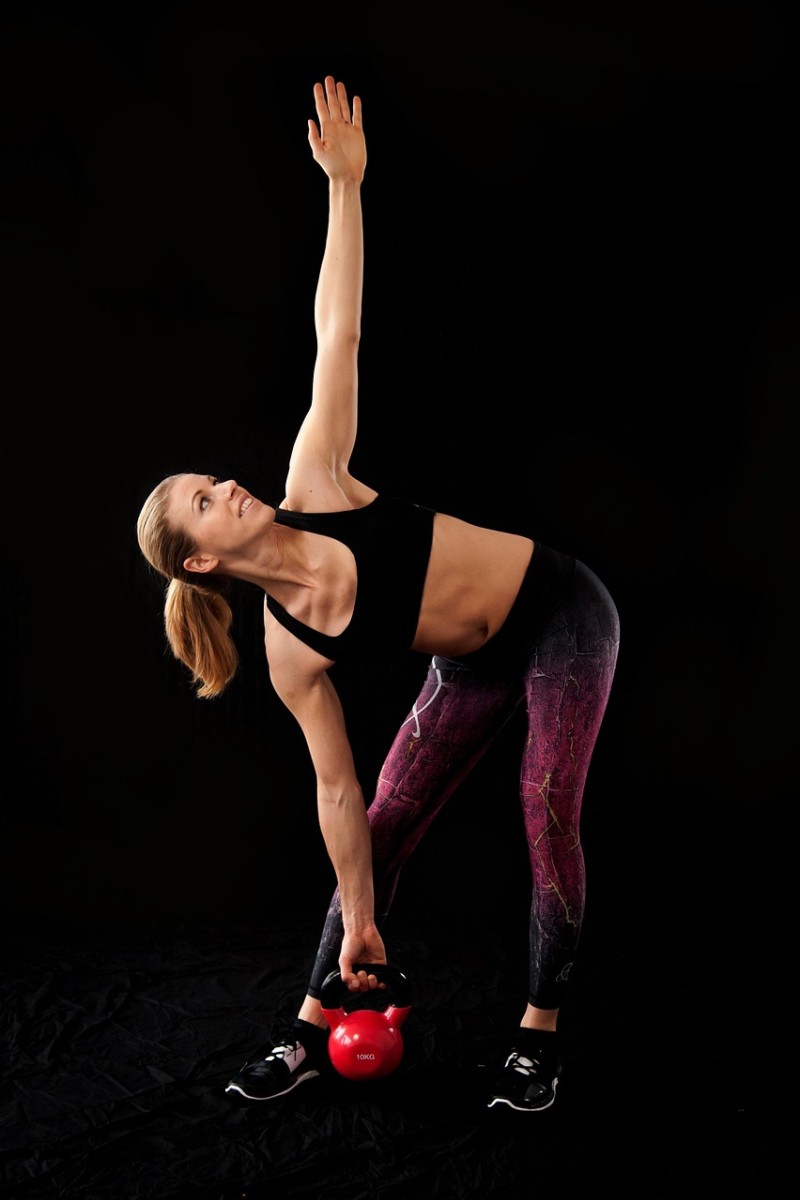
A no-nonsense listicle of 7 abs workout tips that cut through the fitness industry fluff. From breathing tricks to anti-crunch advice, these actionable strategies help you train smarter, not just harder, for a stronger core.
I remember when a trainer told me to stop holding my breath during planks. I was skeptical. But here's the thing: proper breathing actually activates your transverse abdominis, the deepest core muscle that acts like a natural corset. Try this—inhale for 4 seconds, exhale forcefully for 6 seconds while bracing your abs. It sounds simple, but it's a game-changer for stability. Do it during every exercise, and you'll feel the difference in a week. Honestly, I was shocked at how much harder my core worked just by syncing my breath.
Stop Crunching (Seriously)
Crunches are outdated. There, I said it. Your abs aren't just for flexing; they're for resisting movement. Swap crunches for anti-rotation exercises like Pallof presses or bird-dogs. These hit your obliques and deep core without wrecking your spine. A friend of mine threw out his back doing 500 crunches a day—don't be that guy. Instead, do 3 sets of 10 Pallof presses per side. You'll feel it in places you didn't know existed. Plus, they're way more functional for real life.
The 20-Second Plank Rule
Planks are boring, I get it. But what if you only had to hold one for 20 seconds? The catch: squeeze everything like you're bracing for a punch. Glutes, quads, abs—all of it. This max-tension approach recruits way more muscle fibers than a lazy 2-minute plank. Try 3 rounds of 20-second max-tension planks. Warning: this might sound crazy, but you'll be shaking by round two. It's brutal, but it works. And hey, 20 seconds is way easier to mentally commit to than a full minute.
You can't out-train a bad diet. Abs are made in the kitchen—cliché, but true. Focus on protein (aim for 1.6g per kg of body weight) and fiber. Cut liquid calories. I'm not saying you need to be perfect, but consistency matters. A friend of mine dropped 2 inches off his waist just by swapping soda for sparkling water. Small changes, big results. And don't fear carbs—they fuel your workouts. Just time them around training. Simple, right?
The Lazy Person's Trick
Here's one for the couch potatoes: dead bugs. You lie on your back, move opposite arm and leg, and keep your lower back glued to the floor. It's low-impact, easy on the joints, and surprisingly effective. I do them while watching TV. No gym needed. Start with 3 sets of 8 per side. The key is slow, controlled movement. Don't rush. You'll feel your deep core engage in a way crunches never did. Honestly, it's the most underrated ab exercise out there.
Why Your Warm-Up Is Sabotaging You
Most people skip warm-ups or do some lame arm circles. Bad move. Your core needs activation before heavy lifting. Try 30 seconds of bear crawls or 10 glute bridges. This primes your nervous system and prevents injury. I used to skip warm-ups until I pulled a muscle doing deadlifts. Trust me, 2 minutes of prep is worth it. Plus, a good warm-up makes your actual workout feel easier. Win-win.
The One Move You're Probably Skipping
Suitcase carries. Grab a heavy dumbbell, walk 20 meters, and don't lean. Your obliques will scream. This exercise teaches you to resist side bending, which is crucial for a strong core. Do 3 sets per side. It's humbling—start light. I thought I was strong until I tried these with a 20kg dumbbell. Plot twist: I wasn't. But now they're a staple. Your abs will thank you.
Registered Dietitian (RD)MS in Clinical NutritionEvidence-Based Wellness
Dr. Sarah Mitchell is a senior clinical nutrition researcher specializing in metabolic health, longevity protocols, and preventive lifestyle medicine. She translates clinical trials into accessible, actionable guidance for millions of readers.
An abs workout is a structured exercise routine designed to strengthen and tone the abdominal muscles, including the rectus abdominis, obliques, and transverse abdominis. It typically involves bodyweight movements like crunches, planks, leg raises, and Russian twists, as well as weighted exercises and stability work. The goal is to build core strength, improve posture, and reduce abdominal fat when combined with proper nutrition and cardiovascular exercise. Abs workouts can be performed at home or in a gym, and they vary in intensity from beginner to advanced. Consistency, progressive overload, and full range of motion are key to seeing results. Remember that spot reduction is a myth; overall fat loss is necessary for visible abs.
QHow often should I do abs workouts to see results?
For most people, performing abs workouts 3 to 4 times per week is sufficient to see results. The abdominal muscles, like any other muscle group, need rest to recover and grow. Overtraining can lead to muscle fatigue, poor form, and injury. A balanced approach includes 15–20 minutes of focused core work per session, combined with compound exercises like squats and deadlifts that also engage the core. To reveal your abs, you must also maintain a calorie deficit through diet and include cardiovascular exercise to reduce body fat. Results typically appear within 4–8 weeks of consistent training and proper nutrition. Listen to your body and adjust frequency based on recovery and soreness.
QWhat precautions should I take before starting an abs workout?
Before starting an abs workout, consult a healthcare professional if you have back pain, neck issues, or any medical condition. Warm up for 5–10 minutes with light cardio and dynamic stretches to prepare your muscles. Focus on proper form: avoid pulling your neck during crunches, keep your lower back supported during leg raises, and engage your core throughout each movement. Start with beginner-friendly exercises and gradually increase intensity. Stop immediately if you feel sharp pain. Avoid holding your breath; breathe steadily. If you have diastasis recti (abdominal separation), pregnancy, or recent surgery, seek guidance from a qualified trainer or physical therapist. Always listen to your body and modify exercises as needed.
QWhat are common mistakes people make during abs workouts?
Common mistakes include using momentum instead of controlled movements, which reduces effectiveness and increases injury risk. Many people neglect proper breathing, holding their breath and causing tension. Another mistake is only training the rectus abdominis and ignoring obliques and transverse abdominis, leading to imbalances. Overtraining abs daily without rest hinders recovery. Poor form, such as straining the neck during crunches or arching the lower back during planks, can cause pain. Relying solely on abs exercises for fat loss is ineffective; spot reduction doesn't work. Skipping warm-up and cool-down, ignoring diet, and not progressively overloading the muscles also limit results. Avoid these errors by focusing on form, variety, rest, and overall fitness.
QWhat are the best practices for an effective abs workout?
Best practices for an effective abs workout include prioritizing form over repetitions: perform each movement slowly and with control. Incorporate a variety of exercises targeting all core muscles—rectus abdominis, obliques, transverse abdominis, and lower back—such as planks, bicycle crunches, leg raises, and Russian twists. Train abs 3–4 times per week with at least one rest day between sessions. Combine core work with compound lifts and cardio for overall strength and fat loss. Maintain a protein-rich, calorie-controlled diet to reduce body fat. Progress gradually by increasing reps, sets, or resistance. Stay consistent, track your progress, and listen to your body. Finally, don't neglect recovery: sleep, hydration, and stretching are essential for muscle repair and growth.