Why Most Diets Fail (And What Works Instead)
I've tried them all. Keto, intermittent fasting, that cabbage soup thing my aunt swore by. You name it. And you know what? They all worked for about three weeks. Then reality hit.
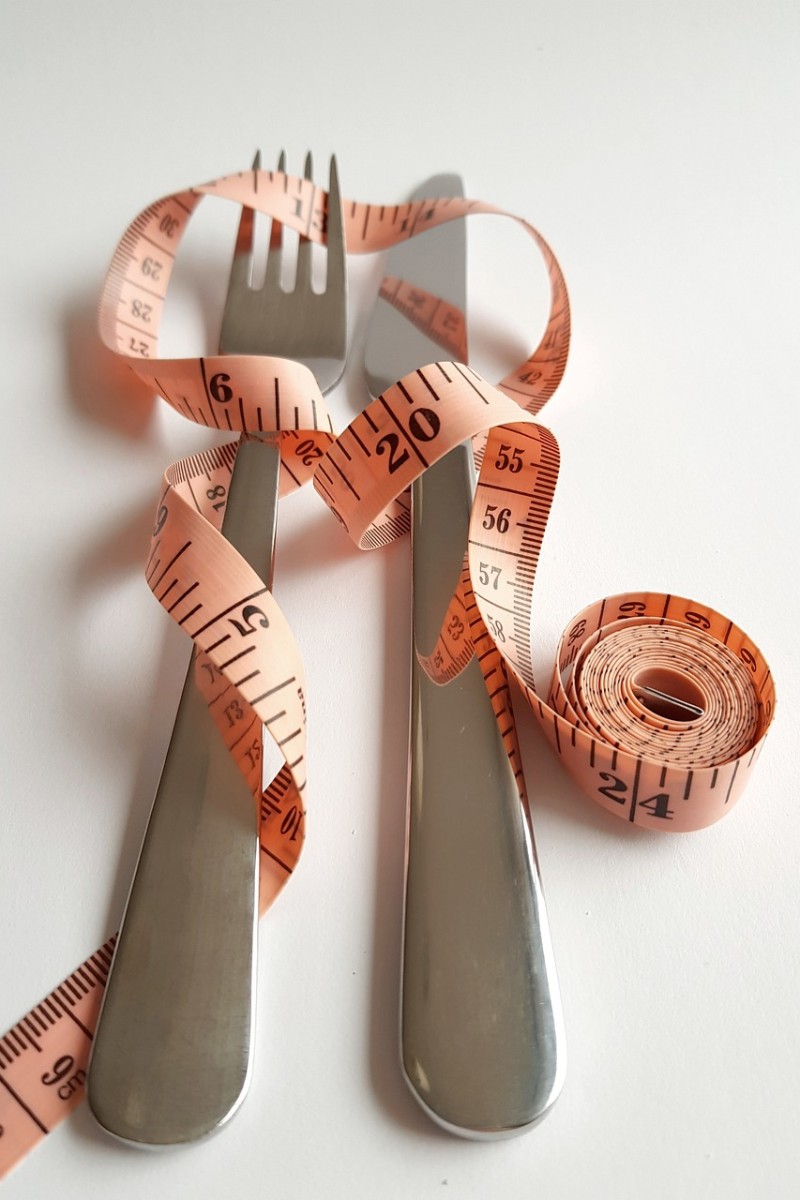
Here's the thing about losing weight—it's not complicated, but it's hard. Really hard. The weight loss industry wants you to believe there's a magic pill or secret trick. There isn't. But that doesn't mean you're doomed.
What I've learned after fifteen years of yo-yo dieting is that sustainable weight loss comes down to a few boring fundamentals. Sleep. Food. Movement. Stress. That's pretty much it. The problem is we keep looking for shortcuts instead of doing the unglamorous work.
The Simple Math Nobody Wants to Hear
Calories in, calories out. I know, I know. You've heard it a million times. But here's what most people miss—it's not about eating less, it's about eating better. Quality matters as much as quantity.
You can eat 1,200 calories of junk food and feel starving all day. Or you can eat 1,800 calories of real food and feel satisfied. Which one do you think you'll stick with?
I remember sitting in my kitchen years ago, weighing out 100 calories of almonds like some kind of scientist. Miserable. Then I switched to eating actual meals with protein, vegetables, and healthy fats. The weight started coming off without me white-knuckling it through every meal.
Sound familiar? You're not alone.
Real Food Beats Fake Food Every Time
Want to Lose Weight Naturally">lose weight? Stop eating things that come in boxes with health claims on them. Seriously. Those "low-fat" and "sugar-free" products are usually loaded with stuff your body doesn't know what to do with.
Here's what I eat now: eggs, chicken, fish, vegetables, fruit, rice, potatoes, olive oil, nuts. That's basically it. Nothing fancy. Nothing with a barcode. And I've never felt better.
But wait, you might be thinking—carbs? Potatoes? Aren't those bad? No. They're not. Your body needs fuel. The key is eating them in forms that actually nourish you, not in forms that spike your blood sugar and leave you hungry an hour later.
A friend of mine lost forty pounds just by cutting out soda and processed snacks. Didn't count a single calorie. Just swapped garbage for real food. That's the power of eating things that grew from the ground or walked on it.
Move More, But Not in Ways You Hate
I hate running. There, I said it. Always have. So for years I avoided exercise entirely because I thought that's what you had to do to lose weight.
Plot twist: it's not. You can walk. You can swim. You can dance badly in your living room. You can lift weights or do yoga or play frisbee with your dog. The best exercise is the one you'll actually do consistently.
Start small. Ten minutes a day. Then twenty. Then maybe you'll find something you genuinely enjoy. Or maybe you won't, and that's fine too—just keep moving in whatever way feels manageable.
Honestly, I'm not 100% sure exercise matters as much as food for initial weight loss. But for keeping it off? It's huge. Plus it makes you feel good, which matters more than the number on the scale.
Sleep and Stress: The Forgotten Pieces
Nobody talks about this enough. When you're sleep-deprived, your hunger hormones go haywire. You crave sugar and carbs. Your willpower tanks. It's a disaster waiting to happen.
Same with stress. Chronic stress raises cortisol, which tells your body to hold onto fat—especially around your middle. So even if you're eating perfectly, you might struggle if you're stressed out of your mind.
Here's what helps me: going to bed at the same time every night. Not looking at my phone for an hour before sleep. Taking walks outside. Deep breathing. Calling a friend. Simple stuff that actually works.
You can't out-diet poor sleep and constant stress. Trust me, I've tried.
Tracking Without Obsessing
Some people love food journals. Others find them soul-crushing. You need to figure out which camp you're in.
I tracked everything for about six months. It taught me a lot—like the fact that my "healthy" smoothie had more sugar than a candy bar. But eventually it became a prison. So I stopped.
Now I just check in with myself. Am I eating real food? Am I moving my body? Am I sleeping enough? If the answers are mostly yes, I'm good. If I'm gaining weight, I'll track for a week or two to recalibrate. Then I stop again.
Make sense? The goal is awareness, not obsession.
The Plateau Problem
You'll hit plateaus. Everyone does. The scale will stop moving even though you're doing everything right. It's frustrating as hell.
But here's the thing—your body adapts. It's designed to keep you alive, not help you fit into skinny jeans. So when you lose weight, your body burns fewer calories. That's just biology.
What works for me: changing something up. Eating more protein. Lifting heavier weights. Taking a rest week. Sometimes I just need to be patient and trust the process.
Plateaus are not failures. They're normal. Keep going.
Final Thoughts
Losing weight isn't about willpower or finding the perfect diet. It's about building habits you can actually live with. Some days you'll mess up. That's fine. Tomorrow is a new day.
I've lost and gained the same twenty pounds more times than I can count. But the times it stuck? Those were the times I focused on feeling good instead of looking a certain way. The weight came off as a side effect of taking care of myself.
So stop looking for shortcuts. Eat real food. Move your body. Sleep. Manage stress. Be patient. That's it. That's the secret. Now go live your life.