Why Comparing Weight Loss Methods Matters
Honestly, if you ask me, the weight loss industry is a mess. Everywhere you look, someone's selling a miracle. A pill. A tea. A 30-day challenge that promises abs by Friday. Sound familiar? I've been there — tried the shakes, bought the app, even did the whole 'no carbs after 6pm' thing. A friend of mine once lost 15 pounds on keto, gained back 20, then swore by intermittent fasting. Plot twist: she's now a calorie-counting devotee. So yeah, comparing options isn't just academic. It's survival.
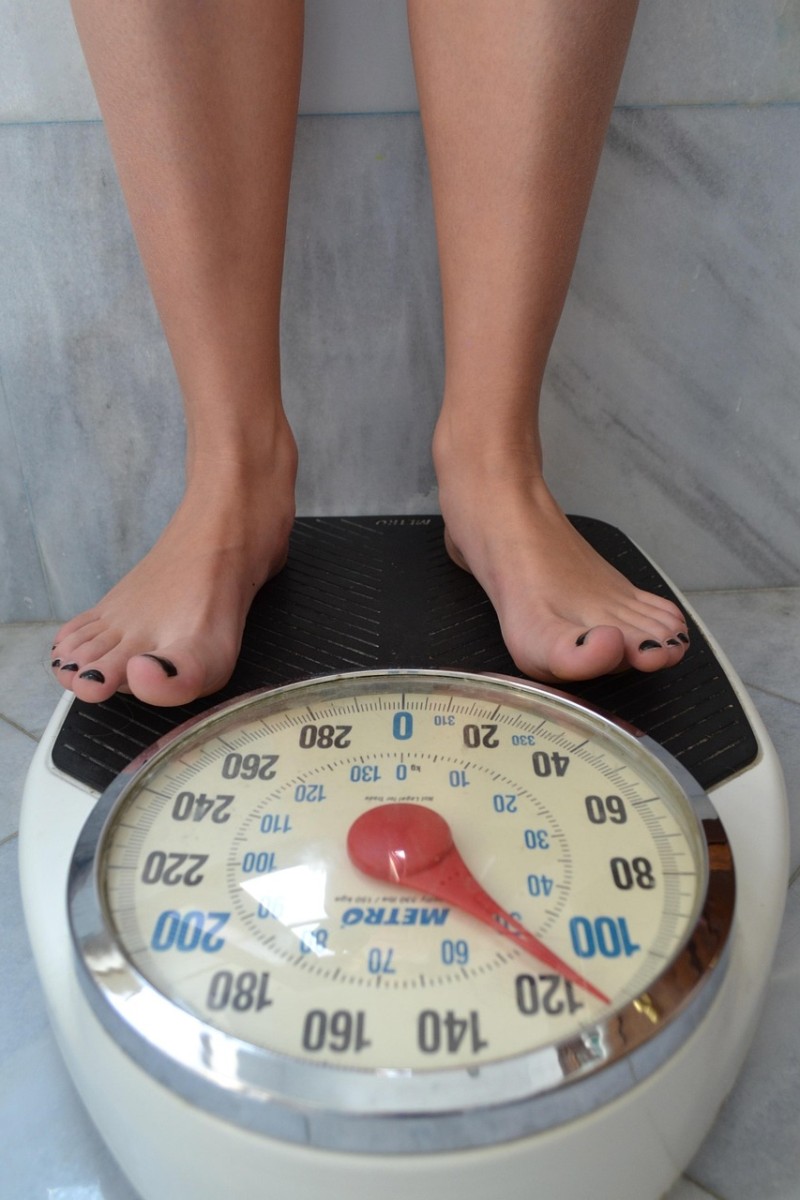
Here's the thing: no single method works for everyone. But some clearly work better for more people. That's what I'm digging into here — real-world effectiveness, sustainability, and how much suffering each approach demands. Because let's be honest, if it makes you miserable, you won't stick with it.
What I Compared (And Why)
I picked five approaches that cover the spectrum: from old-school tracking to modern medicine. Calorie counting, keto, intermittent fasting, weight loss apps, and prescription meds. Why these? Because they're the ones people actually ask about. I'm not 100% sure about every study out there, but from what I've seen — and from talking to friends, trainers, and one very blunt dietitian — these represent the main paths.
My criteria: does it produce results? Can you sustain it? How much misery? And cost, because money matters. I personally prefer methods that don't require a second mortgage.
Calorie Counting: The Old Faithful
Pros: It's simple math. Eat less than you burn, Lose Weight Naturally">Lose Weight Naturally">lose weight. No forbidden foods. You can eat pizza if you budget for it. Research consistently shows it works — not glamorous, but effective. Cons: Tedious. Weighing every almond gets old fast. And it doesn't teach you what to eat, just how much. Some people become obsessive. Best for: People who like data, structure, and flexibility. If you're a spreadsheet nerd, this one's yours.
I remember when my brother tried calorie counting. He lasted three weeks, lost five pounds, then quit because 'tracking every bite felt like a part-time job.' Fair point. But another friend has kept 30 pounds off for years with it. It depends on your personality.
Keto: The Fat-Burning Frenzy
Pros: Fast initial drop. Water weight flies off, which is motivating. Some people genuinely feel less hungry on high fat. It can help with blood sugar control. Cons: Restrictive. No bread, no pasta, no sugar — basically no fun. The 'keto flu' is real. And long-term adherence? Rough. Most people I know who tried it bailed within six months. Best for: Folks who love meat and cheese, don't mind giving up carbs, and can handle social awkwardness at birthday parties.
Speaking of which, I tried keto for a month. Lost eight pounds. Then I dreamed about bagels and caved. It's not a forever plan for most.
Intermittent Fasting: Timing Over Content
Pros: No food rules, just time windows. Simpler than counting calories for many. Some find it easier to skip breakfast than to eat smaller meals. Studies show it's about as effective as calorie counting. Cons: Hunger is real. Social life suffers if your eating window closes at 6pm. And if you binge during the window, you gain. Best for: People who hate tracking and don't mind feeling hungry for a few hours. I personally prefer 16:8 because it fits my schedule — but my wife thinks it's torture.
Weight Loss Apps: Tech to the Rescue?
Pros: Convenient. Logging is easier than pen and paper. Many apps offer community, coaching, and reminders. Some integrate with fitness trackers. Cons: Subscription costs add up. Quality varies wildly. Some apps push unhealthy extremes. And let's be real — an app can't stop you from eating the cookie. Best for: People who need structure, accountability, and like gamification. Just don't expect the app to do the work for you.
Prescription Medications: The Big Guns
Pros: Effective for many, especially those with obesity-related conditions. Newer drugs like semaglutide produce significant weight loss — 15% or more in trials. Cons: Side effects (nausea, vomiting), cost (often hundreds per month without insurance), and you likely need to stay on them to keep weight off. Not a quick fix. Best for: People with medical need, under a doctor's supervision. Not for vanity pounds.
The Verdict: My Pick for Most People
Here's my take: calorie counting, despite its boredom, blows the others out of the water for sustainability. Why? Because it teaches you portion awareness without banning foods. It's flexible, backed by decades of research, and free. Keto and fasting are tools, not religions. Apps help but aren't magic. Meds are powerful but serious.
But wait — what about combining them? Honestly, the best approach might be calorie counting with an app for tracking. That combo gives you structure and flexibility. For some people, intermittent fasting is easier because it removes decisions. For others, keto works short-term. There's no universal winner, but if I had to pick one for the average person? Calorie counting. It's not sexy, but it works. And that's what matters.