The Dressing Room Mirror Meltdown
On October 14, 2022, I stood in a dimly lit Target dressing room and nearly burst into tears. I was trying on a pair of navy chinos for a friend’s wedding, and the button didn't just feel tight—it felt like a loaded spring ready to take someone’s eye out. I remember the specific smell of that dressing room, a mix of new polyester and industrial floor cleaner, and the way the fluorescent lights highlighted every single curve I was trying to hide. I was 31, out of breath from just walking through the parking lot, and staring at a reflection I didn't recognize anymore. Honestly, it was humiliating. I had spent the last three years telling myself that I’d 'get back to it' once life calmed down, but life never calmed down. I just got bigger.
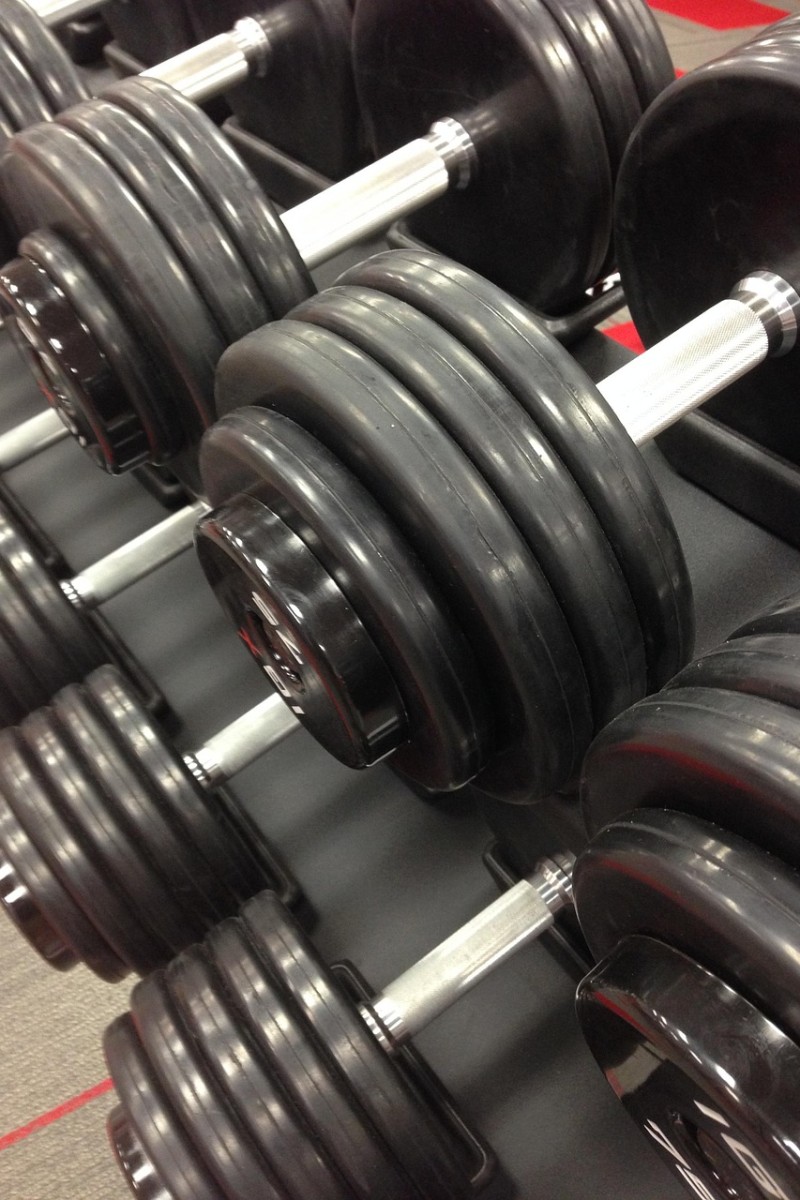
I bought the pants anyway, one size up from what I thought I was, and walked out feeling like a total failure. My first instinct was to drive straight to the nearest high-end gym and sign my life away to a contract. That’s what we’re taught to do, right? You get a membership, you buy the neon shoes, and suddenly you’re a 'fitness person.' But here is the thing: I’ve done that four times before. Each time, I’d go for a week, feel judged by the guys in stringer tanks, and eventually stop going while the $80 monthly fee continued to drain from my bank account like a slow leak. I knew I couldn't do the gym thing again. It just wasn't me.
The $80 Monthly Donation to Planet Fitness
Looking back, my history with gyms was basically a series of expensive breakups. I’m not 100% sure why I thought this time would be different, but I felt this massive pressure to 'do it right.' To me, 'doing it right' meant CrossFit or a personal trainer who screamed at me while I did burpees. But the thought of it made my stomach turn. I remember sitting in my kitchen that night, eating a slice of lukewarm pepperoni pizza, and realizing that my environment was the problem, not my lack of a membership. Well, sort of. My laziness was the problem too, if I’m being real with you.
I decided to cancel my standing membership—the one I hadn't used since the previous Christmas. The guy at the front desk gave me that pitying look, you know the one? The 'see you in six months' smirk. It fueled a weird kind of spite in me. I told myself I’d find a way to make weight loss without a gym work, even if it meant I was just pacing my tiny Portland apartment. I didn't need a squat rack to stop eating pizza at midnight. Or so I hoped.
The Rainy Tuesday Walk That Changed Everything
It started with a walk. Just one. It was a Tuesday, and it was drizzling—that classic Pacific Northwest mist that isn't quite rain but gets you soaked anyway. I put on an old pair of sneakers and walked to the end of my block. That was it. My lungs burned a little, which was pathetic, but I did it. The next day, I went two blocks. By the end of the month, I was walking three miles every single morning before I even opened my laptop for work.
There’s something about being outside that hits differently than a treadmill. I started noticing the weird gargoyle statue on my neighbor's porch and the way the air smelled like wet cedar. It wasn't 'exercise' in my head; it was just me-time. No mirrors, no clanging weights, no one watching me sweat. Just me and my podcasts. This was the first time I realized that movement didn't have to be a punishment. Does that make sense? For years, I viewed the gym as a penalty for what I ate. Now, walking was just something I did because I liked the way my head felt afterward.

The 3 P.M. Crisis and the Grocery Aisle Revelation
Now, here is where it gets interesting. You can walk until your shoes fall apart, but if you're still eating like a teenager with a high metabolism, nothing changes. I hit a plateau about six weeks in. I was stuck at 215 pounds, and the scale wouldn't budge. I was frustrated, bordering on 'forget this, give me a donut' territory. Then I noticed my 3 P.M. crisis. Every single day, like clockwork, I’d hit a slump and find myself in the kitchen cabinets. I wasn't even hungry; I was just bored and tired of staring at spreadsheets.
I started doing this thing I call the 'Grocery Aisle Audit.' I stopped buying anything that came in a crinkly plastic bag. If it crinkled, it stayed on the shelf. I filled my cart with apples, eggs, big tubs of Greek yogurt, and those massive bags of frozen broccoli. It was boring at first. Actually, let me rephrase—it was boring for exactly four days. Then, my taste buds kind of recalibrated. A honeycrisp apple started tasting like a candy bar. I’m not even joking. I found that by keeping the 'trigger foods' out of my house, I didn't have to use willpower. I’m too lazy to drive to the store for chips at 9 P.M., so I just didn't eat them. It was weight loss by design, not by effort.
What Actually Works (and What Doesn't)
I learned the hard way that there’s a lot of noise out there. People want to sell you tea, waist trainers, and $200 workout programs. Honestly, most of it is garbage. I wasted $40 on a 'fat-burning' supplement that just made me jittery and kept me awake until 3 A.M. checking my pulse. Never again. If you're curious about how the 'No Gym' life compares to the traditional route, here’s what I found during my journey:
| The Challenge | The Gym Way | My 'No Gym' Reality |
|---|---|---|
| Cost | $50–$150/month | $0 (Saved money on groceries too) |
| Time | 15 min drive + 60 min workout | 0 min commute (Just walked out the door) |
| Mental State | Anxious, judged, rushed | Peaceful, focused, consistent |
| Sustainability | I quit every 3 months | Still going after 18 months |
The table doesn't even show the best part: the flexibility. If I had a busy day, I’d just do 20 minutes of bodyweight squats and lunges in my pajamas while watching Netflix. No one cared. No one saw me stumble. I was competing with the me from yesterday, not the guy bench-pressing 300 pounds next to me.
The Unexpected Lesson About Hunger
By March 2023, I had lost 40 pounds. I went back to that Target, bought those navy chinos in a size smaller than my original goal, and they fit perfectly. But the biggest discovery wasn't the clothes. It was learning the difference between physical hunger and 'emotional noise.' I used to eat because I was stressed, sad, or even happy. Now, I check in with myself. I ask, 'Am I hungry enough to eat a plain hard-boiled egg?' If the answer is no, I’m not hungry; I’m just looking for a hit of dopamine.
I’ve had setbacks, of course. Last Thanksgiving, I basically ate my body weight in mashed potatoes and didn't walk for three days. I felt like garbage. But instead of spiraling and quitting—which is what I used to do—I just put my shoes on Friday morning and went for a walk. That’s the secret. It’s not about being perfect; it’s about being impossible to discourage. Weight loss without a gym isn't a shortcut; it's a lifestyle shift that happens in the quiet moments of your own home. It’s choosing the stairs, it’s the apple over the chips, and it’s the consistency of showing up for yourself when no one is watching. You don't need a membership for that. You just need to start.