The 3 P.M. Crisis
Last Tuesday, I almost made a huge mistake. I was sitting at my desk, staring at a pile of laundry that had been there for three days, and I thought, 'Maybe I should just accept that I'm not a workout person.' I'll be honest, I was skeptical about the whole 'exercise will change your life' thing. I'd tried running once. My knees filed a formal complaint. So when my friend Maya suggested we try a beginner workout class together, I almost said no. Almost.
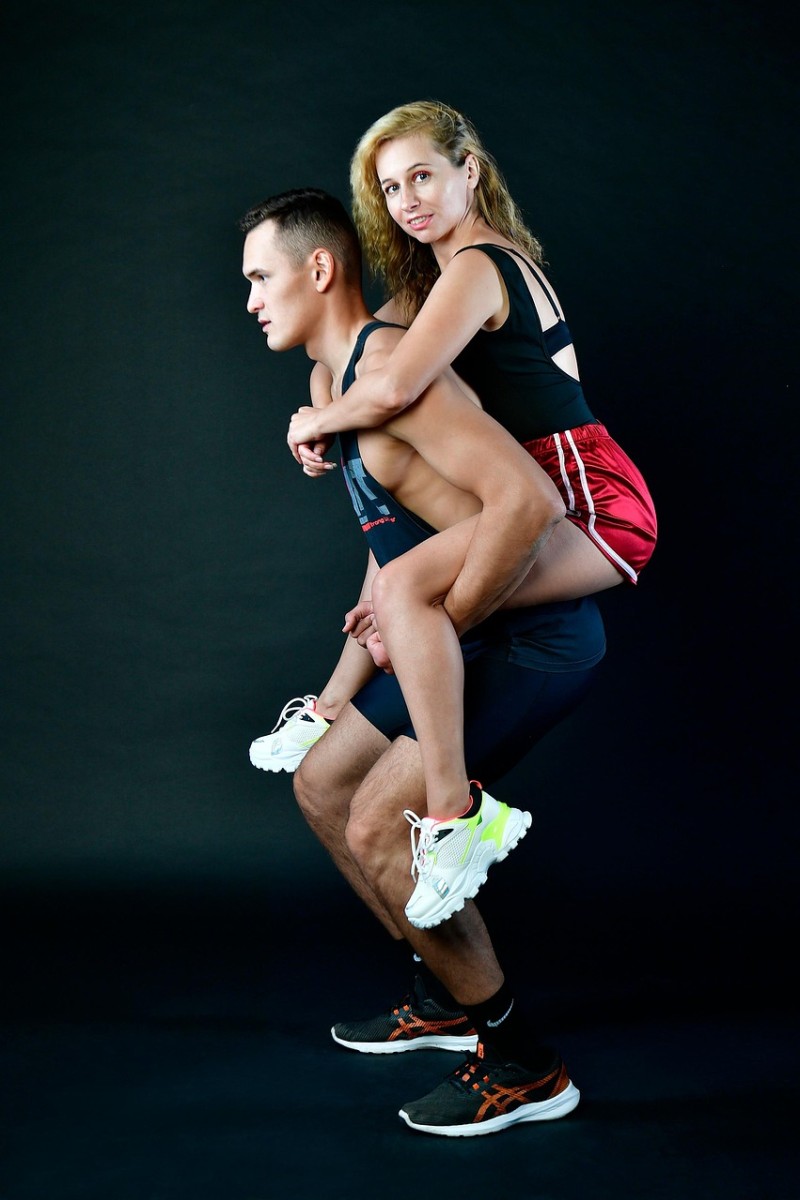
But here's the thing: she didn't say 'bootcamp' or 'HIIT' or any of those words that make me want to hide under a blanket. She said 'low impact.' I didn't know what that meant, exactly. I pictured tai chi in a park with seniors. Not that there's anything wrong with that. But I'm 34, and I wanted to feel like I was actually doing something.
The Grocery Aisle Revelation
That Saturday, I ran into Maya at the grocery store. She was buying those little yogurt cups and a bag of frozen mango. I asked her what 'low impact' really meant. She laughed. 'It means you don't jump around like a lunatic,' she said. 'You keep one foot on the ground. Your joints don't hate you afterward.'
Something clicked. I'd always thought workouts had to be painful to count. But Maya explained that low impact workouts for beginners are basically any movement that's gentle on your joints—walking, swimming, cycling, even dancing. The goal isn't to destroy yourself. It's to move consistently.
I went home and did some digging. Turns out, there's a whole world of low impact options. And no, you don't need fancy equipment or a gym membership. You just need a pair of shoes and maybe a water bottle.
The First Step (Literally)
Monday morning, I laced up my sneakers and went for a walk. Not a power walk. Just a walk. I felt kind of silly at first, like I wasn't 'really' exercising. But by the time I got home, I was slightly sweaty and weirdly proud. I'd moved for 30 minutes without wanting to die. That was new.
The next day, I tried a beginner yoga video on YouTube. I fell over twice. But I also laughed. And my back didn't hurt for the first time in weeks. Speaking of which, I had no idea how much tension I was carrying until I started stretching.
By the end of the week, I'd tried three different things: walking, yoga, and a low impact cardio dance class (also on YouTube). The dance class was hilarious. I looked like a baby giraffe. But you know what? I kept going. Because here's the secret: low impact workouts for beginners aren't about being good at them. They're about showing up.
The Taste Test That Changed Everything
Two weeks in, I noticed something weird. I was sleeping better. My mood had lifted. And I actually looked forward to my morning walk. That's when I realized: low impact workouts for beginners work because they're sustainable. You don't burn out. You don't get injured. You just build a habit.
I'll be honest, I was still skeptical about the 'results' part. Would I actually get fitter? Maya sent me an article about how low impact workouts can still improve cardiovascular health and build strength—especially if you add resistance bands or light weights. So I bought a set of bands for $12. Game changer.
Now here's the thing: not all low impact workouts are created equal. Some are too easy (I'm looking at you, 10-minute stretching video that was basically a nap). Some are secretly high impact (jump squats? No thanks). The sweet spot is finding something that gets your heart rate up without pounding your joints.
What Actually Works (and What Doesn't)
After a month of experimenting, I've got a pretty good sense of what works for a beginner. Walking is the MVP. It's free, it's accessible, and you can do it anywhere. Swimming is amazing if you have access to a pool—zero impact on your joints. Cycling (stationary or outdoor) is great for building endurance. Yoga and pilates are fantastic for flexibility and core strength. And low impact dance cardio? It's the most fun you'll have while looking ridiculous.
What doesn't work? Anything that makes you dread getting out of bed. I tried a 'gentle' aerobics class that was so boring I wanted to scream. I also tried a low impact workout that was actually just stretching for 45 minutes. Not my thing. The key is to mix it up and find what feels good.
The Unexpected Lesson About Progress
Here's where it gets interesting. After six weeks, I stepped on the scale. No change. I almost gave up. But then I realized something: I could walk up the stairs without getting winded. I could touch my toes. My posture had improved. The scale doesn't measure everything.
Low impact workouts for beginners aren't about quick fixes. They're about building a foundation. And honestly? That's more valuable than a number on a scale. I'm not 100% sure where this journey will take me, but I know I'll keep moving. Because for the first time in my life, working out doesn't feel like punishment. It feels like a choice.
Your First Week Blueprint
If you're where I was a month ago—skeptical, tired, and maybe a little scared—here's a simple plan. Day 1: 20-minute walk. Day 2: 15-minute beginner yoga video. Day 3: rest or gentle stretching. Day 4: 20-minute low impact cardio (dance or cycling). Day 5: 20-minute walk. Day 6: 15-minute resistance band workout. Day 7: rest. That's it. No pressure. No fancy gear. Just movement.
And remember: low impact doesn't mean low effort. It means smart effort. Your joints will thank you. Your future self will thank you. And who knows? You might actually enjoy it.
| Workout | Best For | Equipment Needed | Time Commitment |
|---|---|---|---|
| Walking | Everyone | Comfortable shoes | 20-30 min |
| Swimming | Joint pain | Pool access | 20-30 min |
| Cycling | Endurance | Bike or stationary bike | 20-30 min |
| Yoga | Flexibility | Mat (optional) | 15-20 min |
| Dance cardio | Fun | None | 20 min |