Why Most Low Calorie Desserts Fail
After 10 years in this field—first in restaurant pastry kitchens, then developing recipes for a food magazine—I've watched hundreds of low calorie desserts fail. Not because people lack discipline. Because the recipes are bad. They rely on weird gums, taste like sweetened air, and leave you rummaging through the pantry twenty minutes later. Sound familiar?
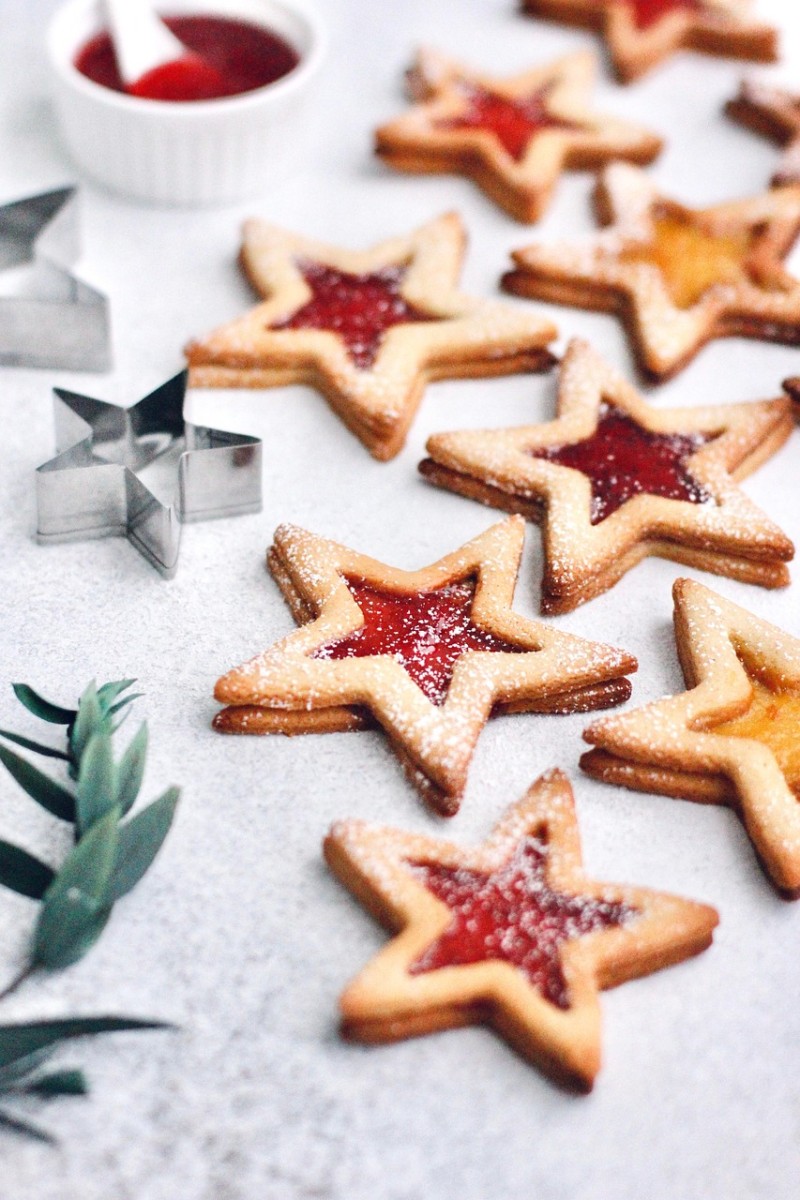
Here's the thing: a dessert under 150 calories can be genuinely good. But you need to understand what makes desserts work in the first place. Fat carries flavor. Sugar provides structure and browning. Remove both carelessly and you get sadness on a plate.
So let's fix that.
The Ingredient Swaps That Actually Work
I'm not going to tell you to replace butter with applesauce. That advice has ruined more baked goods than I care to count. Applesauce adds moisture but zero richness, and your cake ends up gummy. Instead, try this: swap half the butter for Greek yogurt (2% or whole, not fat-free). You keep some fat for flavor, gain protein, and lose about 40 calories per tablespoon of butter replaced. I've used this in coffee cakes and muffins with maybe a 10% texture penalty—barely noticeable.
For chocolate desserts, cocoa powder is your friend. It's nearly fat-free and intensely flavored. A tablespoon of cocoa has about 12 calories versus 100+ for an equivalent amount of melted chocolate. I remember when a colleague showed me a chocolate mousse made with whipped Greek yogurt, cocoa, and a touch of honey. Honestly? It was better than my full-fat version. Well, sort of. It was different, but in a good way.
Speaking of which—egg whites. Replacing one whole egg with two egg whites saves about 60 calories and adds protein. But here's where it gets interesting: whipped egg whites also add air and structure. That's why angel food cake exists. Use that principle.
Texture Is Everything
Low calorie desserts live or die by texture. A mushy brownie is worse than no brownie. So pay attention to crunch and chew.
Add toasted nuts or seeds in small amounts—a teaspoon of chopped pistachios on top of a yogurt parfait adds maybe 15 calories but completely changes the eating experience. Same with a sprinkle of flaky sea salt. It tricks your brain into perceiving richness.
Another trick I picked up from a pastry chef in Lyon: use a tiny amount of gelatin or agar to set desserts. A properly set panna cotta made with 2% milk and a splash of cream feels indulgent. A loose, watery one feels like a diet food. The gelatin costs you nothing calorie-wise.
Sweetener Reality Check
I'm not 100% sure why so many recipe developers pretend artificial sweeteners taste identical to sugar. They don't. Some have bitter aftertastes. Some bake weirdly. But here's what I've seen work: blends.
Use half sugar and half a sweetener like erythritol or monk fruit. You cut calories significantly while keeping some of sugar's browning and structure. For no-bake desserts, allulose is my go-to—it caramelizes and has almost no aftertaste. It's pricey, but a bag lasts months.
One warning: don't use stevia in baked goods unless the recipe is designed for it. The bitterness concentrates when heated. I learned that the hard way with a batch of cookies that tasted like medicine.
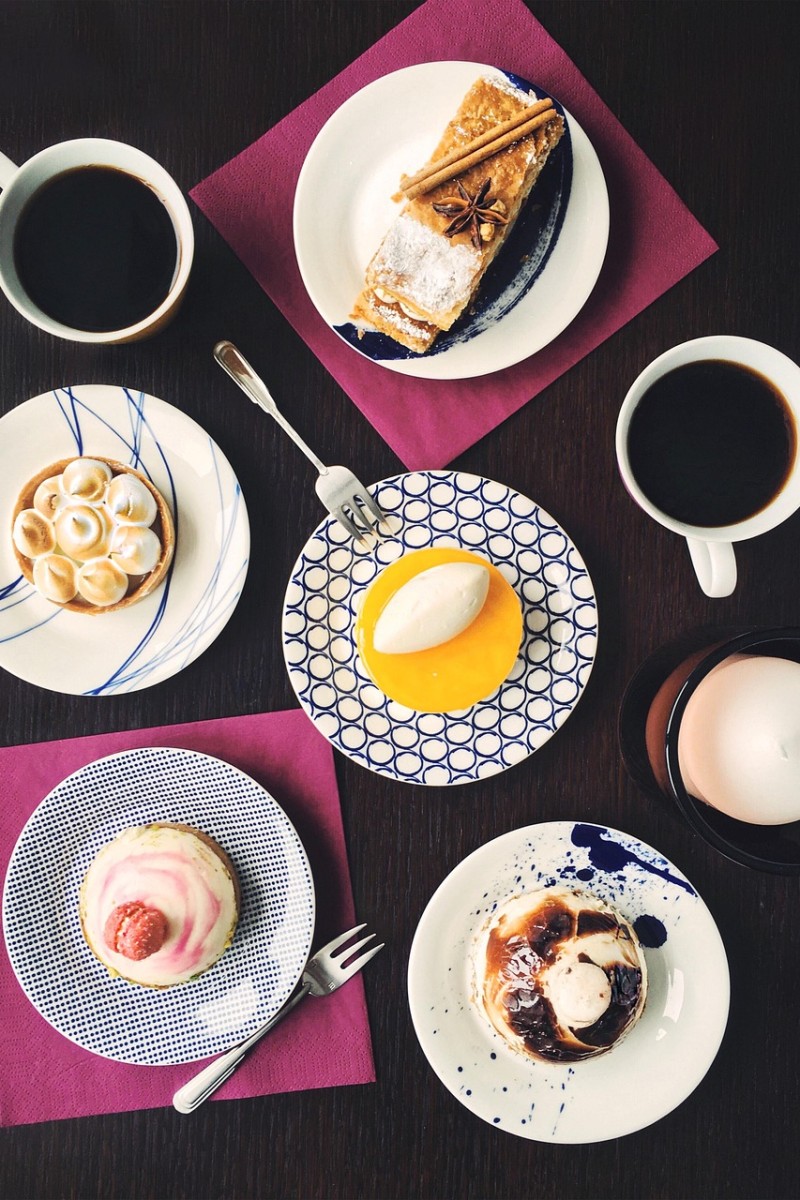
Portion Strategy That Beats Willpower
If cravings strike mid-afternoon rather than after dinner, pairing satisfying low calorie snacks with fresh fruit gives you instant satisfaction without guilt.
Here's a number that surprised me: a standard muffin recipe makes 12 muffins at about 350 calories each. Make 24 mini muffins instead and you get the same recipe at roughly 175 calories per piece. People feel more satisfied eating two mini muffins than one regular one. It's a head game, but it works.
Same with brownies. Cut them smaller. Use a shot glass as a cookie cutter. Serve dessert in ramekins instead of bowls. The container shapes the perception.
Make sense? Good. Because the final piece is the most practical.
My Go-To Formula for Low Calorie Desserts
Here's the template I use constantly: a base of Greek yogurt or whipped cottage cheese, a flavor agent (cocoa, citrus zest, vanilla bean paste, espresso powder), a small amount of real sweetener, and a texture topper (nuts, dark chocolate shavings, crushed freeze-dried fruit).
That formula gives you a dessert in under 5 minutes, usually under 150 calories, and it doesn't taste like punishment. A friend of mine—a skeptical guy who once called low calorie desserts 'sad'—now makes a version with espresso powder and dark chocolate shavings every night.
Plot twist: none of this requires special ingredients from a health food store. Greek yogurt, cocoa, eggs, gelatin, nuts. That's it.
Frequently Asked Questions
Can low calorie desserts actually taste good? Yes, but only if you respect fat, texture, and flavor intensity. Cut calories carelessly and you'll get bland, gummy results.
Are artificial sweeteners safe for baking? Some are, some aren't. Allulose and erythritol blends work best. Avoid stevia in heated recipes unless specified.
What's the biggest mistake people make? Replacing all the fat with fruit puree. Use half-and-half swaps instead.
Do I need special equipment? A whisk, a mini muffin tin, and a shot glass for portioning. That's about it.
How many calories should a low calorie dessert have? I aim for 100-180. Below 100 and it usually feels like a snack, not dessert.