Why Most Diets Fail (And Why It's Not Your Fault)
I remember sitting on my couch, staring at a half-eaten bag of chips, wondering why I couldn't just stick to a diet for more than a week. Sound familiar? You're not alone. Honestly, the diet industry is kind of a mess. They sell you hope in a box, and when it doesn't work, they blame you.
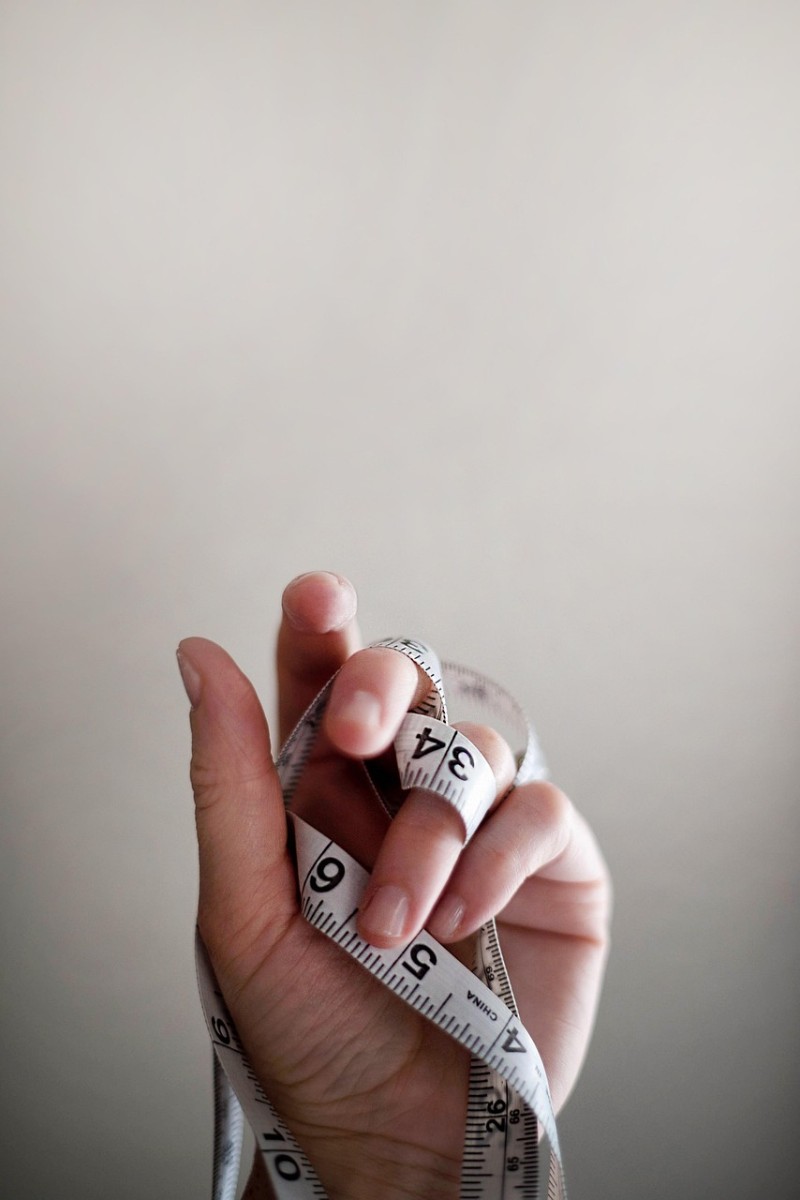
Here's the thing. Most diets fail because they're too extreme. They ask you to cut out entire food groups, count every single calorie, or drink nothing but lemon water for days. That's not sustainable. And you know what? Sustainable is the only thing that matters when it comes to losing weight.
I'm not a doctor. I'm not a nutritionist. But I've lost 40 pounds over two years, kept it off, and I did it without ever feeling like I was on a "diet." So let me share what actually worked.
The Simple Math Nobody Wants to Hear
Losing weight comes down to one basic idea: you need to burn more calories than you take in. That's it. That's the whole secret. But wait, I know that sounds oversimplified. It kind of is, but it's also the truth.
You don't need a fancy app or a $200 meal plan. You just need to eat a little less and move a little more. The problem is, we want it to be complicated. We want a magic pill. We want to lose 20 pounds by Friday. Well, that's not happening.
Start small. Maybe swap your afternoon soda for sparkling water. Take the stairs instead of the elevator. Walk for ten minutes after dinner. These little things add up more than you'd think.
Food That Keeps You Full, Not Hangry
Ever notice how you can eat a whole bag of pretzels and still feel hungry? Yeah, me too. That's because pretzels are basically empty calories. They don't do anything for you.
Here's what does: protein, fiber, and healthy fats. Eggs, chicken, beans, Greek yogurt, nuts, avocado. These foods keep you full longer, so you're not raiding the pantry at 9 PM. I'm not saying you can never have a cookie. I'm saying you shouldn't build your whole day around them.
One thing I started doing was adding a vegetable to every meal. Even breakfast. Sounds weird, but it works. Spinach in my eggs, tomatoes on my toast. It's not hard, and it makes a difference.
Speaking of which, don't drink your calories. Soda, juice, fancy coffee drinks — they add up fast. I switched to black coffee and water, and I probably cut 300 calories a day without even trying.
Move More, But Not Like a Maniac
You don't have to run a marathon. You don't have to do CrossFit. Honestly, you don't even have to go to the gym if you don't want to. The best exercise is the one you'll actually do.
I started with walking. Just walking. Twenty minutes a day, around my neighborhood. Then I added some light weights. Nothing crazy. Now I do a mix of walking, yoga, and occasional strength training. It's not glamorous, but it works.
Find something you don't hate. Maybe it's dancing in your living room. Maybe it's swimming. Maybe it's chasing your kids around the park. It all counts.
And here's a tip: don't sit for too long. Get up every hour or so. Stretch. Walk to the kitchen for water. It's not exercise, but it's not nothing either.
Sleep: The Weight Loss Secret You're Ignoring
I used to think sleep was for lazy people. I'd stay up late, scroll on my phone, and then wonder why I was starving the next day. Then I learned something: lack of sleep messes with your hunger hormones. You eat more, you crave junk, and your metabolism slows down.
Now I aim for seven to eight hours. Is it perfect? No. But it's better. And when I sleep well, I make better food choices. It's a chain reaction.
So turn off the screens an hour before bed. Read a book. Take a bath. Do whatever helps you wind down. Your waistline will thank you.
The Mental Game Nobody Talks About
Losing weight isn't just physical. It's mental. It's emotional. It's about how you talk to yourself when you slip up.
I used to beat myself up over every little mistake. Ate too much at dinner? I'd call myself a failure. Missed a workout? I'd decide the whole week was ruined. That's a terrible way to live.
Now I just move on. Had a big lunch? Okay, I'll have a lighter dinner. Skipped the gym? Fine, I'll walk extra tomorrow. No guilt. No drama. Just course correction.
You're not perfect. I'm not perfect. Nobody is. And that's okay.
What I Wish I Knew Earlier
I wish I'd known that losing weight doesn't have to be miserable. I wish I'd known that small changes matter more than big dramatic ones. I wish I'd known that the scale isn't the only measure of progress.
Take photos. Measure your waist. Notice how your clothes fit. Notice how you feel. Those things matter more than a number.
And please, don't compare yourself to people on Instagram. Their lives aren't real. Their bodies aren't realistic goals. Focus on you.
You've got this. Start small. Be patient. And for goodness' sake, cut yourself some slack. You're doing fine.