Why These High Protein Meal Prep Questions Matter
Walk into any gym locker room and you'll hear a dozen opinions about protein. Most of them are wrong, or at least half-wrong. I've watched friends spend $200 a month on powders while eating cereal for dinner. That's backwards.
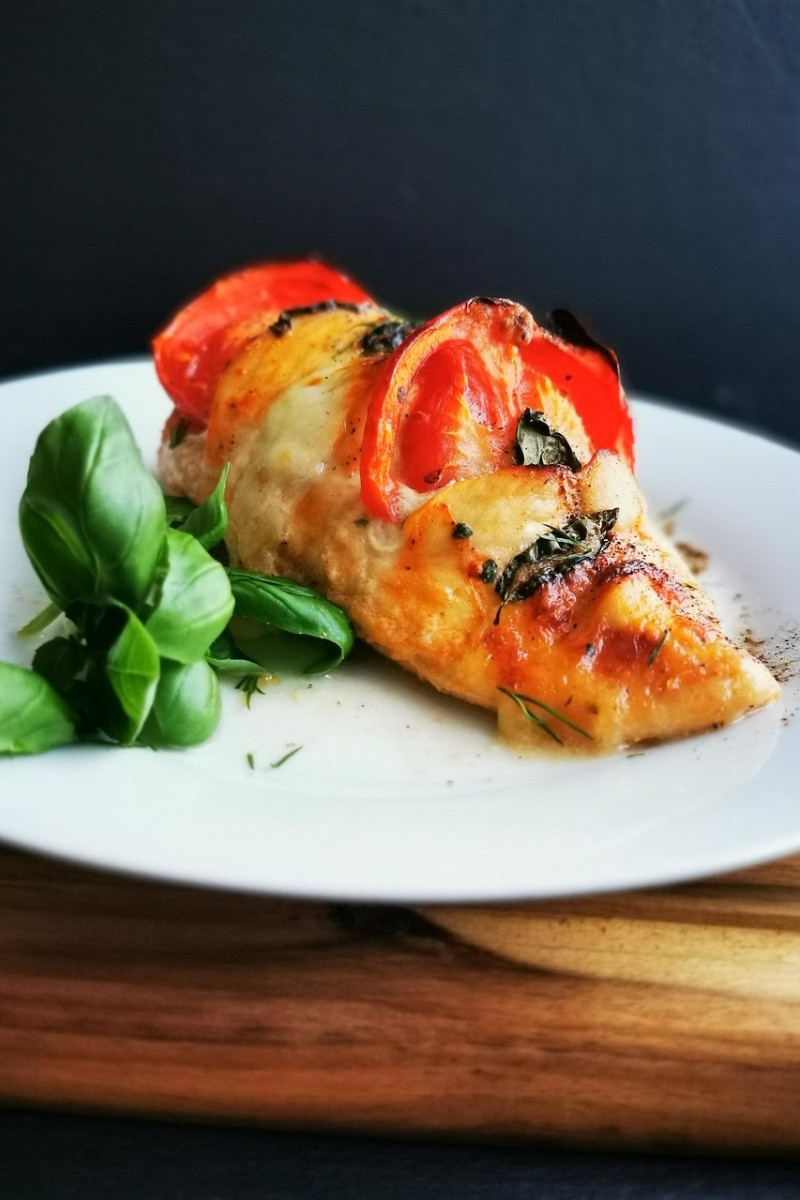
High protein meal prep fixes that. But only if you know what you're doing. So here are the questions I actually get asked — and straight answers to match.
So What Exactly Counts as High Protein Meal Prep?
Short version: it's cooking protein-forward meals in batches ahead of time. Think grilled chicken, lentils, eggs, Greek yogurt, that kind of thing.
But here's where people get confused. A meal isn't "high protein" just because it has some meat in it. Honestly, most people get this wrong. A chicken wrap with 15g of protein isn't high protein — it's a carb delivery system with chicken as a garnish. For a meal to qualify, aim for at least 25-30g of protein per serving, ideally closer to 35-40g if you're lifting or over 40. That's roughly a palm-sized portion of meat plus a secondary source like beans, cheese, or eggs. Build the plate around protein first, then add vegetables and carbs around it. Flip the order and you'll end up with pasta with a sad chicken strip on top. Sound familiar?
How Much Protein Do You Actually Need Per Meal?
Depends on your size, goals, and how often you eat. General rule of thumb: 1.6-2.2g per kilogram of body weight daily if you're active. Split across 3-4 meals, that's 30-50g per sitting.
I hear this question a lot, and people usually underestimate. A 180lb guy lifting four times a week needs somewhere around 130-160g daily. That's not happening with three eggs at breakfast. You need deliberate, planned portions — which is exactly why prepping works. For sedentary folks or lighter bodies, 20-30g per meal is plenty. And no, your body doesn't absorb "only 30g per meal" — that myth needs to die. Older studies on fasted subjects got misquoted for decades. Your gut handles more than you think.
Which Proteins Hold Up Best in the Fridge?
Chicken thighs beat breasts. That surprised me too, but thighs stay juicy for four days while breasts turn to cardboard by day three.
Other winners: ground turkey, hard-boiled eggs, Greek yogurt, cottage cheese, canned tuna, lentils, and firm tofu. Salmon works if you eat it within two days. Shrimp? Skip it — it gets rubbery fast. And here's a trick I picked up from a friend who runs a meal prep company: cook proteins slightly under your target temp. They finish cooking in the microwave and don't dry out. Also, store sauces separately. A prepped bowl drowning in sauce turns soggy and sad by Wednesday. Trust me on that one.
Wait, Does Meal Prep Mean Eating the Same Thing All Week?
No, and this is the myth that kills motivation. You can prep components, not finished meals.
Cook a big batch of protein, roast two trays of vegetables, make a pot of rice or quinoa, and mix and match through the week. Monday is chicken and rice. Tuesday is the same chicken in a salad with different dressing. Wednesday, tacos. Same prep session, three totally different plates. That said, if you're the type who genuinely doesn't mind eating identical lunches five days straight — go for it. Some people thrive on that monotony. Just don't force it if you're not one of them. Variety costs you almost nothing when you prep ingredients separately.
How Long Do Prepped Meals Actually Stay Safe?
Cooked meat and poultry: three to four days in the fridge. Seafood: two days, max. Cooked grains and legumes: four to five days.
Freeze anything you won't eat by day four. And cool your food properly before sealing containers — putting warm food straight into the fridge creates condensation, which is basically a bacteria petri dish. Spread it on a tray, let it hit room temp within an hour, then portion it out. That's the safe window. Also, your fridge should sit at 40°F or below. Most people's runs warmer than they think. Grab a cheap thermometer and check it. Boring advice, but it prevents a very unpleasant Thursday.
Is It Cheaper Than Ordering Out or Buying Fresh Daily?
Almost always, yes. Rice, beans, eggs, chicken thighs, oats, and frozen vegetables are among the cheapest calories per dollar in any grocery store.
Rough math from my own kitchen: a week of high protein lunches costs me around $30-40 when I prep. Buying the equivalent at a casual lunch spot runs $70-90. That's real money. The catch is you need to buy in bulk and actually use what you buy. Nothing burns a budget faster than wilted spinach and forgotten chicken. Plan your meals around what's on sale, freeze your proteins, and stop buying specialty powders you'll use twice. Whole food protein is cheaper and, frankly, more satisfying.
What About Carbs and Fats — Do They Matter Here?
They matter, but they're not the headline act. Protein gets the attention because it's the hardest macro to hit.
That said, don't skimp on fats. They carry flavor and keep you full. Olive oil, avocado, nuts, full-fat yogurt — use them. Carbs are your training fuel, so if you're active, don't fear rice or potatoes. The mistake I see constantly is people going low-fat and low-carb at the same time while chasing protein. That's a miserable plate of food, and miserable food doesn't get eaten. Balance it out: protein anchor, generous vegetables, a fist of carbs, a thumb of fat. That formula works for almost everyone.
Why Do People Quit Meal Prep After Two Weeks?
Two reasons. They overcomplicate it, or they prep food they don't actually want to eat.
Sunday arrives, they spend five hours cooking twelve elaborate meals, and by Wednesday they're sick of everything. Plot twist: you don't need twelve meals. Start with four portions of one protein and one side. That's a 45-minute session. Also — and this one's personal — prep food you'd order at a restaurant, not "diet food" you're tolerating. If you hate plain boiled chicken, don't prep plain boiled chicken. Season it. Marinate it. Nobody's grading you on austerity. Consistency beats intensity every single time with this stuff.
Do You Need Supplements If You Prep Properly?
Probably not. If you're hitting 30-40g of real protein per meal across three meals, you're covering your bases.
Powder is convenient, not magic. I keep a tub around for busy mornings, but it's a backup, not a foundation. Food gives you micronutrients, fiber, and satiety that shakes don't. From what I've seen, most people buying three supplements are actually under-eating real food. Fix the plate first. If your meals are dialed in and you're still short on target — say you're a big guy needing 180g daily — then a shake or two makes sense. Otherwise, spend that money on better groceries.
What's the Fastest Way to Start This Weekend?
Pick two proteins, two vegetables, one carb. Cook them all Sunday. Portion into containers. Done.
Seriously, that's it. Chicken thighs and ground turkey. Roasted broccoli and peppers. Rice. You've got eight meals and about 90 minutes of work. Next weekend, add one new recipe. Build the habit before you build the variety. The people who succeed at this aren't the ones with the fanciest plans — they're the ones who kept showing up with decent food in the fridge. Start small. Stay consistent. Adjust as you go.