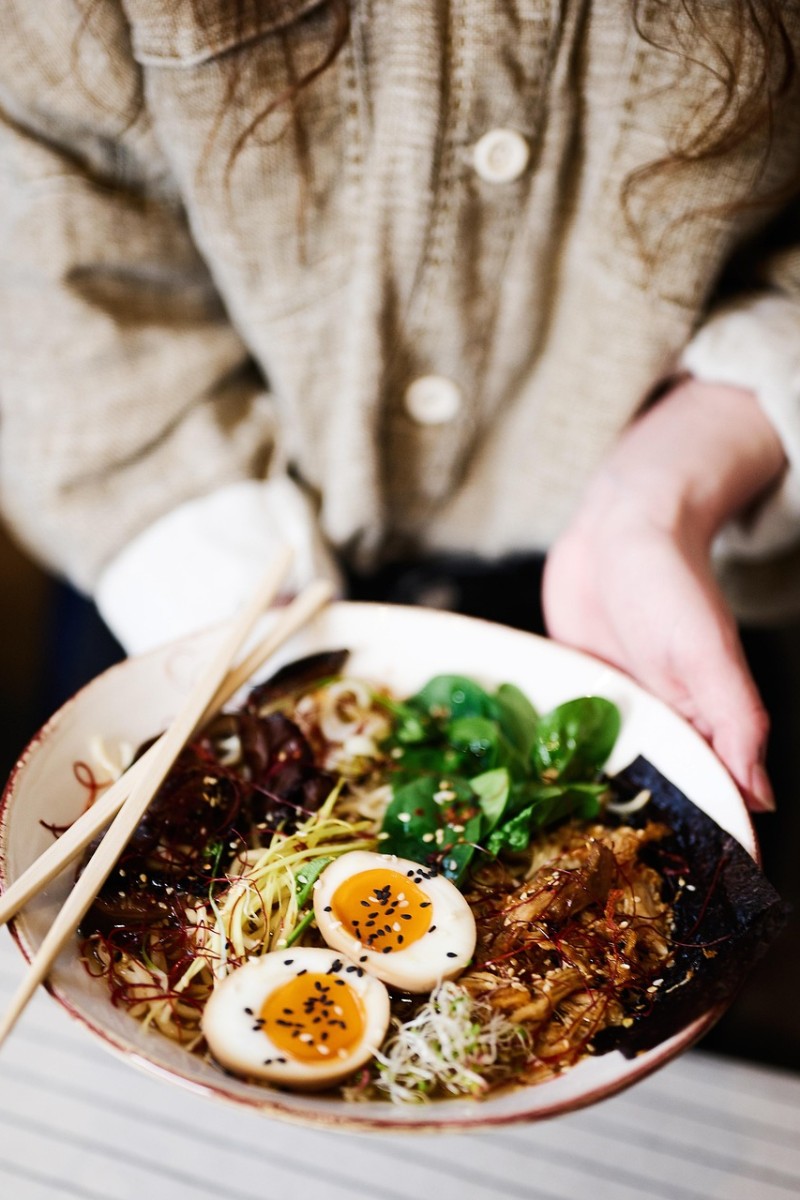
A no-nonsense listicle of 9 practical, evidence-based fat loss meal plan tips—covering protein timing, carb cycling, meal prep shortcuts, and mindset hacks—designed to help you lose fat without losing your sanity.
I used to think protein was just for bodybuilders. Then I tried bumping it to 30 grams per meal and—honestly?—my hunger vanished by mid-afternoon. Aim for a palm-sized portion of eggs, chicken, Greek yogurt, or tofu at breakfast, lunch, and dinner. This one's a game-changer for keeping muscle while you drop fat. Don't overthink it: just make protein the star of every plate. You'll eat less without trying.
The Lazy Person's Trick: Buy Pre-Chopped Everything
Warning: this might sound crazy, but buying pre-cut veggies and rotisserie chicken saved my meal plan more times than I can count. Yes, it costs a bit more. But convenience beats willpower every single time. When you're starving at 7 p.m., a bag of washed spinach and cooked chicken means a 5-minute fat-loss meal instead of a takeout order. Stock up on frozen riced cauliflower, pre-washed greens, and microwaveable sweet potatoes. Laziness, channeled correctly, is a superpower.
Don't Drink Your Calories—Unless It's This
Smoothies can be sneaky fat traps. A 'healthy' shop-bought one might pack 400 calories and 60 grams of sugar. Make your own instead: 1 cup unsweetened almond milk, a scoop of protein powder, handful of spinach, half a frozen banana. That's it. Sip it as a meal replacement or post-workout. Avoid juice, fancy lattes, and soda—they add up fast. Water, black coffee, and green tea are your freebies.
Carb Cycling for Real People
Here's the thing: you don't need to go keto to lose fat. Carb cycling—eating more carbs on workout days, fewer on rest days—works because it matches fuel to demand. I was skeptical about this until I tried it for three weeks and dropped 2 inches off my waist. Monday (leg day): oatmeal and rice. Wednesday (rest): extra veggies, less starch. No rigid rules. Just eat carbs when you move. Simple.
Fill 80% of your plate with whole foods—lean protein, veggies, fruit, whole grains. The other 20%? Whatever you want. A bit of cheese. A square of dark chocolate. This keeps you sane. I remember when I tried a 'perfect' meal plan and lasted four days before bingeing on chips. The 80/20 rule prevents that. Make sense? Good nutrition isn't about perfection—it's about consistency.
Eat Your Biggest Meal at Lunch (Sorry, Dinner Lovers)
Your metabolism doesn't magically slow at night, but research suggests front-loading calories helps with appetite control. Try making lunch your main event—a big bowl with protein, complex carbs, and lots of veg. Then keep dinner light: soup, salad with chicken, or eggs and sautéed greens. I'm not 100% sure why this works so well for me, but from what I've seen, it reduces evening snacking. Plot twist: you sleep better, too.
Fiber Is Your Secret Weapon
Most people get half the fiber they need. That's a problem because fiber keeps you full and slows digestion. Add chia seeds to yogurt. Throw beans into salads. Snack on berries instead of crackers. Speaking of which, a cup of raspberries has 8 grams of fiber—and tastes like dessert. Aim for 25–30 grams daily. Your gut will thank you, and your waistline will follow.
Plan for 'Screw It' Moments
You will have days when you want to eat everything in sight. That's normal. Instead of fighting it, plan for it. Keep low-calorie 'emergency' snacks around: pickles, air-popped popcorn, hard-boiled eggs, sugar-free jello. And schedule one flexible meal per week—pizza night, brunch out, whatever. Knowing it's coming stops the spiral. I keep a bag of frozen edamame for those nights. Takes two minutes, feels indulgent.
Track Loosely, Not Obsessively
Logging every morsel can drive you crazy. Instead, track for three days to learn portion sizes, then eyeball it. Use the hand method: palm of protein, fist of veggies, cupped hand of carbs, thumb of fats. That's your fat loss meal plan template. No apps needed. Well, sort of—I still use a notes app for rough estimates. But the point is awareness, not arithmetic. Freedom beats obsession every time.
Registered Dietitian (RD)MS in Clinical NutritionEvidence-Based Wellness
Dr. Sarah Mitchell is a senior clinical nutrition researcher specializing in metabolic health, longevity protocols, and preventive lifestyle medicine. She translates clinical trials into accessible, actionable guidance for millions of readers.
QWhat exactly is a fat loss meal plan and how does it work?
A fat loss meal plan is a structured eating strategy designed to create a sustainable calorie deficit—burning more calories than you consume—while providing adequate nutrition. It typically emphasizes whole foods, lean proteins, vegetables, healthy fats, and controlled portions of complex carbohydrates. The plan works by lowering overall calorie intake without triggering extreme hunger or nutrient deficiencies, and by stabilizing blood sugar to reduce cravings. Rather than a rigid diet, it's a flexible framework that helps you make consistent food choices aligned with your goals. A good plan also considers your lifestyle, food preferences, and metabolic needs, making it easier to adhere to long-term. Ultimately, it's a tool to build healthy habits, not a short-term fix.
QHow do I create a fat loss meal plan that fits my lifestyle?
Start by calculating your maintenance calories using an online calculator, then subtract 300–500 calories to create a moderate deficit. Next, determine your macronutrient split—aim for 1.6–2.2g protein per kg of body weight, moderate carbs, and healthy fats. Build meals around lean protein, plenty of vegetables, and fiber-rich carbs. Plan for 3–5 meals or snacks daily, depending on preference, and prep ingredients in advance to save time. Consider your schedule: if you're busy, batch-cook on weekends; if you eat out often, research lower-calorie menu options. Track your intake for the first few weeks using an app to build awareness. Adjust portions based on hunger and progress. The key is flexibility—allow treats occasionally to prevent burnout and ensure the plan is sustainable long-term.
QWhat precautions should I take before starting a fat loss meal plan?
Before starting, consult a healthcare professional if you have underlying conditions like diabetes, thyroid disorders, or a history of eating disorders. Avoid extremely low-calorie diets (below 1,200 calories for women, 1,500 for men) without medical supervision, as they can cause nutrient deficiencies, muscle loss, and metabolic slowdown. Ensure your plan includes adequate protein, fiber, vitamins, and minerals—consider a multivitamin if needed. Be mindful of your mental health: restrictive eating can trigger binge cycles, so aim for balance rather than perfection. Also, assess your readiness—fat loss requires consistency, so ensure you have the time for meal prep and self-monitoring. Finally, don't neglect sleep and stress management, as both significantly impact hunger hormones and fat loss success.
QWhat are the most common mistakes people make with fat loss meal plans?
One major mistake is cutting calories too drastically, leading to hunger, fatigue, and muscle loss. Another is neglecting protein—insufficient intake can increase hunger and reduce metabolic rate. Many people also drink their calories (sodas, juices, fancy coffees) without realizing the impact. Overestimating portion sizes and underestimating calorie content is common; weighing food initially helps. Skipping meals can cause overeating later, while overly rigid plans often backfire, causing binge eating. Another error is not planning for social events or eating out, leading to derailment. Finally, expecting rapid results—fat loss is gradual (0.5–1 kg per week is healthy). Consistency, patience, and tracking progress beyond the scale (measurements, energy levels) are crucial for long-term success.
QWhat are the best practices for a successful fat loss meal plan?
Prioritize whole, minimally processed foods: lean meats, fish, eggs, legumes, vegetables, fruits, whole grains, and healthy fats. Eat protein with every meal to preserve muscle and stay full. Fill half your plate with vegetables for volume and fiber. Stay hydrated—drink water before meals and throughout the day. Plan and prep meals ahead to avoid impulsive choices. Practice mindful eating: eat slowly, without distractions, and stop at 80% fullness. Allow for flexibility with an 80/20 approach—80% nutritious foods, 20% treats—to prevent feelings of deprivation. Track your intake initially to build awareness, but avoid obsessive logging. Combine your plan with regular exercise (strength training and cardio) and adequate sleep. Review and adjust every 2–4 weeks based on progress and how you feel.