So What Exactly Are Calorie Deficit Meals?
Honestly, most people overcomplicate this. A calorie deficit meal is just any meal that fits inside a daily calorie target that's lower than what your body burns. That's it. A grilled chicken salad can be one. So can a slice of pizza — if it fits your numbers.
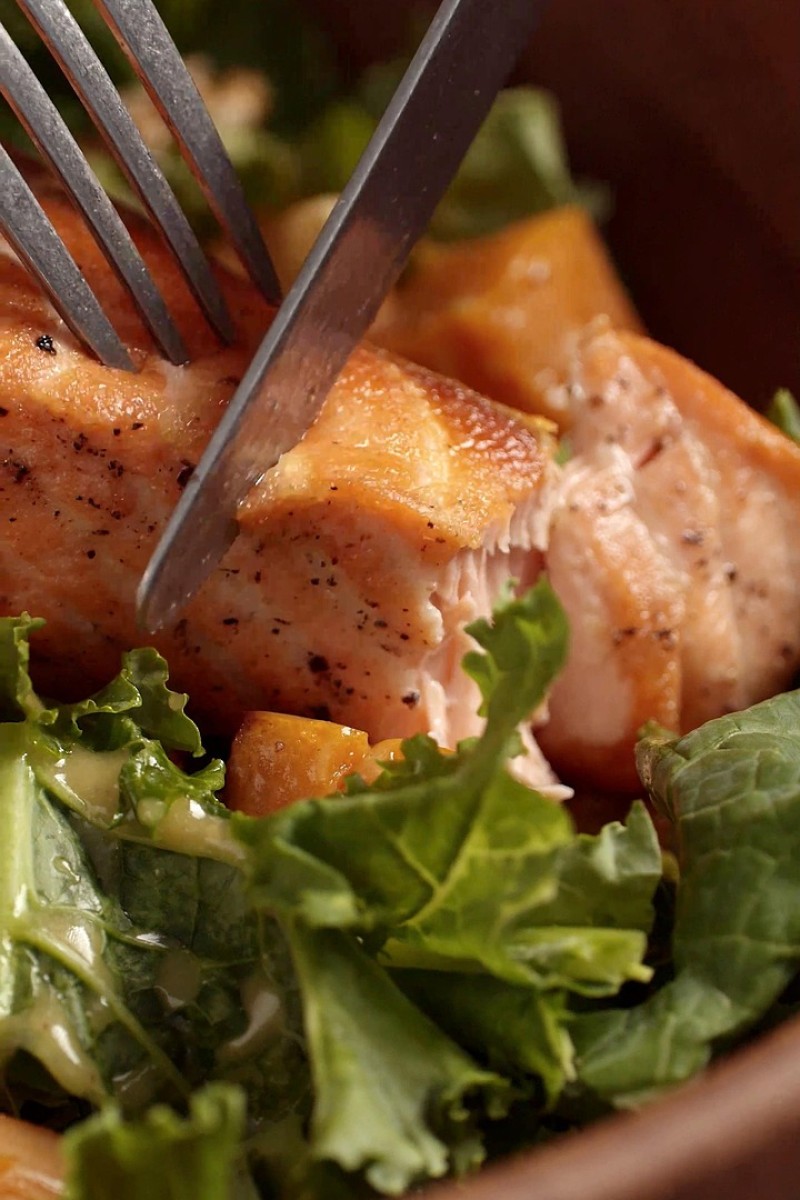
The meal itself doesn't have magic properties. The deficit does. I hear this question a lot, and people seem disappointed when I say there's no secret food list. But that's actually freeing. You're not banned from anything.
How Do I Actually Build a Deficit Meal Without Being Miserable?
Start with volume. Foods with high water and fiber content — vegetables, soups, berries, lean proteins — fill you up for fewer calories. A friend of mine lost 20 pounds just by swapping her lunch sandwich for a big bowl of broth-based soup with chicken. Same fullness, way fewer calories.
Then add protein. Aim for a palm-sized portion at every meal. Protein keeps you satisfied longer than carbs or fat do. After that, add carbs and fats to taste, keeping portions moderate. That's basically the whole formula: volume first, protein second, carbs and fats last.
Sounds simple, right? It is. Simple isn't the same as easy, though.
Wait, Does That Mean I Can Never Eat Pasta Again?
No. And this myth needs to die. Pasta isn't the enemy — portions are. A standard restaurant pasta plate can hit 1,200 calories. A home-cooked 1-cup serving with lean meat and veggies lands around 400-500.
Here's the thing that surprised me: people who keep their favorite foods in rotation tend to stick with deficits longer. Restriction backfires. If you love bread, budget for bread. Just measure it instead of eyeballing half a loaf.
What's the Protein Number I Should Actually Aim For?
Roughly 0.7 to 1 gram per pound of body weight if you're active. For a 160-pound person, that's about 110-160 grams daily. Sounds like a lot, I know.
Spread it across meals — 25-40 grams per sitting works well for most people. Greek yogurt, eggs, chicken, tofu, cottage cheese, lentils. These add up faster than you'd think. Protein also has a higher thermic effect, meaning your body burns more calories digesting it. Small bonus, but real.
Do I Have to Count Every Single Calorie?
Not forever, no. But tracking for two or three weeks teaches you portion sizes fast. Most people are shocked at what a "small" handful of nuts actually costs — around 200 calories for a modest palmful.

After that, many people switch to a looser system: protein at every meal, veggies at every meal, carbs measured, fats kept small. That's enough for plenty of folks. Precision matters more at the start; intuition works better once you've built the skill.
Why Am I Always Hungry on a Deficit?
When hunger hits between planned meals, reaching for proven low calorie snacks (like air-popped popcorn, seasoned cucumber rounds, or high-protein Greek yogurt) can keep you satisfied without wrecking your daily deficit.
Three usual suspects. First, not enough protein. Second, not enough fiber — vegetables and whole grains keep hunger quieter. Third, you cut calories too aggressively. A 500-calorie daily deficit is reasonable. A 1,000-calorie crash diet will leave you ravenous and grumpy.
Also, thirst masquerades as hunger. Drink water before reaching for a snack. And check your sleep — poor sleep spikes hunger hormones, and I'm not 100% sure most people realize how big that effect is.
Are 'Negative Calorie' Foods a Real Thing?
Not really. Celery and cucumber don't burn more calories than they contain — that's a myth. What's true is they're extremely low-calorie and high-volume, so they help you feel full. That's the practical benefit, not some metabolic trick.
Can I Lose Fat Eating Only Three Meals a Day?
Yes. Meal frequency barely matters for fat loss. Three solid meals, two meals, six small ones — pick whichever keeps you consistent. Some people do better with fewer, larger meals because each one feels satisfying. Others need frequent small meals to avoid binges.
Test both for a couple weeks. Your schedule and appetite will tell you more than any study will.
What About Meal Prep — Is It Worth the Effort?
For most busy people, yes. Not because prepped food is healthier, but because decisions get made in advance. When you're tired at 7 p.m., the default is takeout. A prepped container of rice, chicken, and roasted vegetables wins by default.
You don't need to prep all 21 weekly meals. Batch-cook two proteins and two carb sources on Sunday. That covers most of the week with minimal effort.
How Fast Should I Expect Results?
A safe, sustainable pace is about 1-2 pounds per week. Faster than that usually means muscle loss and misery. The scale also lies day to day — water weight, sodium, and hormones cause swings of several pounds.
Track weekly averages instead of daily numbers. And take photos. The mirror often shows progress the scale hides. Stick with the deficit, keep protein high, and give it eight weeks before judging results.