The Mat Meltdown That Almost Broke Me

You know how sometimes you roll out a mat, put on those cute little grip socks, and think, 'Okay, I've got this'—and then the instructor says 'just roll down' and you basically fold like a cheap lawn chair? Yeah. That was me, last Tuesday, in my living room, questioning every life choice that led me there.
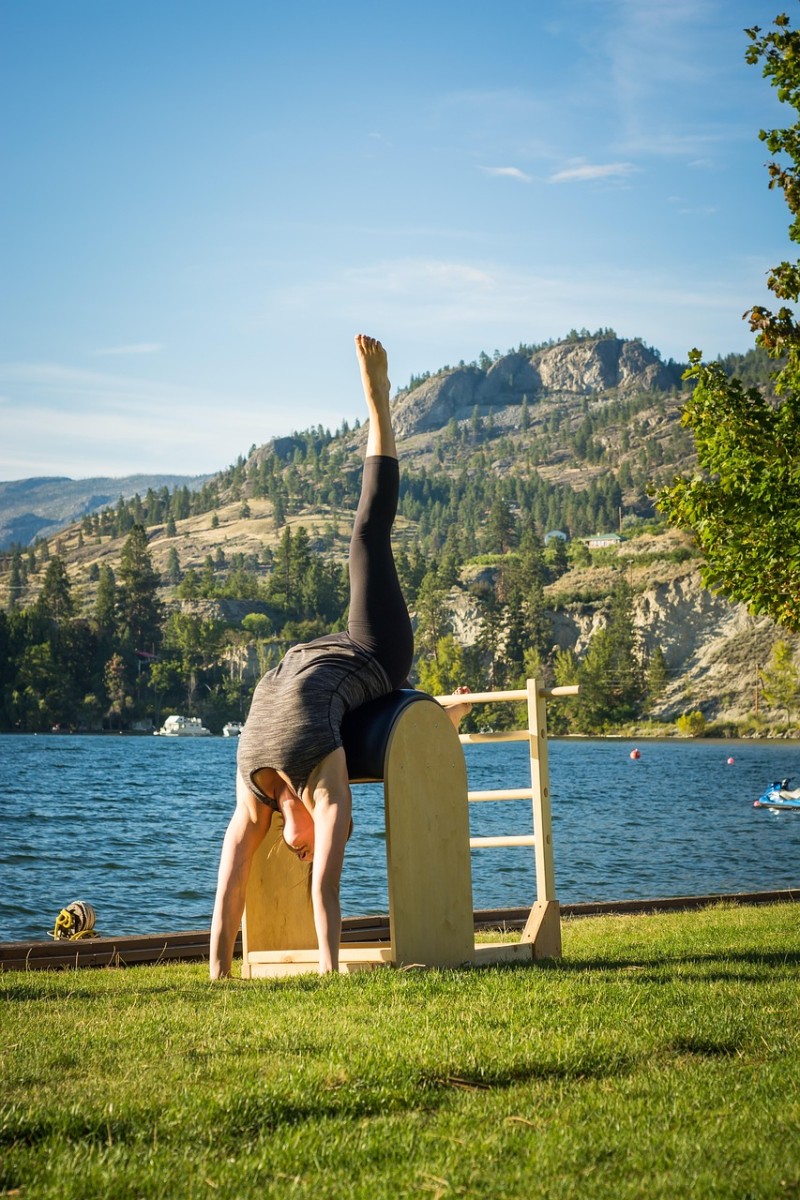
Beginner Pilates - 7 Best Beginner Pilates That Actually Work (Illustration 1)

I remember texting my best friend: 'I think I broke my spine.' She replied with a laughing emoji and 'Welcome to Pilates.' Not gonna lie, I almost quit before I started.

But here's the thing—beginner Pilates isn't about being good at it. It's about showing up and being kinda bad at it until you're not. And honestly? That's the whole gig.

The 'I'm Not Flexible Enough' Excuse

Okay, so here's the deal. I used to think Pilates was for dancers and people who can touch their toes without grunting. I couldn't even reach my shins. So I put it off for, oh, three years.

Plot twist: beginner Pilates is literally designed for people who can't touch their toes. It's not a prerequisite—it's the starting line.

My first class, I couldn't do a roll-up to save my life. I just kinda wiggled. But the instructor (bless her patient soul) said, 'That's your starting point. Own it.' So I did. And you know what? Two weeks later, I could do three roll-ups. Three! It felt like winning the Olympics.

So if you've been waiting until you're 'flexible enough' to start—stop it. You're already enough. You just need to begin.

The 3 P.M. Energy Slump Solution

Here's a scenario for you: it's 3 p.m., you've been sitting at your desk for six hours, your lower back is screaming, and your brain is basically a screensaver. Sound familiar?

I used to reach for coffee (or, let's be honest, a cookie). Now I do a five-minute Pilates reset. Nothing fancy—just some spine twists and a few leg lifts. But it's like hitting refresh on my entire body.

🔥 Special Offer — Don't Miss Out Today!

👉 Check Lowest Price & Deals →

I'm not 100% sure of the science, but from what I've seen, moving your spine in different directions wakes up your nervous system. And that midday slump? It doesn't stand a chance.

Try it. Five minutes. That's it. You'll thank me later.

What Actually Works (and What's a Total Waste of Time)

Not gonna lie—there's a lot of fluff out there. Fancy equipment, $200 leggings, 'miracle' moves that promise a six-pack in a week. Let's separate the real from the ridiculous.
Beginner Pilates - 7 Best Beginner Pilates That Actually Work (Infographic)

What works: Consistency. Ten minutes a day beats one hour a week. Every time. Also, the basics—the hundred, roll-ups, leg circles, spine stretch. They're classics for a reason.

What's a waste: Waiting for the 'perfect' time. Buying all the gear before you've done a single class. Comparing yourself to that one person on Instagram who does advanced teasers with a smile.

Here's the thing—beginner Pilates is about you and your mat. That's it. No fancy equipment needed (though a cushion for your head is nice). No pressure. Just you, breathing, and moving.

The Grocery Aisle Revelation (Yes, Really)

So a friend of mine—let's call her Jess—started Pilates because she wanted 'abs.' She quit after two weeks because she didn't see a six-pack. Then she had a revelation in the grocery aisle: her back didn't hurt anymore when she lifted heavy bags. That was her win.

Pilates isn't about quick fixes. It's about the little everyday things—bending down to tie your shoes without groaning, carrying groceries without feeling like your spine is going to snap, sitting at your desk without wanting to cry.

Those are the real victories. And they happen way faster than you'd think.

Your First Week: A Realistic Scenario Breakdown

Okay, so you're thinking about starting. Here's what your first week might actually look like (no sugarcoating):

ScenarioWhat HappensWhat to Do
Day 1: First classYou feel awkward, confused, and maybe a little sore.Keep going. Everyone feels that way. Focus on breathing.
Day 3: The soreness hitsMuscles you didn't know existed are screaming.Gentle stretching. A warm bath. It gets better.
Day 5: The 'I can't do this' momentYou compare yourself to others and feel like quitting.Remember why you started. Progress is slow, but real.
Day 7: The tiny winYou do one more rep than last time. Or you just feel better.Celebrate it. Seriously. That's the whole point.

See? Not so scary. The first week is the hardest. After that, it's just habit.

The Unexpected Lesson About Progress

You know what surprised me most about beginner Pilates? It wasn't the physical changes (though those are nice). It was the mental shift.

I stopped comparing myself to others. I started listening to my body. I learned that 'progress' isn't always visible—sometimes it's just feeling less stiff when you get out of bed.

And that's the thing. Pilates isn't a race. It's a practice. Some days you'll nail it. Some days you'll flop. Both are fine.

So if you're on the fence about starting—just do it. Roll out that mat (or a towel, honestly). Put on a YouTube video. Do five minutes. That's it.

You don't have to be perfect. You just have to begin. And I promise, your future self—the one who can carry groceries without wincing—will thank you.

🎯 Exclusive Reader Discount Available Now!

✨ Visit Official Website for Special Deal →
✍️ Researched & Written By

Dr. Sarah Mitchell, MS, RD

Registered Dietitian (RD)MS in Clinical NutritionEvidence-Based Wellness

Dr. Sarah Mitchell is a senior clinical nutrition researcher specializing in metabolic health, longevity protocols, and preventive lifestyle medicine. She translates clinical trials into accessible, actionable guidance for millions of readers.

🛡️ Clinical Fact-Check: Medically reviewed by the HealthHub Medical Advisory Board.Learn more about our Editorial Standards & Review Process.

Frequently Asked Questions

QWhat is beginner Pilates and how is it different from regular Pilates?
Beginner Pilates is an introductory level of the Pilates method designed for those new to the practice. It focuses on foundational movements, proper breathing, and core activation, with slower-paced exercises and modifications to build confidence and body awareness. Unlike regular Pilates, which may include advanced flows and complex sequences, beginner Pilates emphasizes mastering the basics: neutral spine, rib cage placement, and scapular stability. Classes typically use minimal equipment (mat, rings, bands) and avoid high-impact or inverted poses. The goal is to develop strength, flexibility, and control gradually, reducing injury risk. Many studios offer dedicated beginner courses or label classes by level, so you can progress safely as your skills improve.
QHow do I start practicing Pilates as a complete beginner?
Start by choosing a reputable beginner mat class or online program that covers fundamentals. Begin with 10–15 minute sessions two to three times per week, focusing on breath and form rather than speed or repetitions. Learn the five basic principles: breathing, concentration, control, centering, and precision. Use a mat and perhaps a resistance band; avoid equipment like the reformer until you have guidance. Consider a few private sessions or a beginner workshop to learn modifications and ensure proper alignment. Watch instructional videos to familiarize yourself with cues. Progress gradually: master basic exercises like the hundred, roll-up, and leg circles before adding complexity. Listen to your body, and never push through pain. Consistency over intensity is key for beginners.
QWhat precautions should beginners take before starting Pilates?
Consult a healthcare provider if you have injuries, chronic conditions, or are pregnant. Inform your instructor about any limitations so they can offer modifications. Avoid Pilates if you have acute back pain, herniated discs, or recent surgery without medical clearance. Begin with gentle exercises and focus on proper form to prevent strain. Warm up before each session and cool down after. Use a mat for cushioning, and avoid slippery clothing. Stay hydrated and avoid practicing on a full stomach. If you feel sharp pain, dizziness, or shortness of breath, stop immediately. Beginners should avoid advanced moves like teasers or swan dives until they build strength and flexibility. Always prioritize quality over quantity, and progress at your own pace.
QWhat are common mistakes beginners make in Pilates and how can I avoid them?
Common mistakes include using momentum instead of controlled movement, holding your breath, and neglecting core engagement. Beginners often arch the lower back during leg lifts or strain the neck during abdominal exercises. To avoid these, focus on slow, deliberate movements and coordinate breath with each action—inhale to prepare, exhale to execute. Keep the rib cage connected and avoid flaring the ribs. Use a mirror or record yourself to check alignment. Don't compare yourself to others; Pilates is about personal progression. Avoid gripping your glutes or shoulders; instead, aim for balanced muscle recruitment. If an exercise feels too challenging, modify it (e.g., bend knees or reduce range of motion). Finally, don't skip the warm-up or rush through exercises—precision matters more than speed.
QWhat are the best practices for beginners to get the most out of Pilates?
Best practices include consistency, proper form, and listening to your body. Aim for 2–3 sessions per week, even if short, to build muscle memory. Prioritize quality over quantity: perform each exercise with control and precision. Learn the foundational exercises thoroughly before advancing. Use props like a magic circle or band to assist with alignment and feedback. Stay mindful of breath—deep, lateral breathing supports core engagement. Keep sessions balanced: include stretching and mobility work alongside strength. Track your progress in a journal to stay motivated. Choose a qualified instructor who specializes in beginners, and don't hesitate to ask questions. Finally, be patient: Pilates is a skill that develops over time. Celebrate small improvements, and avoid pushing through fatigue or pain to prevent injury.

📚 Recommended Health Guides